We are processing your request.
Please, don’t close or refresh the page.

About the Duomo di Milano: The Cathedral's Story

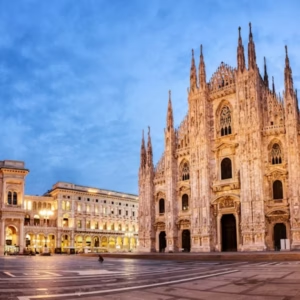
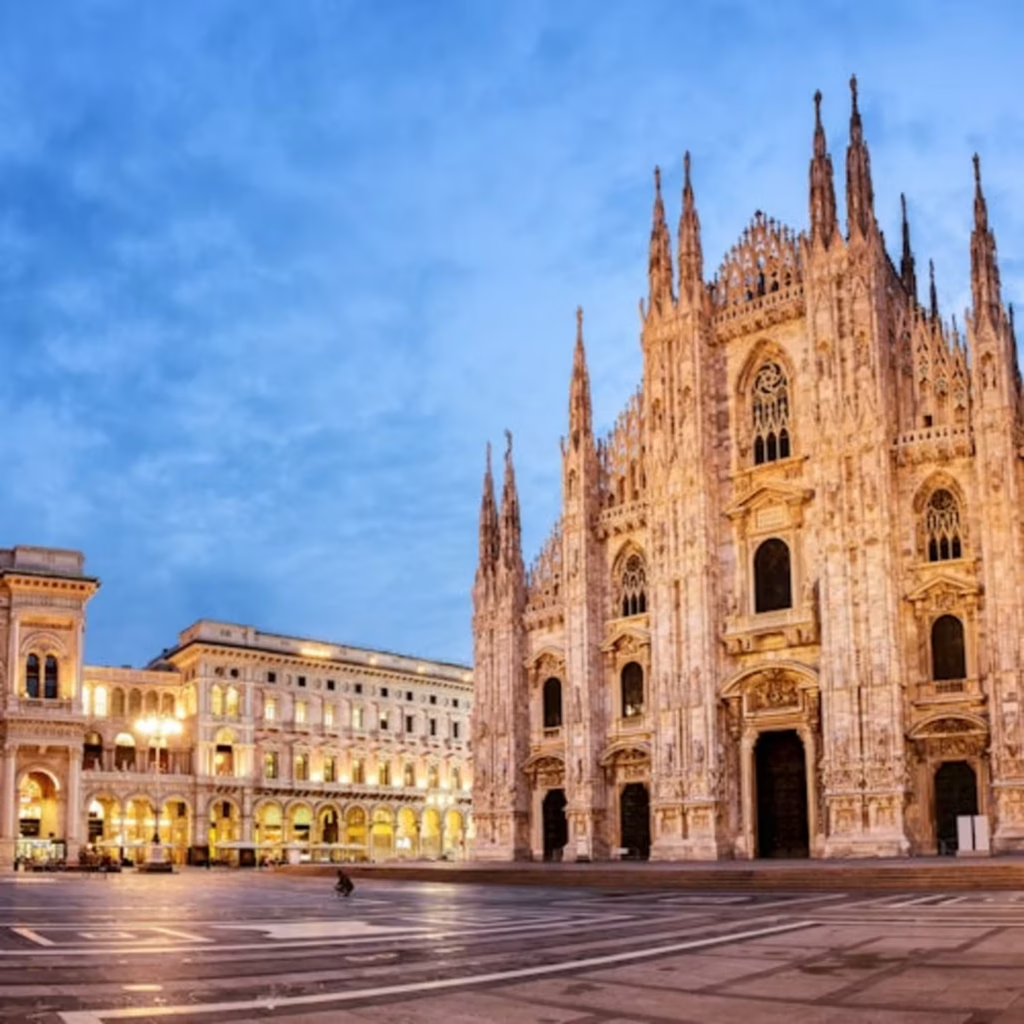
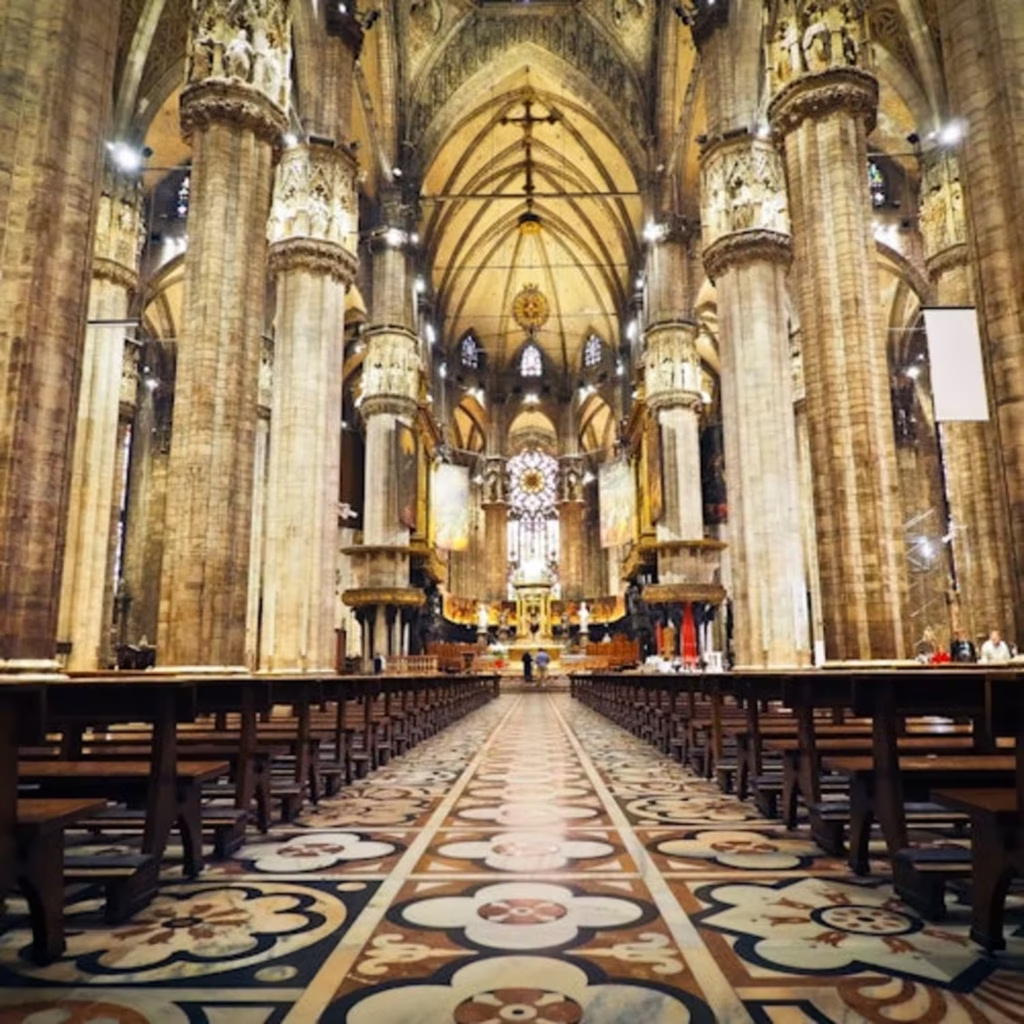
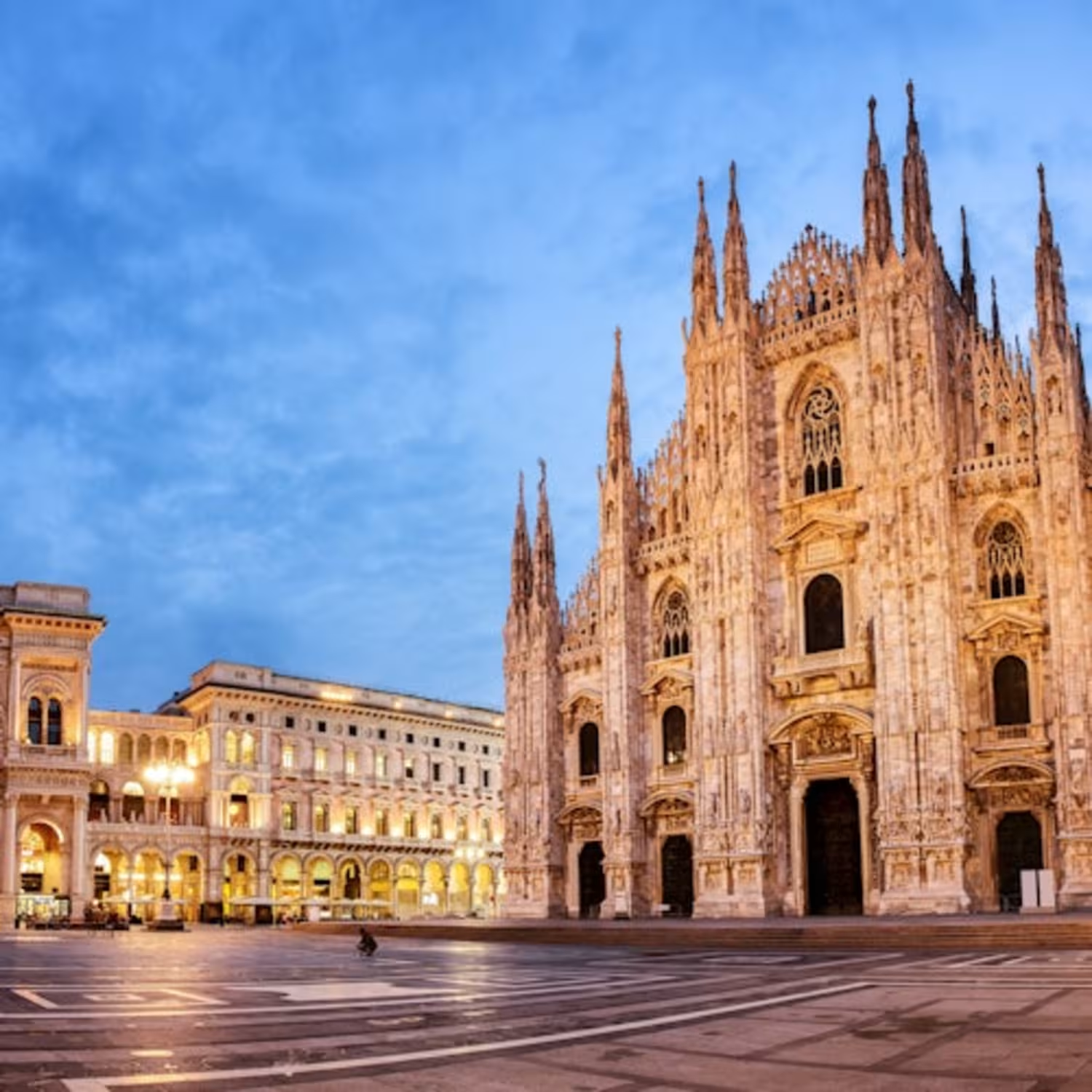
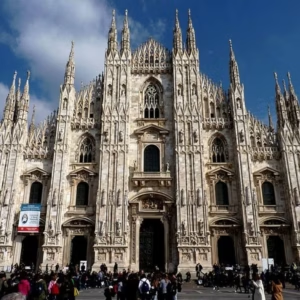
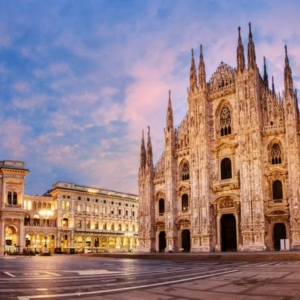
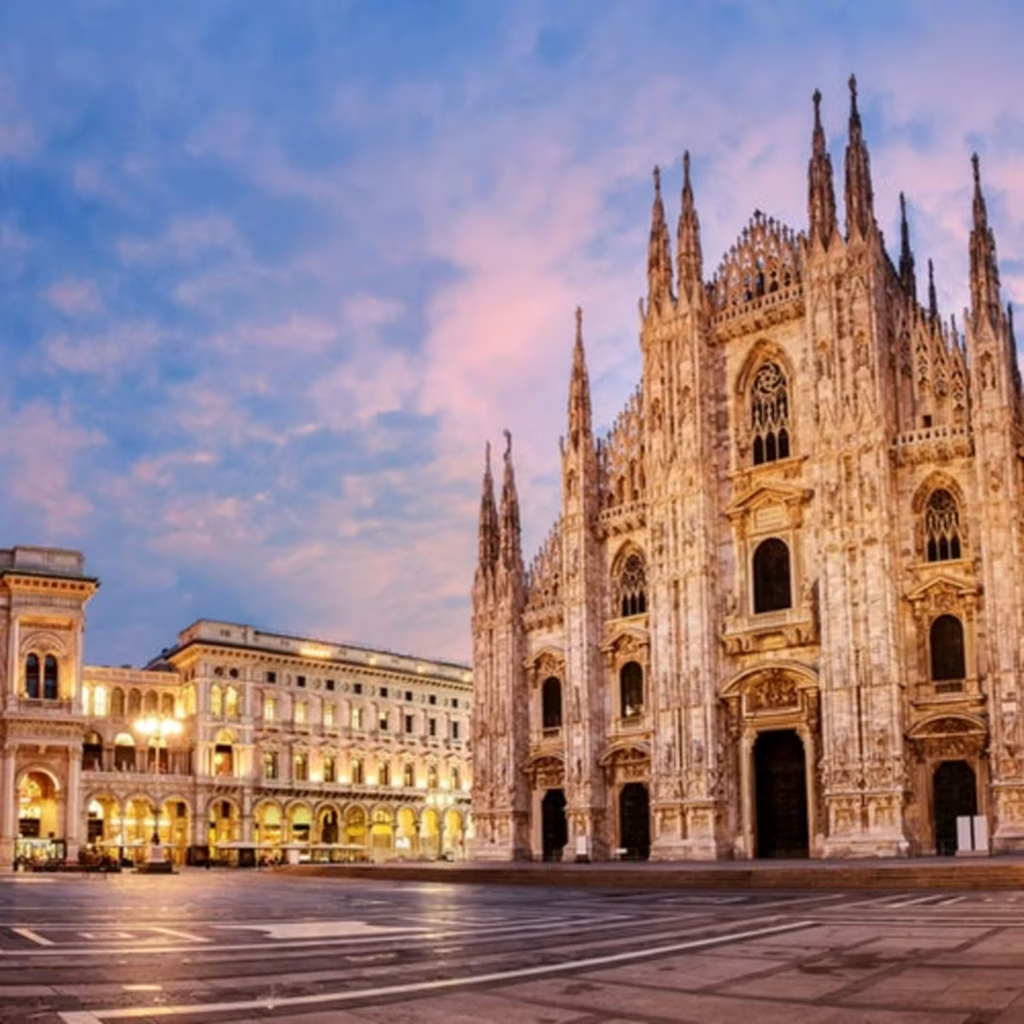
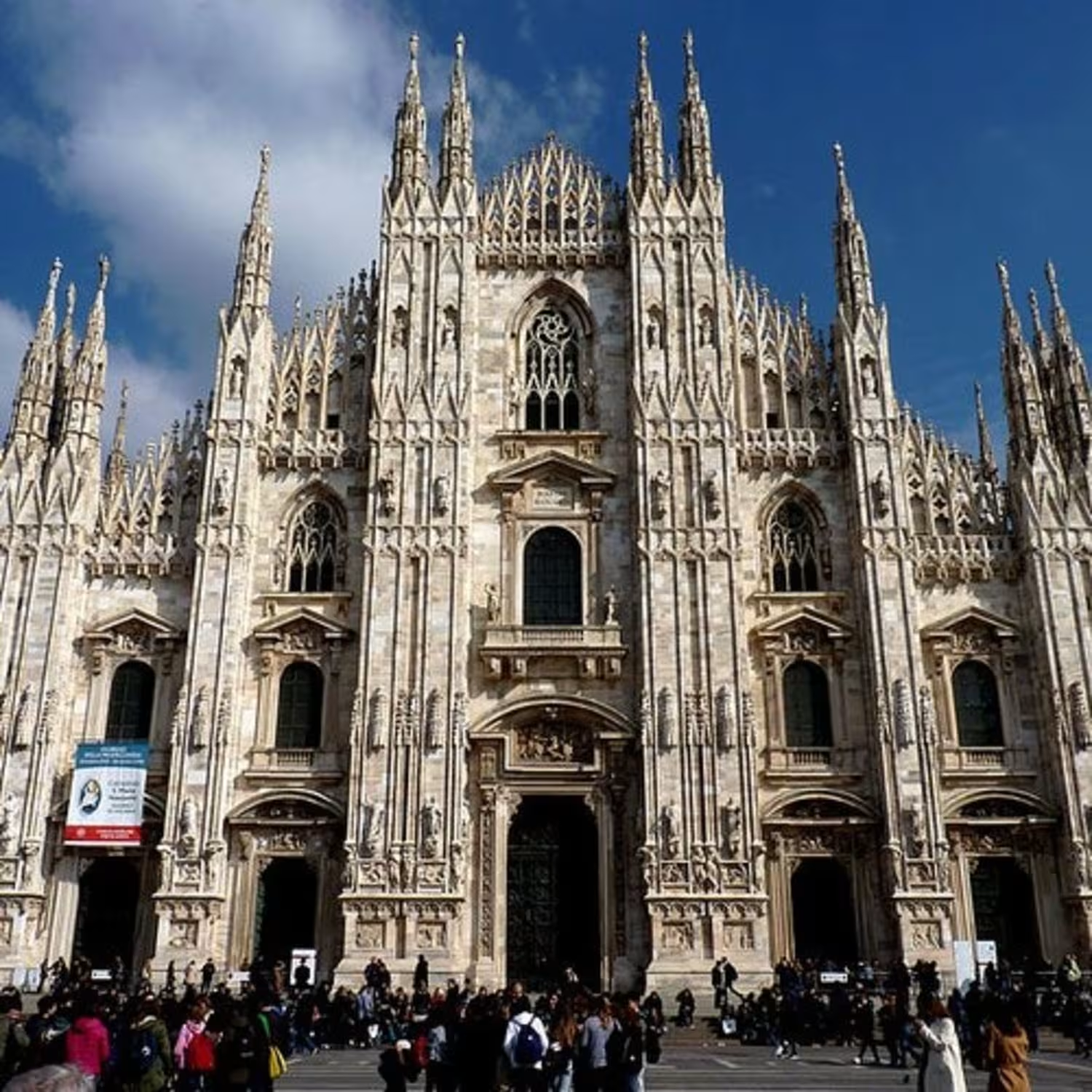
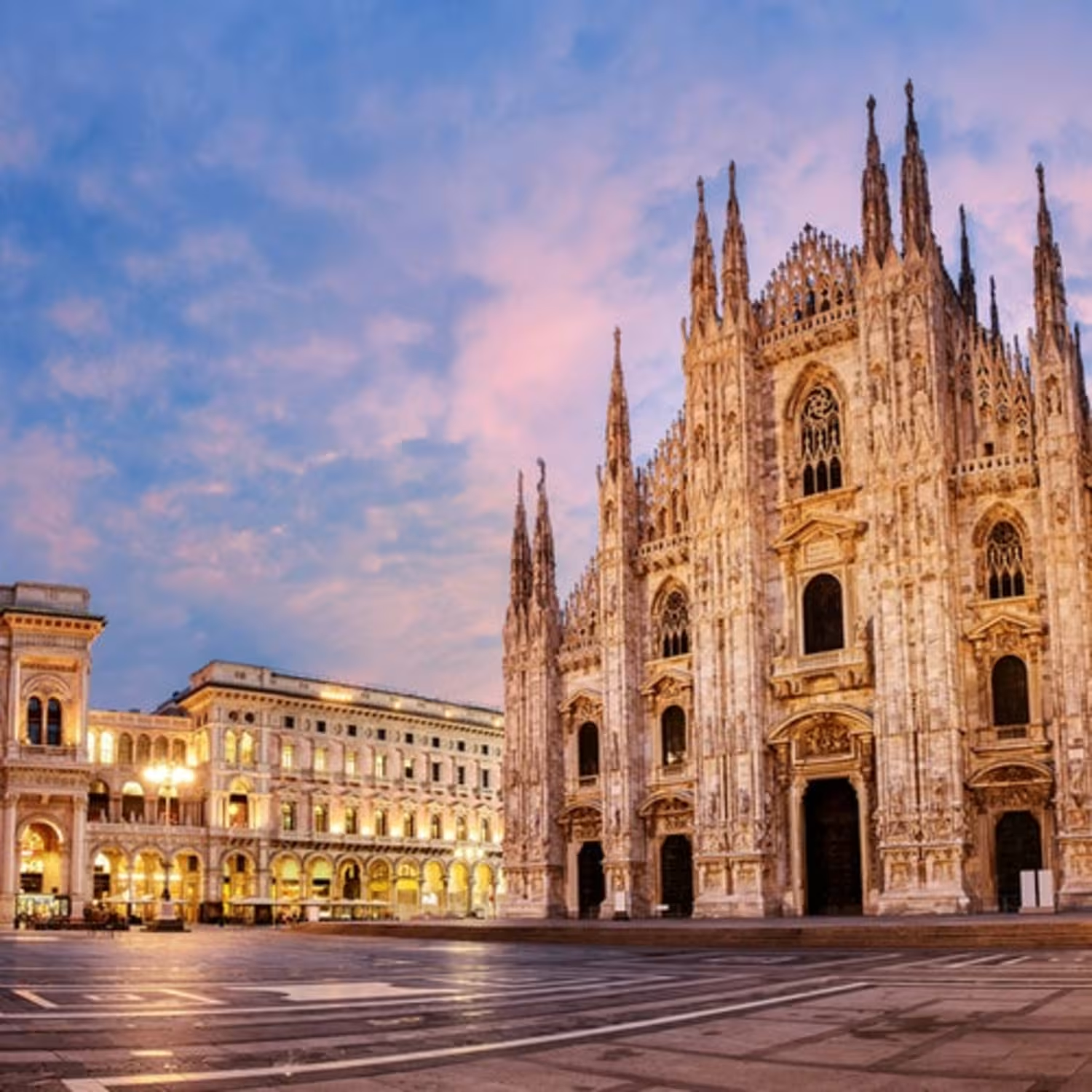
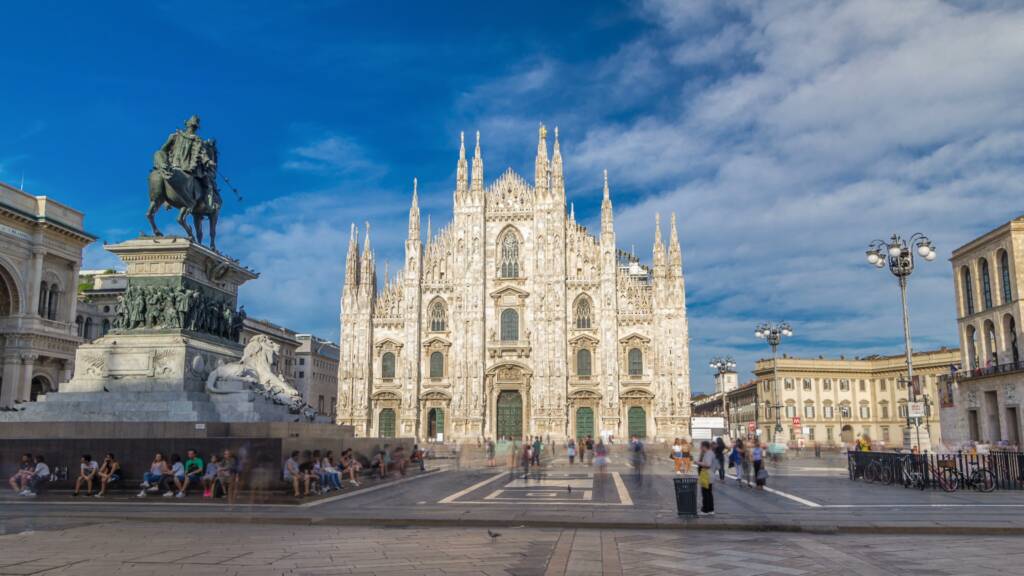
The Duomo di Milano took nearly six centuries to build on historically sacred ground and is still managed by the institution that founded it in 1386. It's a complex, not a single building: a museum, an older church, and a buried baptistery all belong to it. This page is a guide to that history and those components, not a source for practical visitor information like opening times.

Why the Duomo di Milano Is One of the World's Great Cathedrals

The largest church in Italy (St Peter's Basilica is bigger, but stands in the separate state of Vatican City).

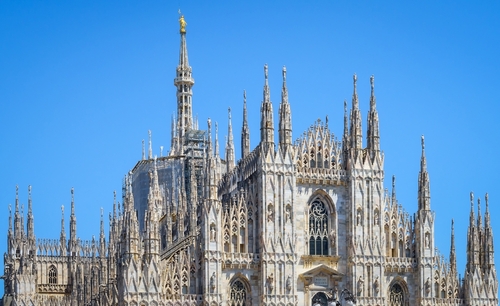
One of the largest Gothic cathedrals in the world by sheer volume.

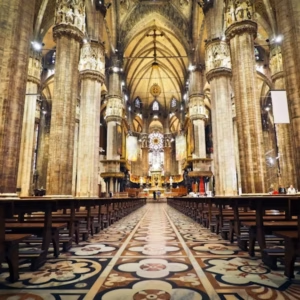
Its vaults rank among the highest ever built in a completed Gothic church.

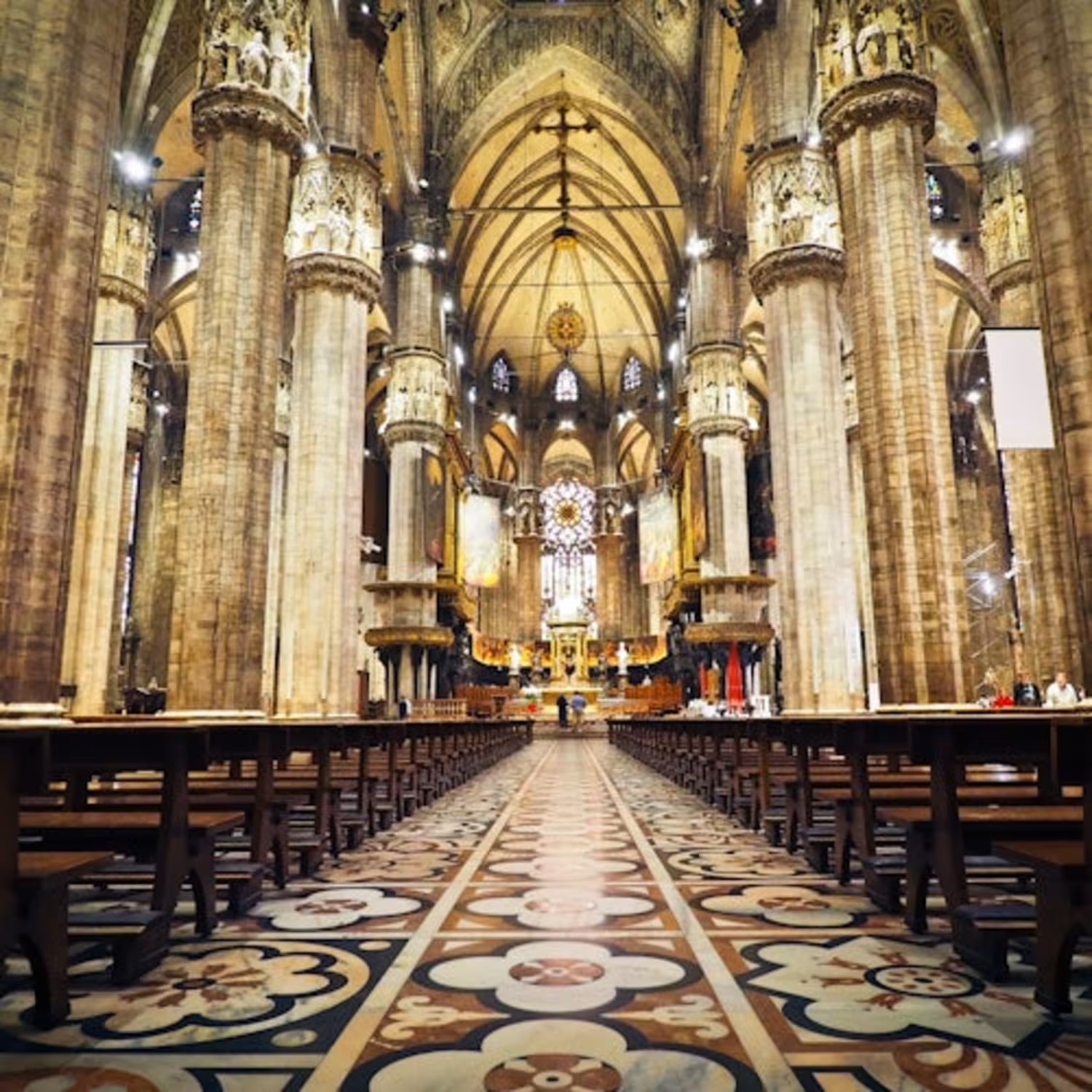
Holds up to 40,000 people inside at once.

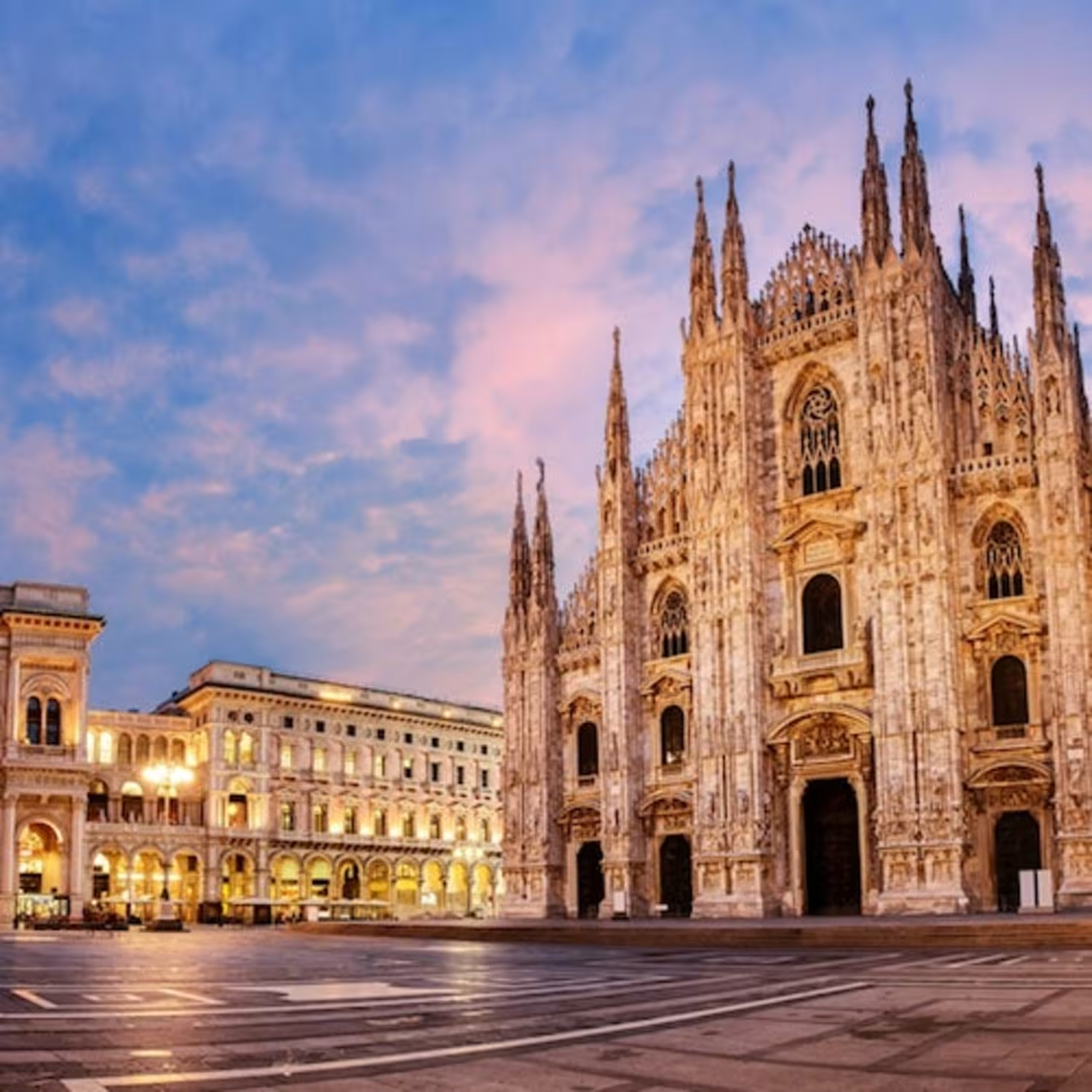
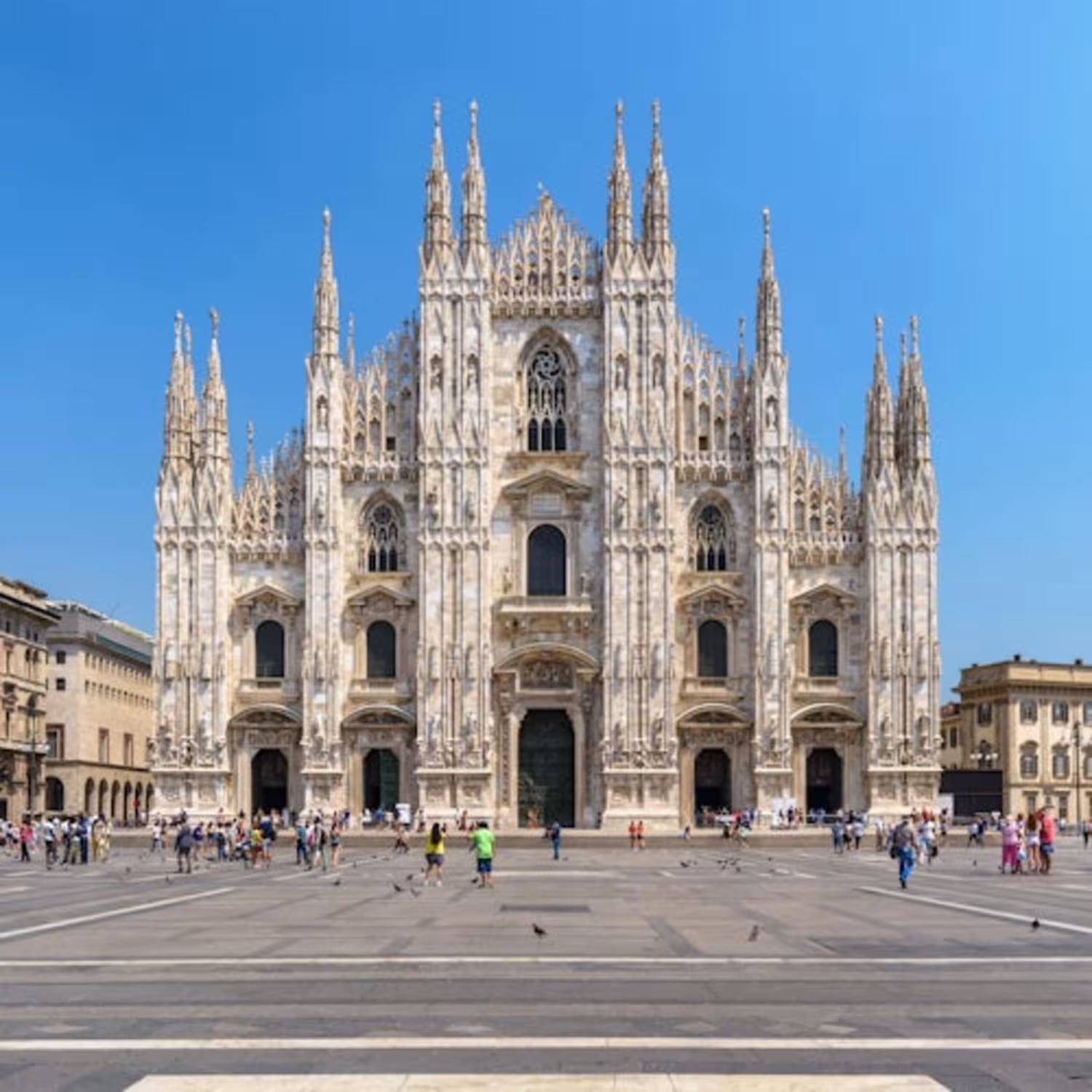
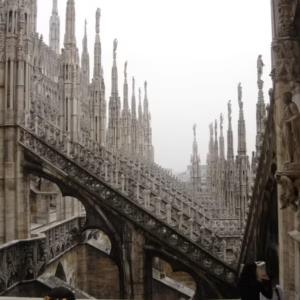
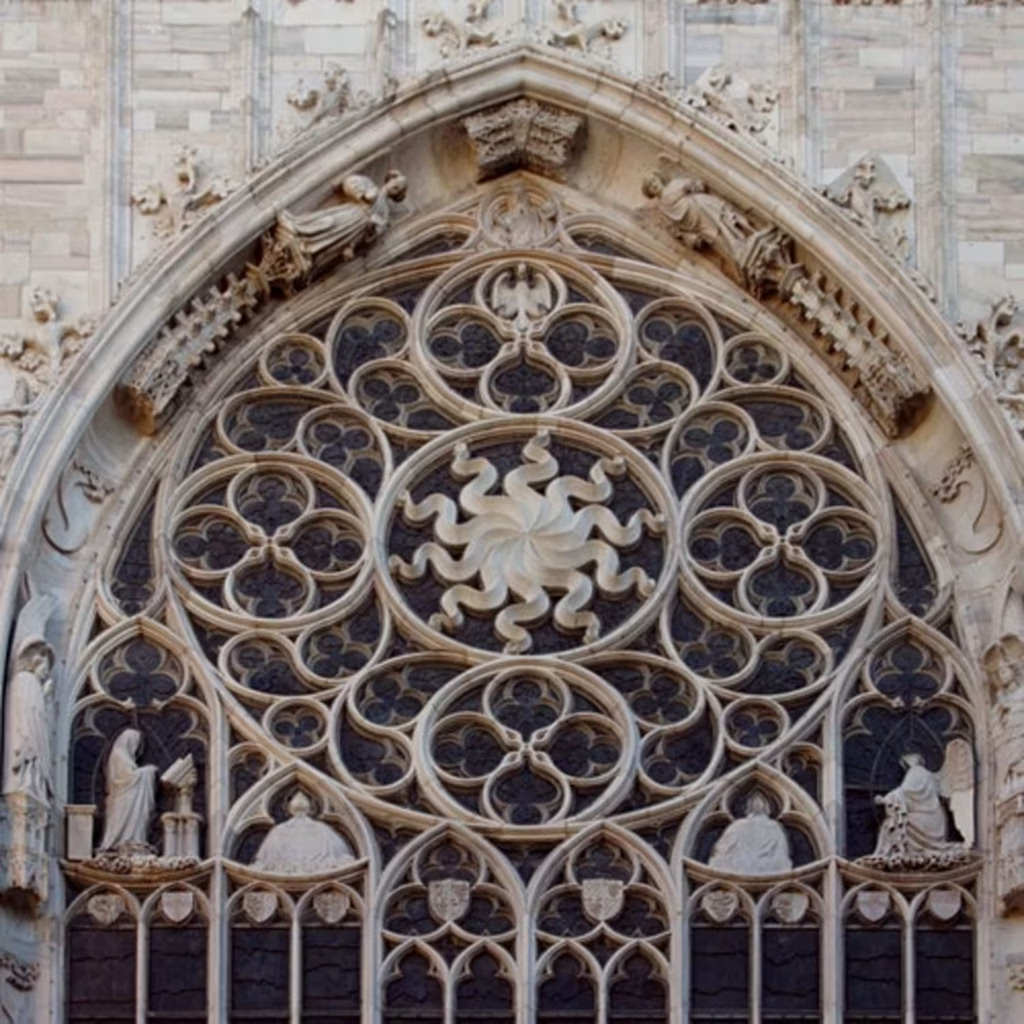
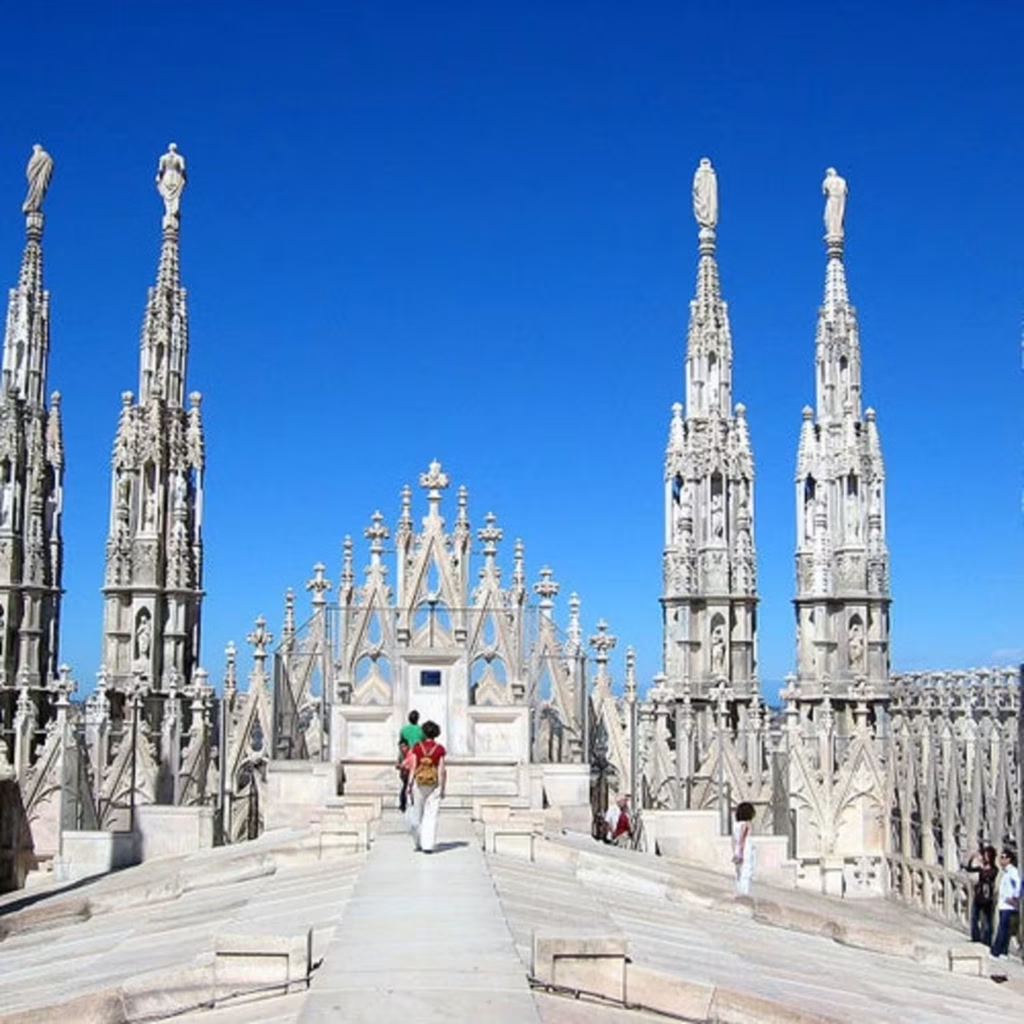
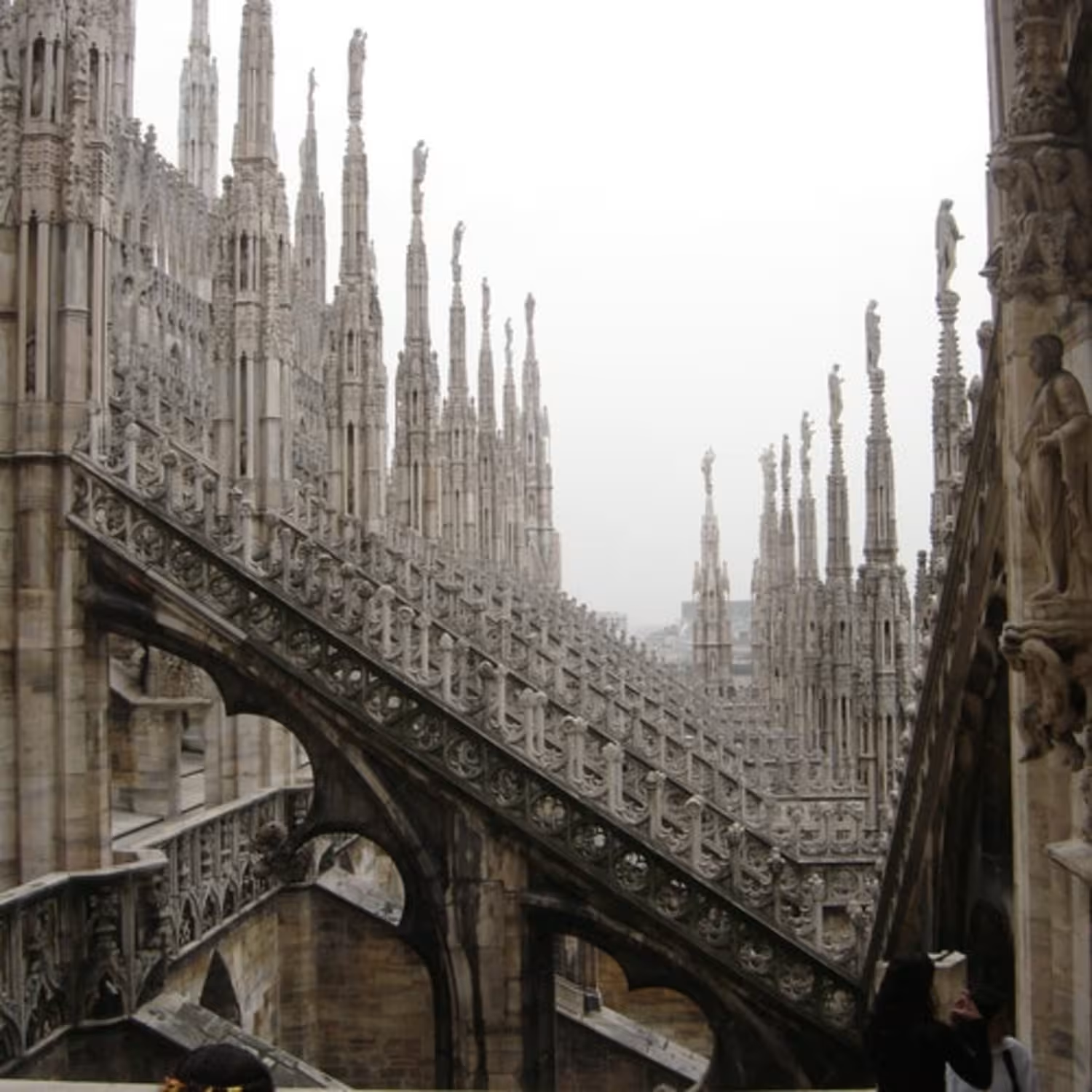
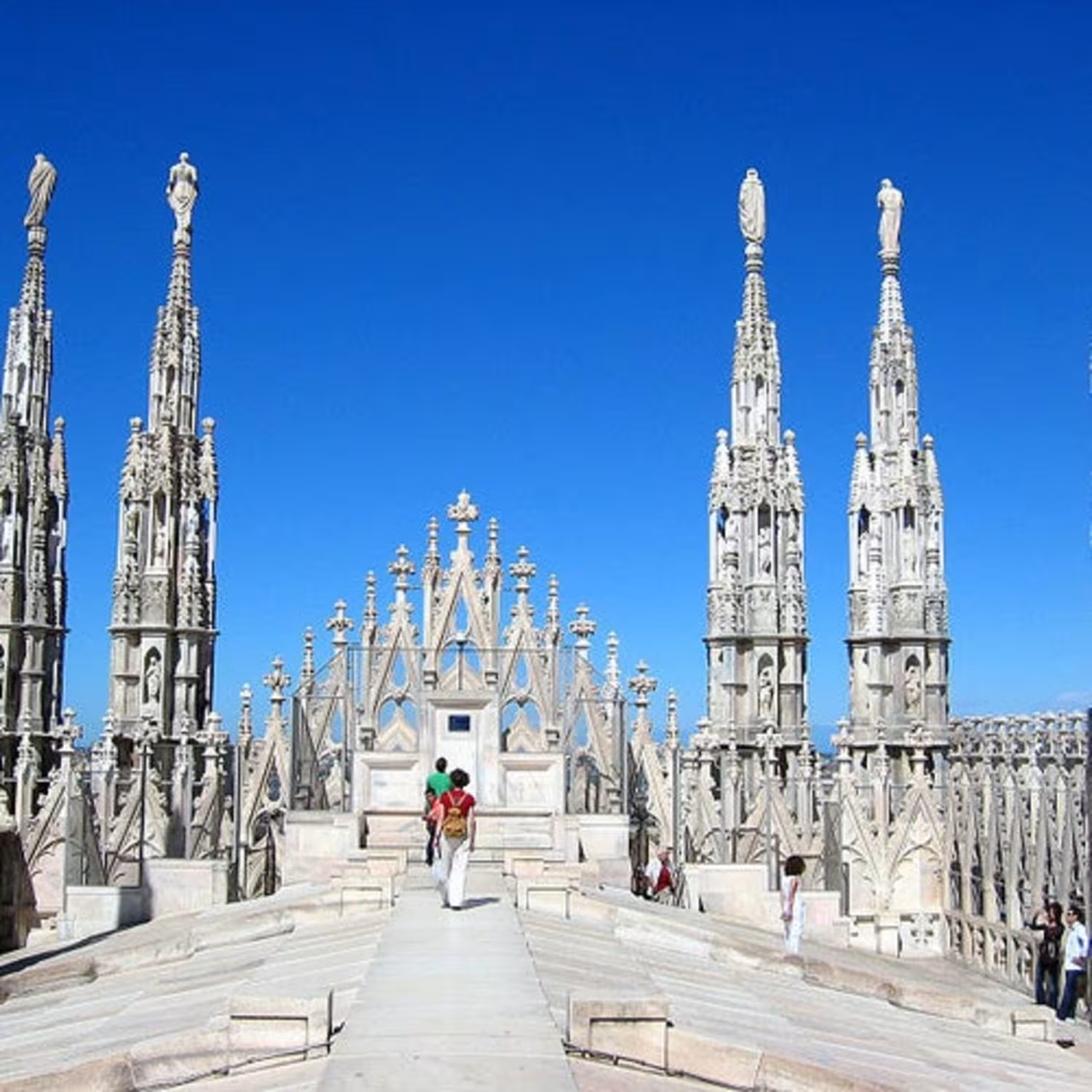
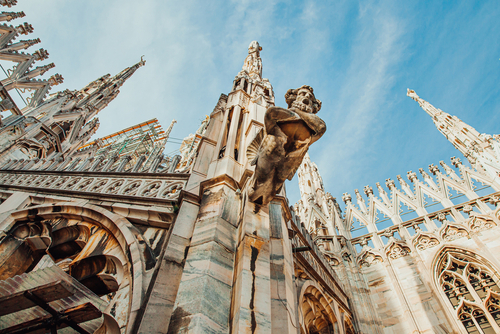
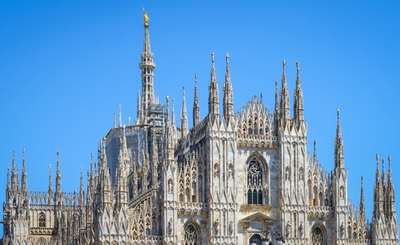
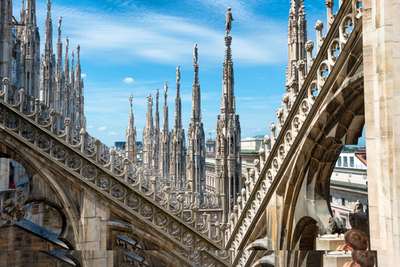
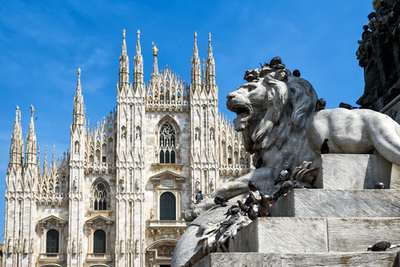
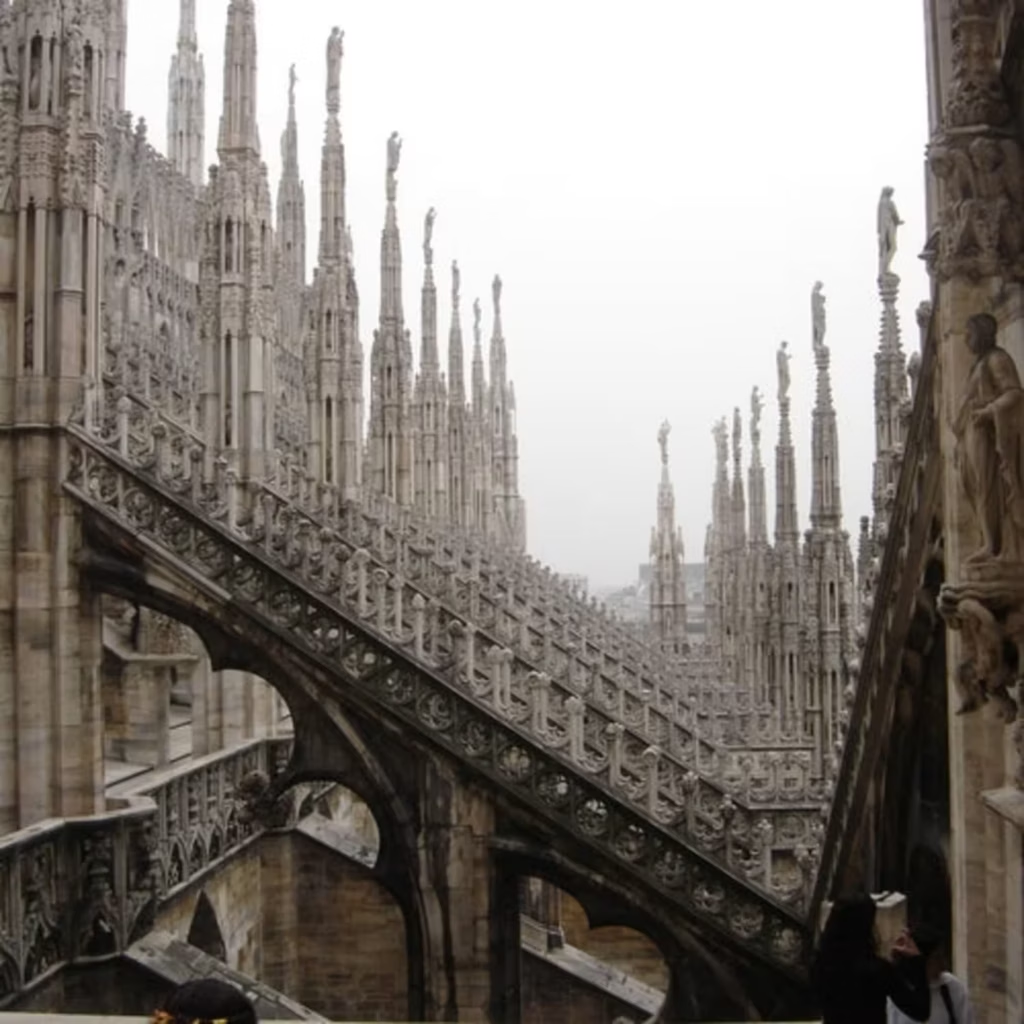
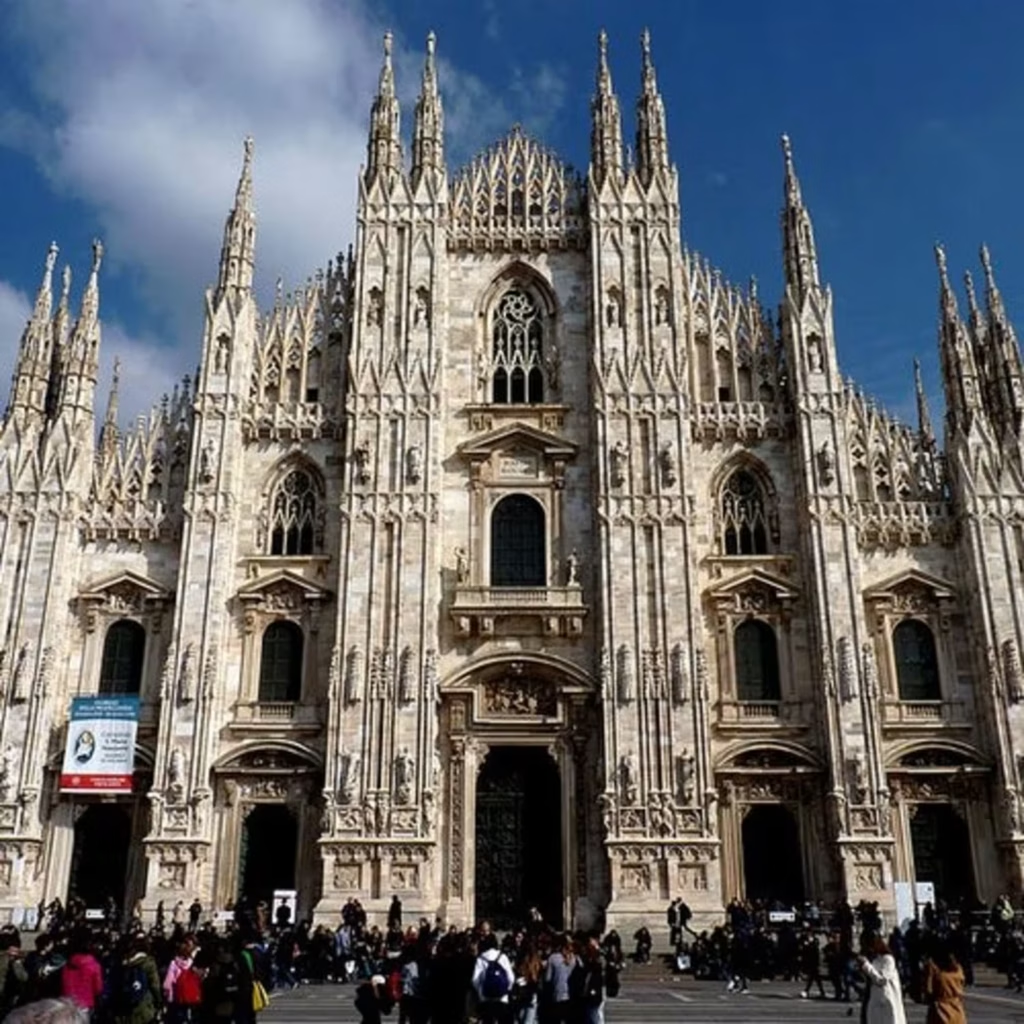
135 spires, more than 3,400 statues, 150 gargoyles and 96 “giants” decorate the exterior, alongside 410 carved corbels built to hold more.

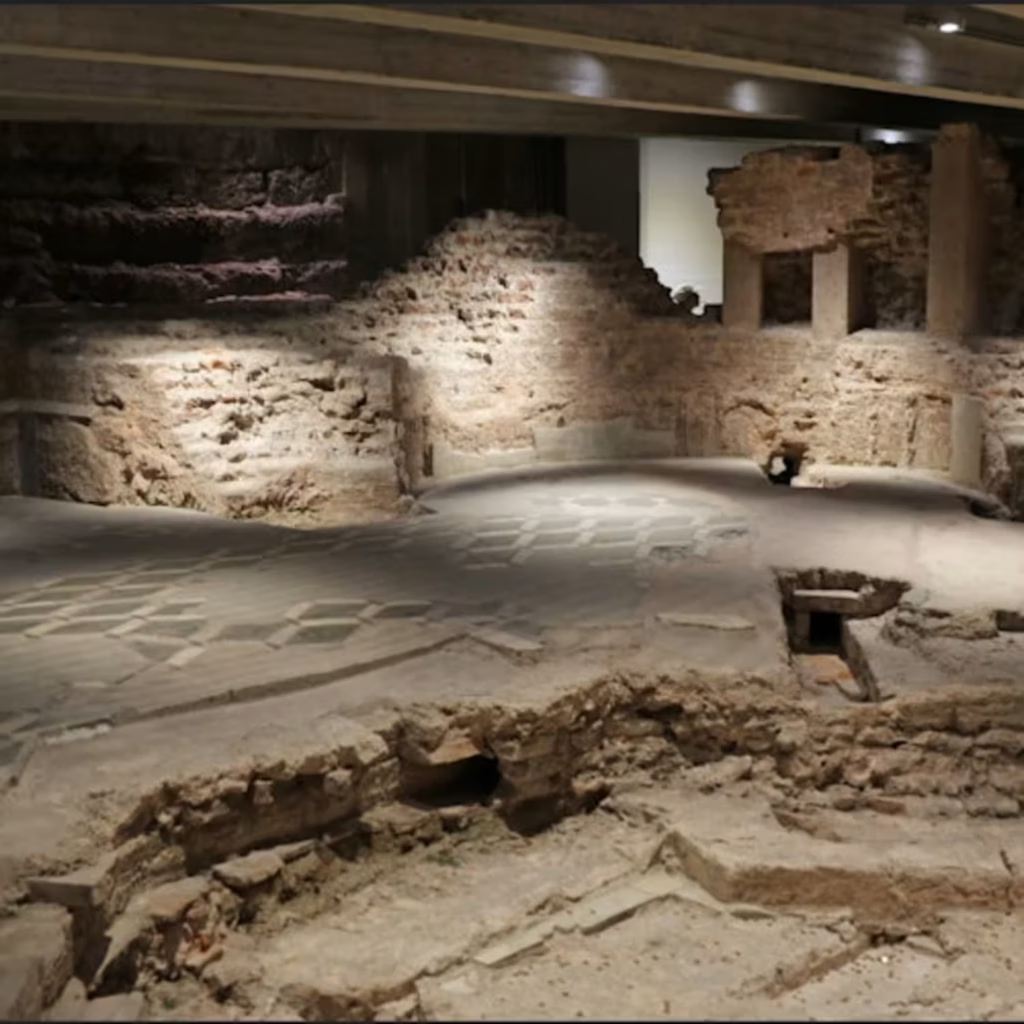
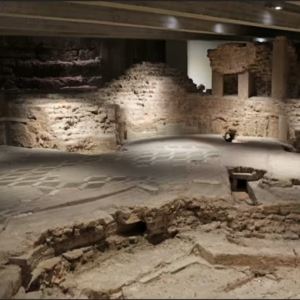
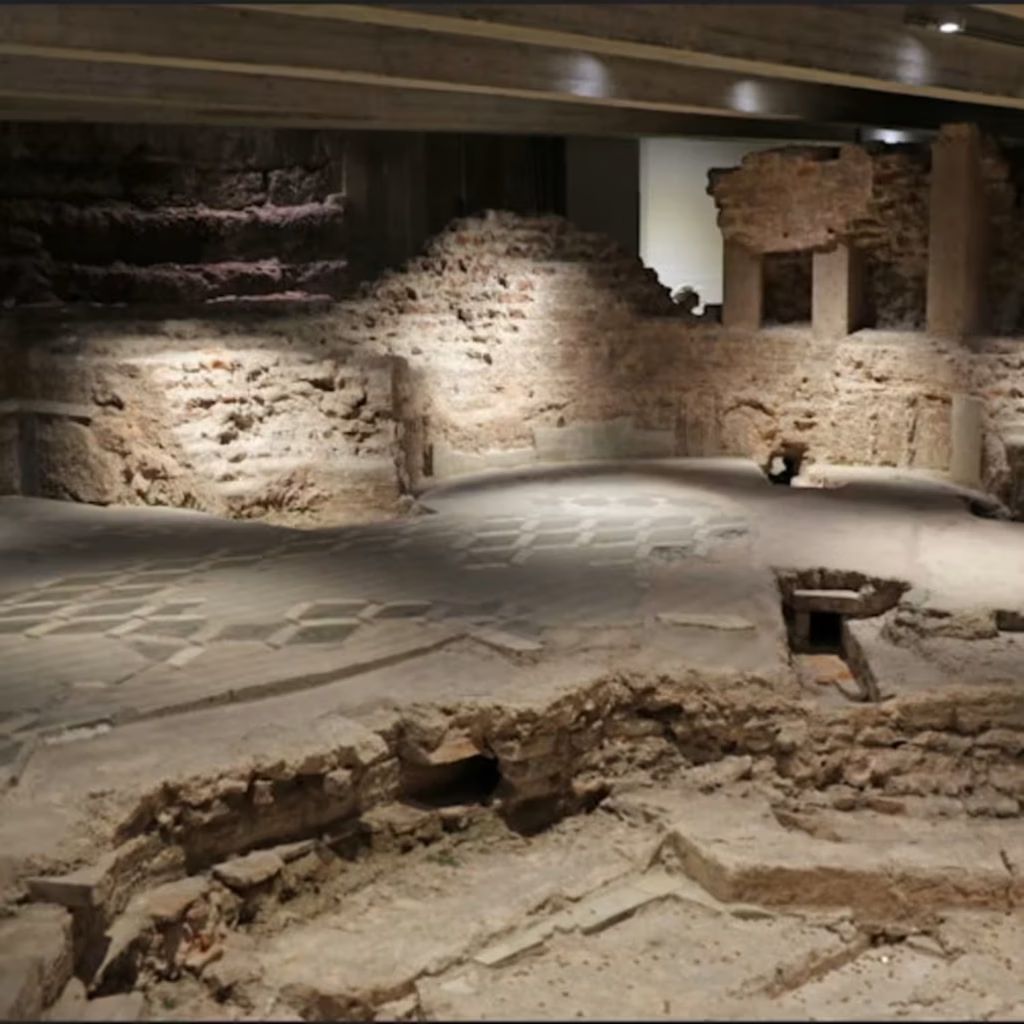
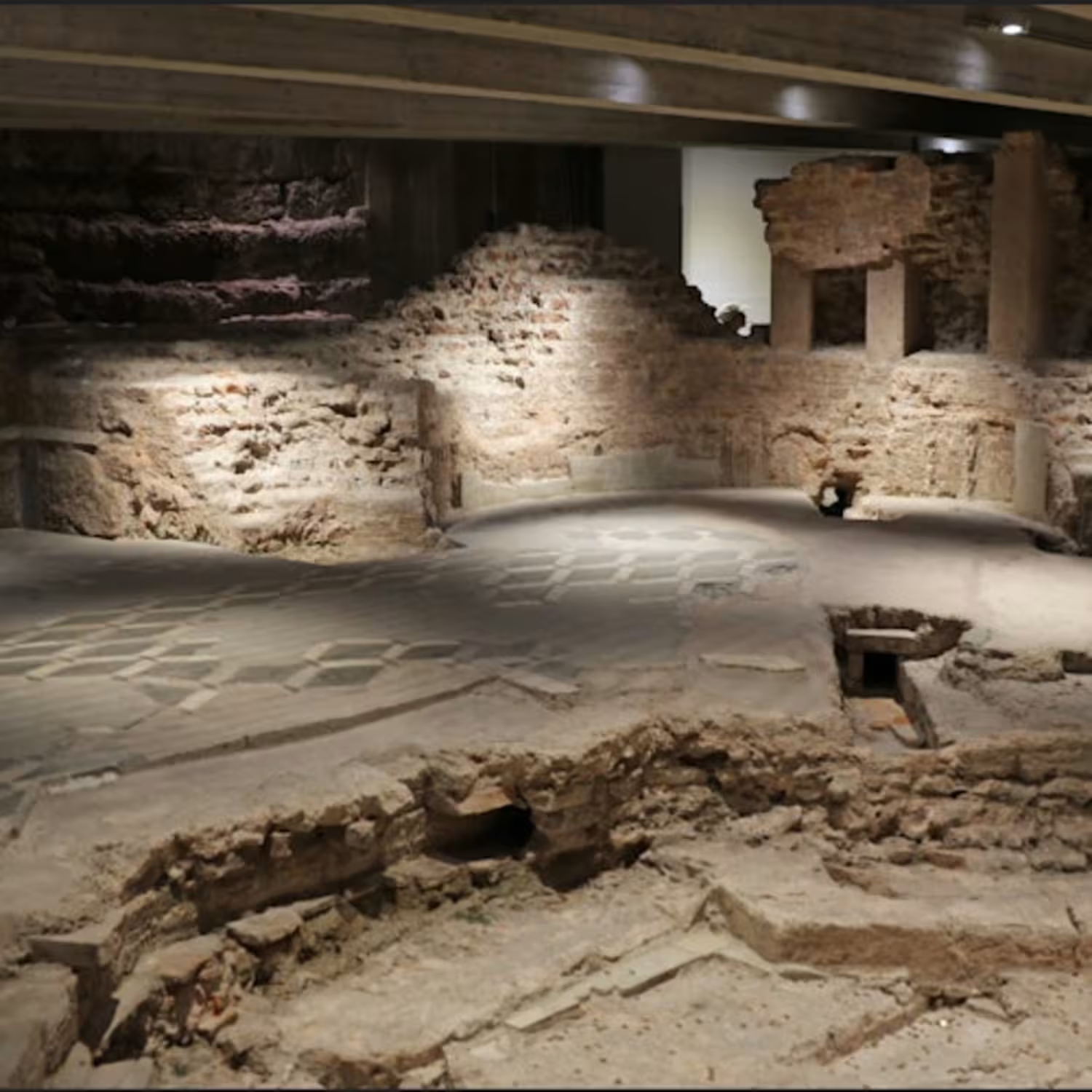
Stands on the site of a Roman-era baptistery and two earlier basilicas, parts of which are over 1,600 years old.

Six Centuries in the Making
Construction began in 1386, commissioned by Duke Gian Galeazzo Visconti and his cousin, Archbishop Antonio da Saluzzo. Visconti didn't live to see much of it rise, since the building was barely half finished when he died in 1402.

Work then stalled for decades, short on both money and direction, and didn't resume in earnest until the 1480s. The façade waited even longer: Napoleon ordered it finished within seven years so he could be crowned King of Italy inside the cathedral in 1805, and the last stone went up by 1812. The very final detail, on the cathedral's northernmost door, wasn't inaugurated until January 1965, closing out just short of six hundred years of work on the same building.

Ready to Visit the Duomo di Milano?

Six centuries of history, a museum's worth of original statues, and a ceremony that hasn't missed a year in five centuries. All of that is still just a preamble to actually walking through the cathedral yourself. Whichever part of the story pulled you in, from the Nivola to the baptistery beneath the piazza, the real thing is a few minutes away.

Browse tickets for the cathedral, terraces and museum, or get a fuller sense of what to expect once you arrive on Plan Your Visit.
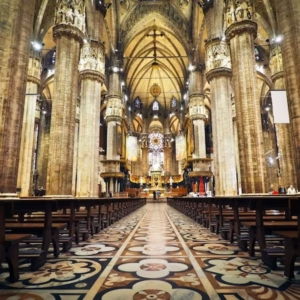
Duomo di Milano e Museo: Admission Ticket

Highlights

Experience the grandeur of Europe’s largest Gothic cathedral.

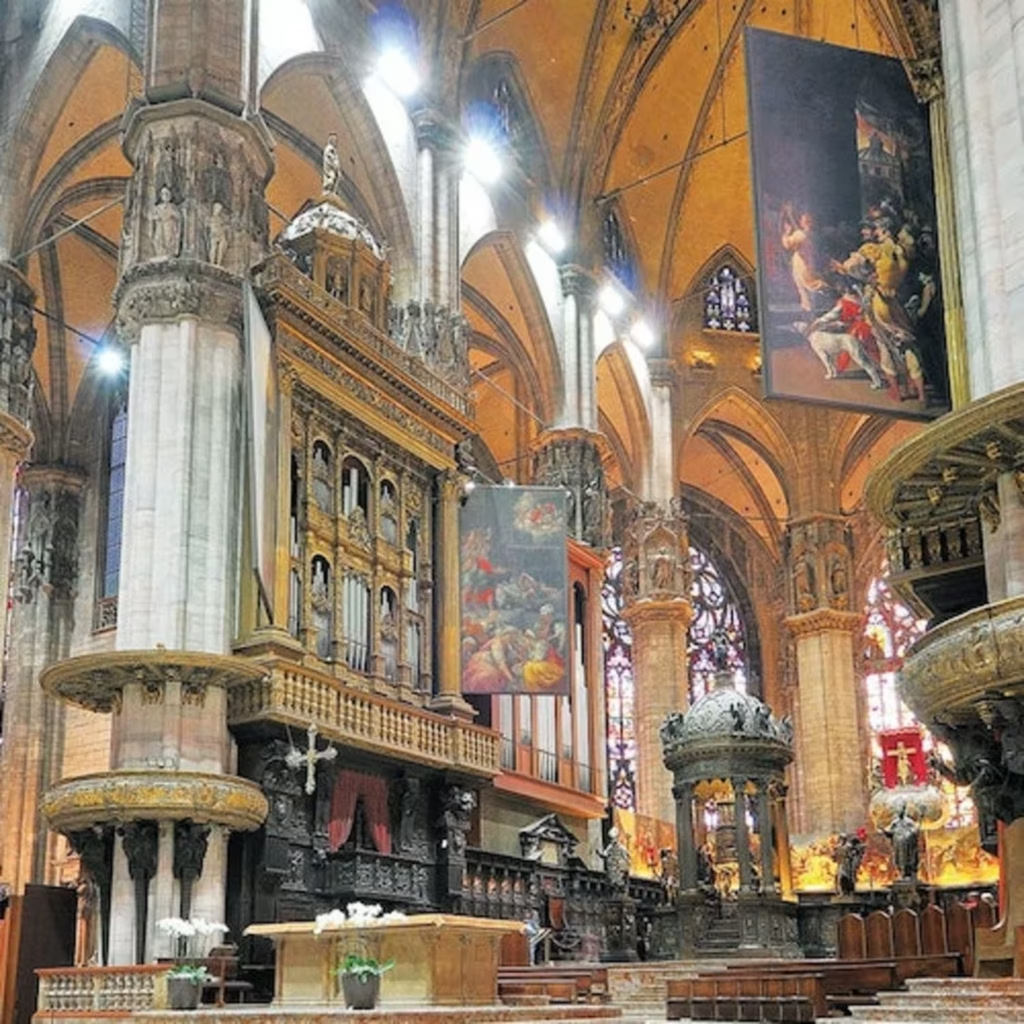
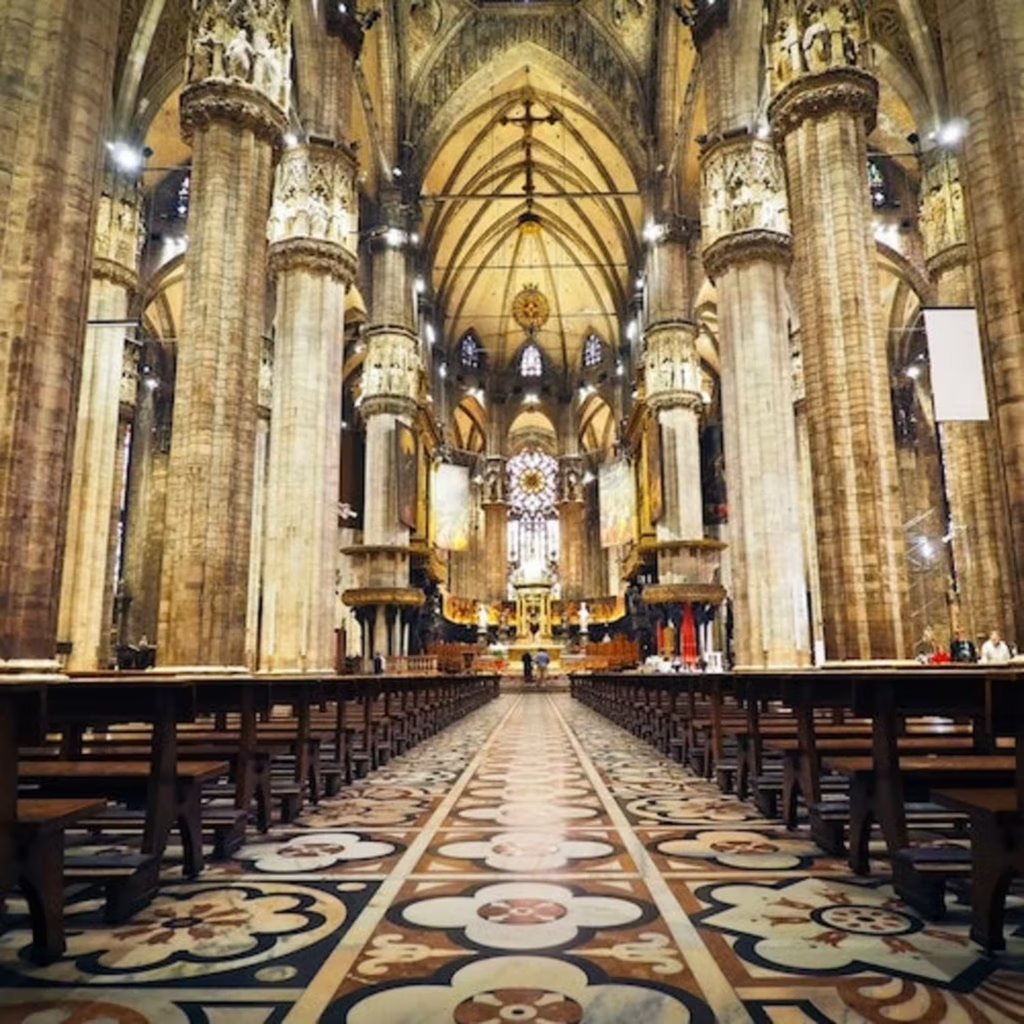
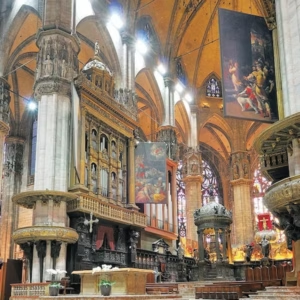
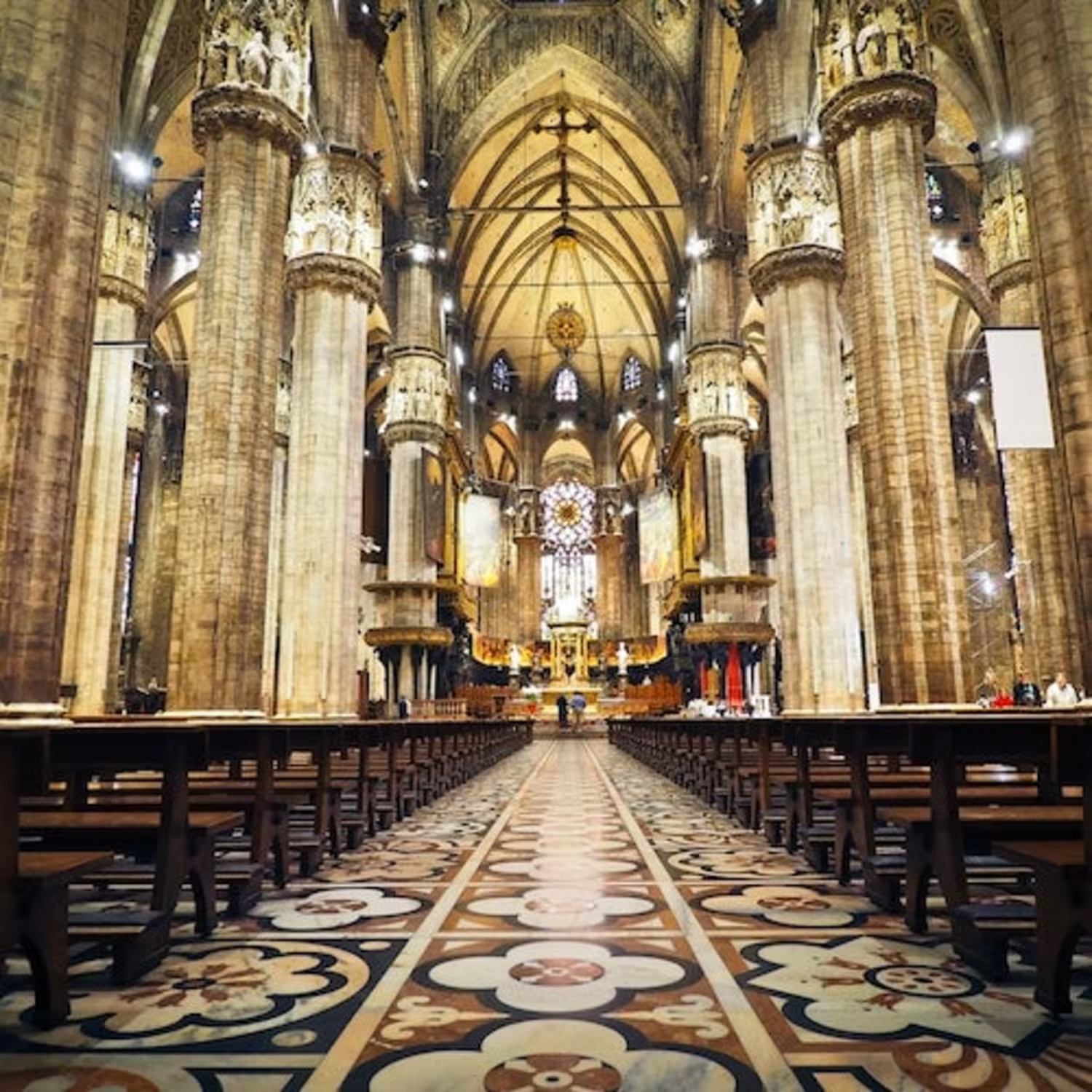
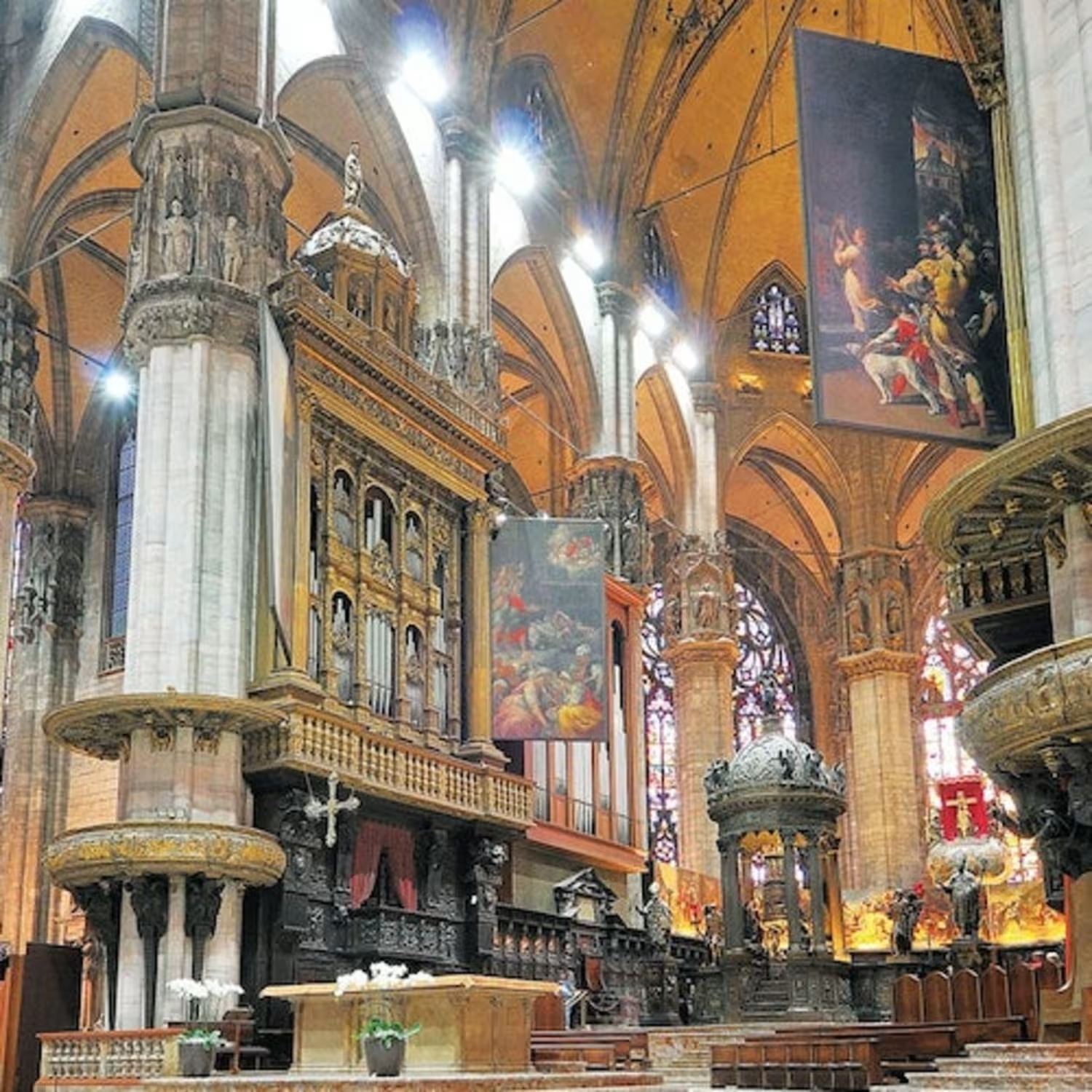
Discover the intricate details of the church’s interior.

Visit the Duomo Museum and learn about its fascinating history.

Explore the historic Church of San Gottardo in Corte nearby.

Enjoy this cultural highlight located in the heart of Milan.
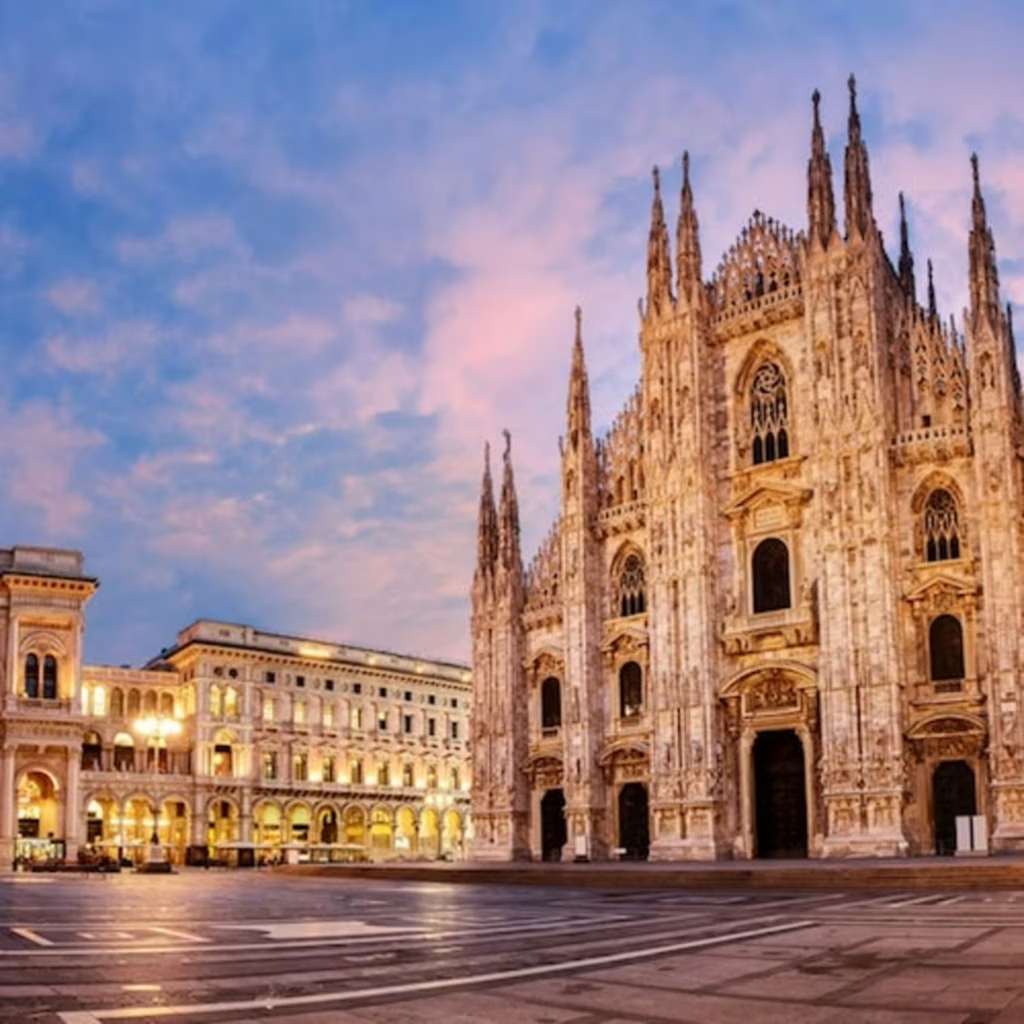
Duomo di Milano: Entry ticket + Archaeological area

Highlights

Discover the stunning Gothic architecture of the Duomo di Milano.

Explore the exhibits at the Duomo Museum.

Visit the fascinating archaeological area beneath the cathedral.

Enter the historic Church of San Gottardo in Corte.
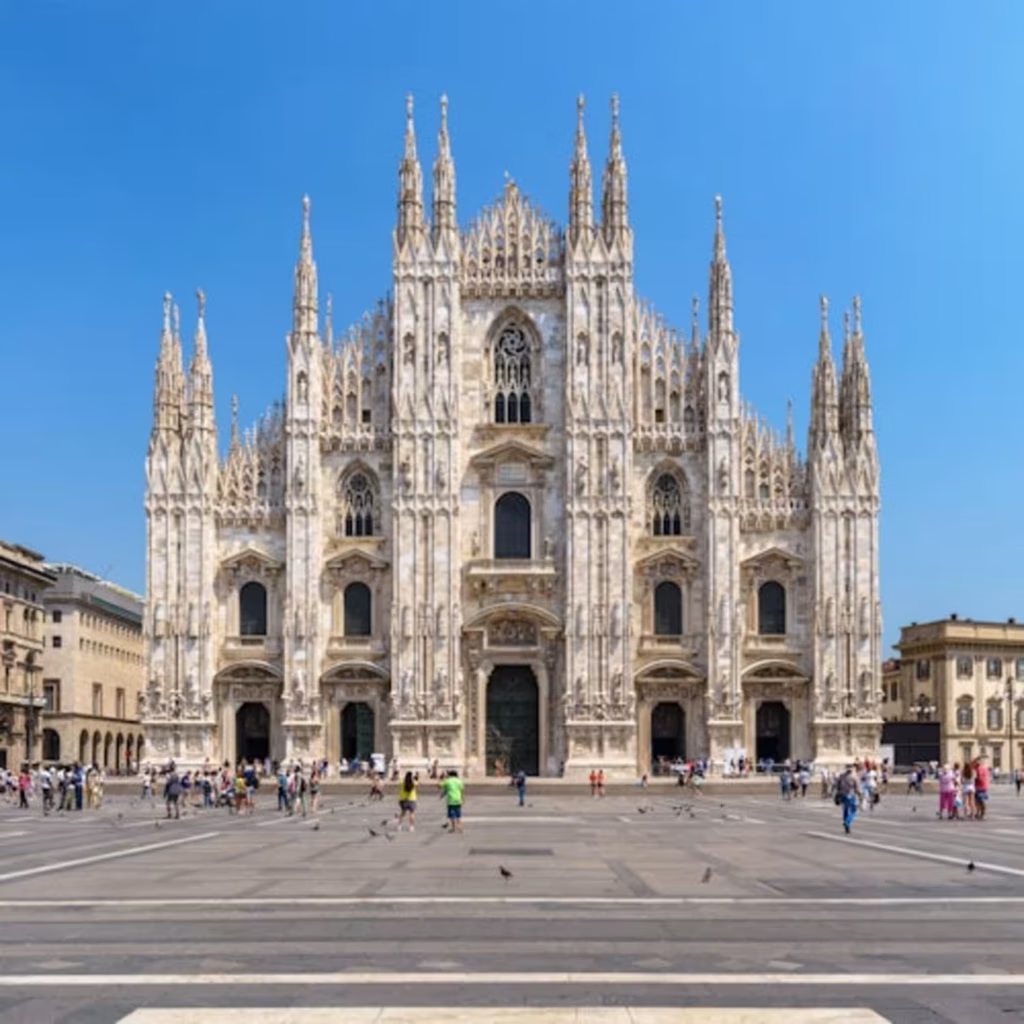
Admire the beauty of Milan Cathedral, the museum and its terraces

Highlights

Discover the splendid design of the Duomo di Milano’s interior.

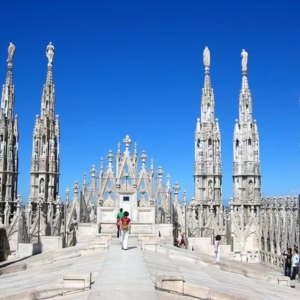
Ascend to the rooftop for sweeping views of Milan.

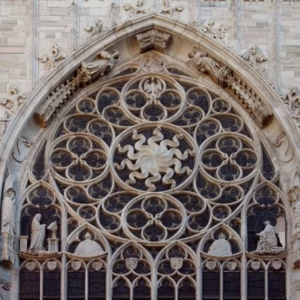
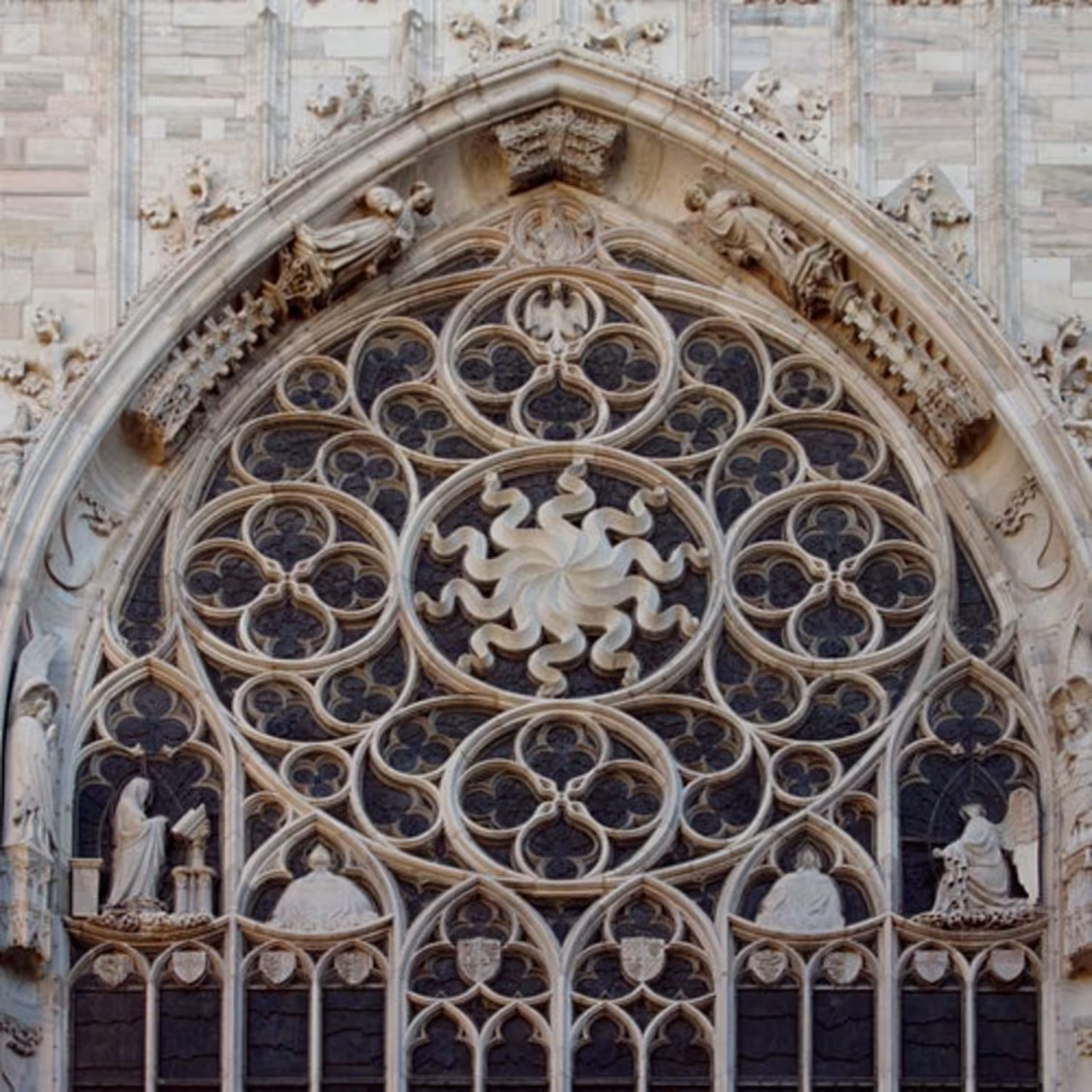
Explore the detailed stained glass windows and elaborate sculptures.

Access the rooftop via elevator or stairs according to your preference.

Experience one of Italy’s most renowned landmarks in comfort and style.
Frequently Asked Questions About the Duomo di Milano's History

Why is the Duomo di Milano considered one of the world's great cathedrals?

It's the largest church in Italy (St Peter's Basilica is larger, but stands in the separate state of Vatican City) and one of the largest Gothic cathedrals anywhere by volume, with vaults among the highest ever built in a completed Gothic church.

How long did it take to build the Duomo di Milano?

Construction began in 1386 and wasn't fully finished until January 1965, though the cathedral was open for worship long before that. Funding gaps and changes in leadership stretched the project across nearly six centuries.

Who commissioned the Duomo di Milano?

Duke Gian Galeazzo Visconti and his cousin, Archbishop Antonio da Saluzzo, launched the project in 1386. Visconti didn't live to see it finished, since the building was barely half done when he died in 1402.

What is the Veneranda Fabbrica del Duomo?

It's the institution founded in 1387 to build the cathedral and still responsible for its maintenance and restoration today, more than six centuries later. It also holds the exclusive right to the Candoglia marble that faces the building.

What is the Duomo Museum?

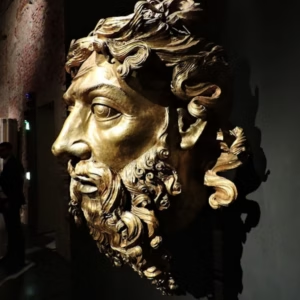
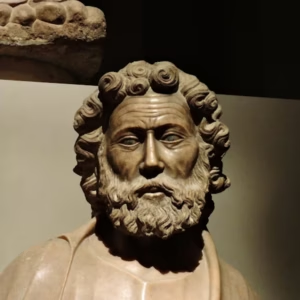
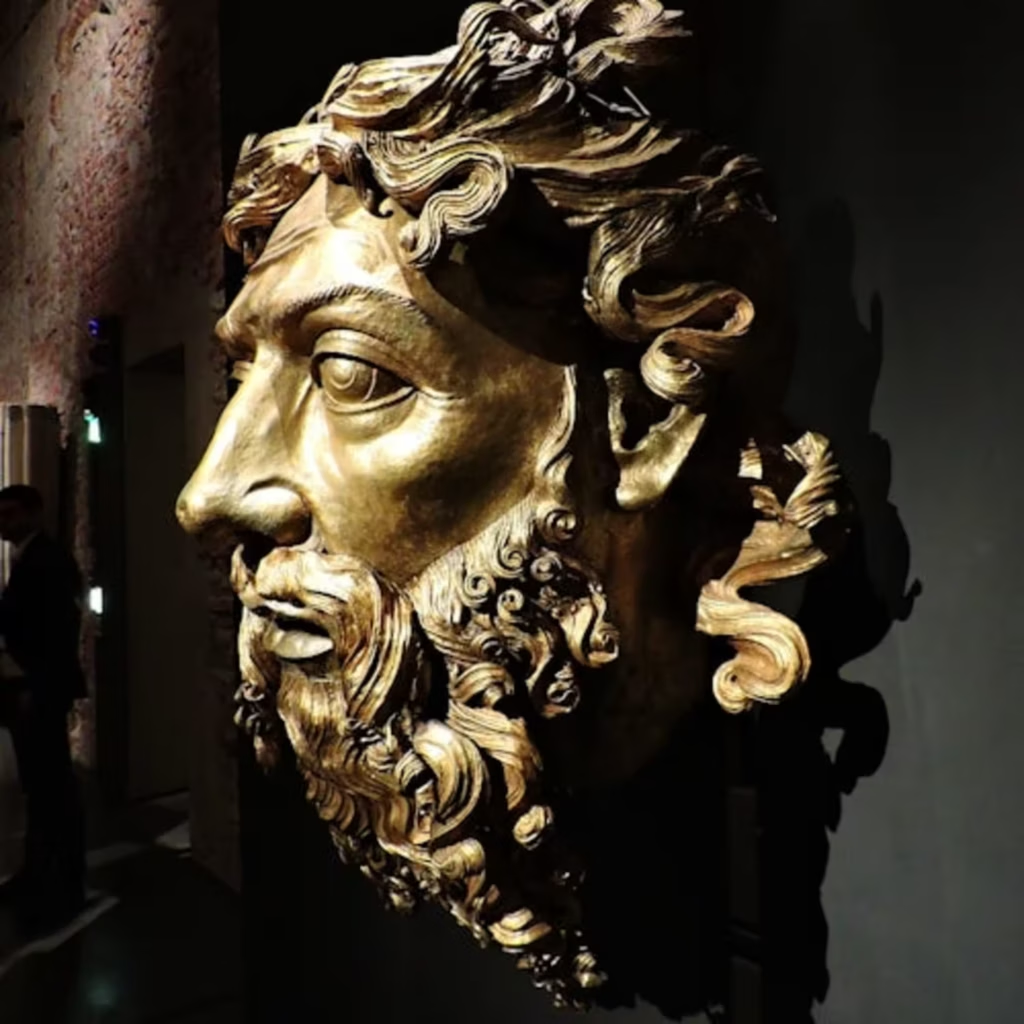
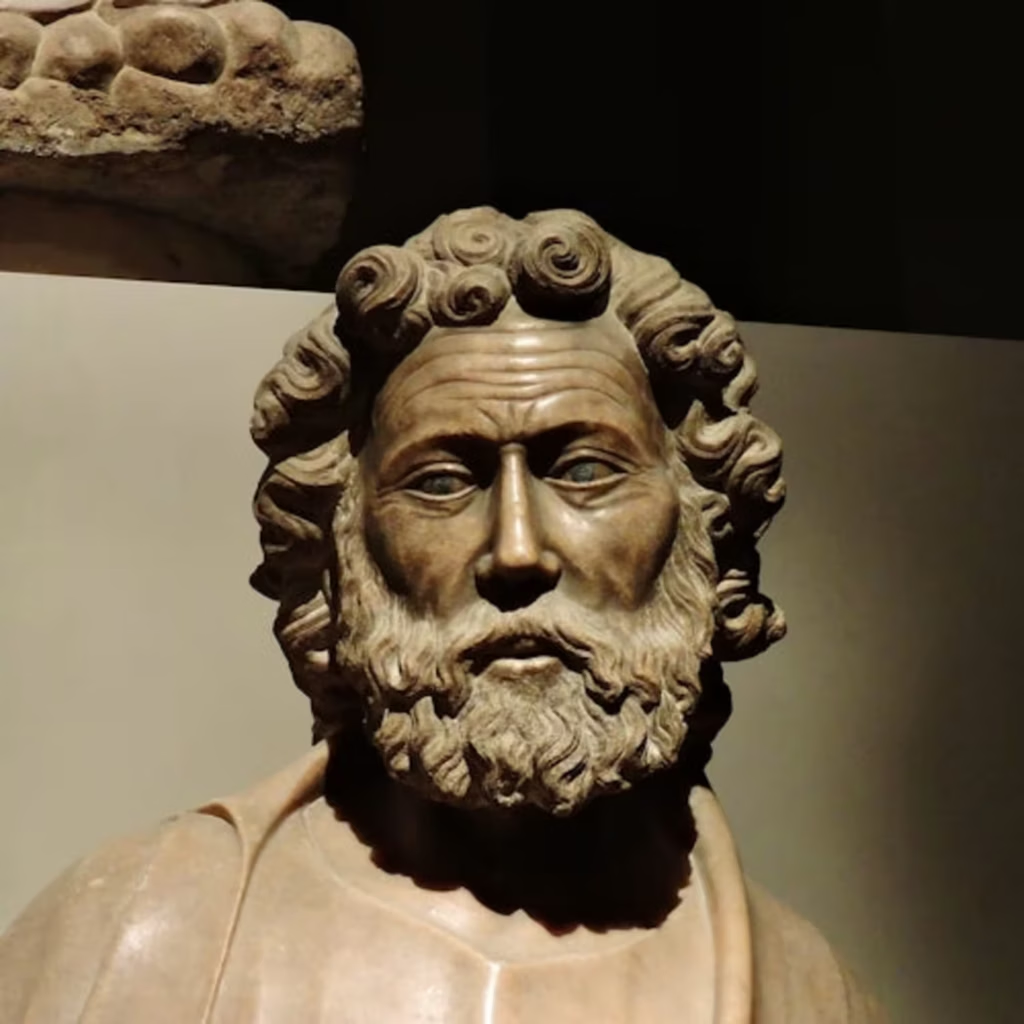
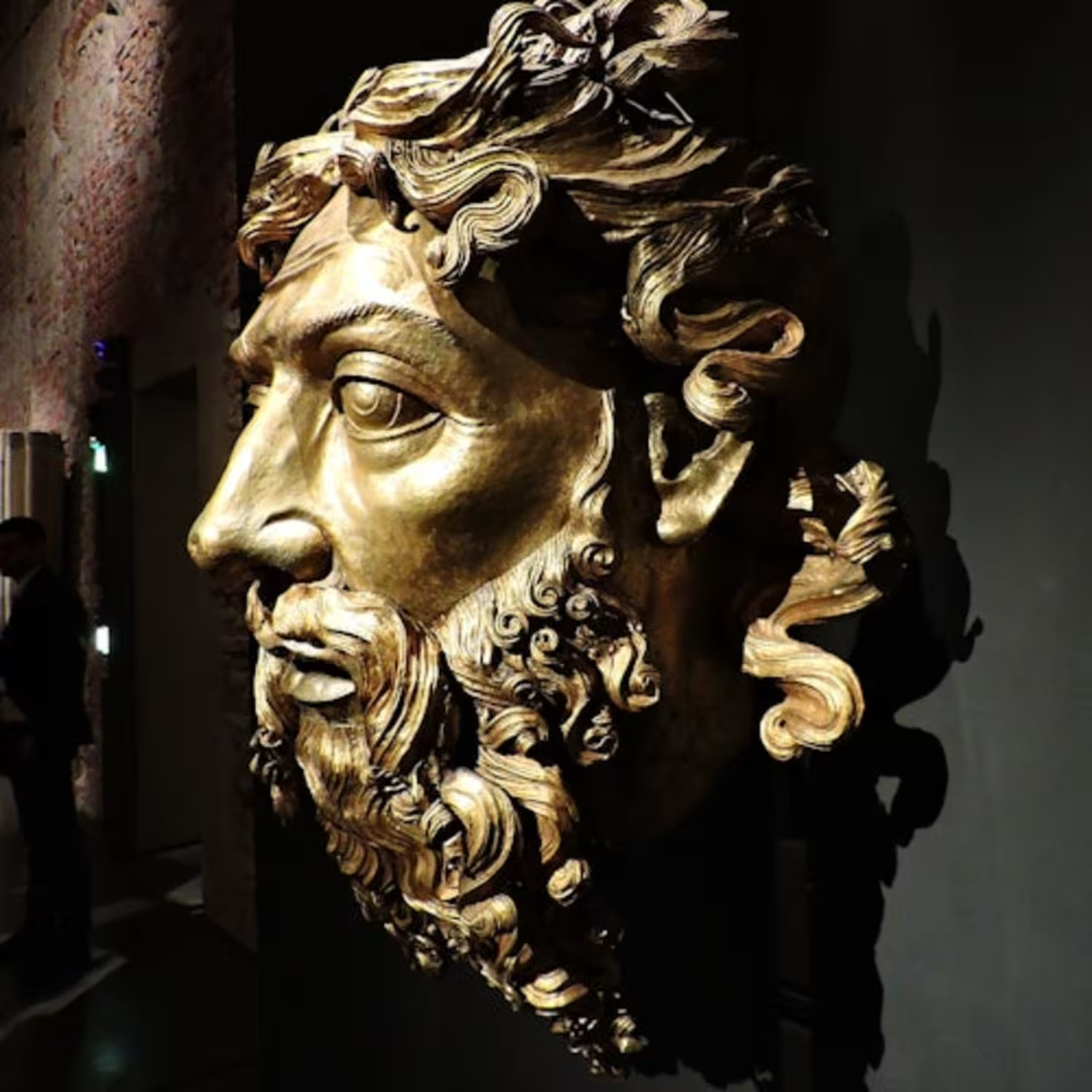
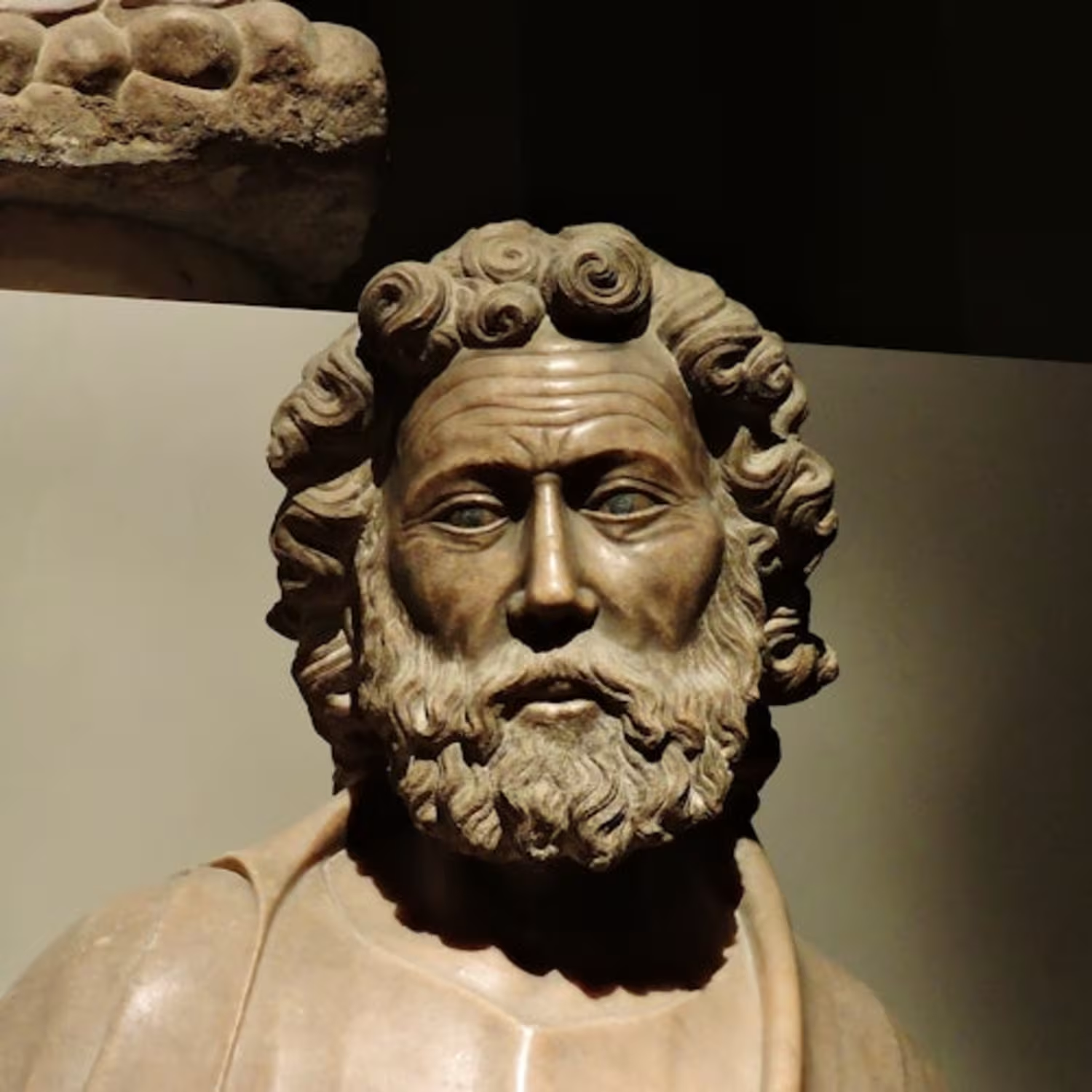
It's the Duomo's dedicated museum inside the Royal Palace on Piazza del Duomo, holding original statues, stained glass and models removed from the cathedral itself for safekeeping. It first opened in 1953 and was most recently redesigned in 2013; it's open daily except Wednesdays.

What is the Church of San Gottardo in Corte?

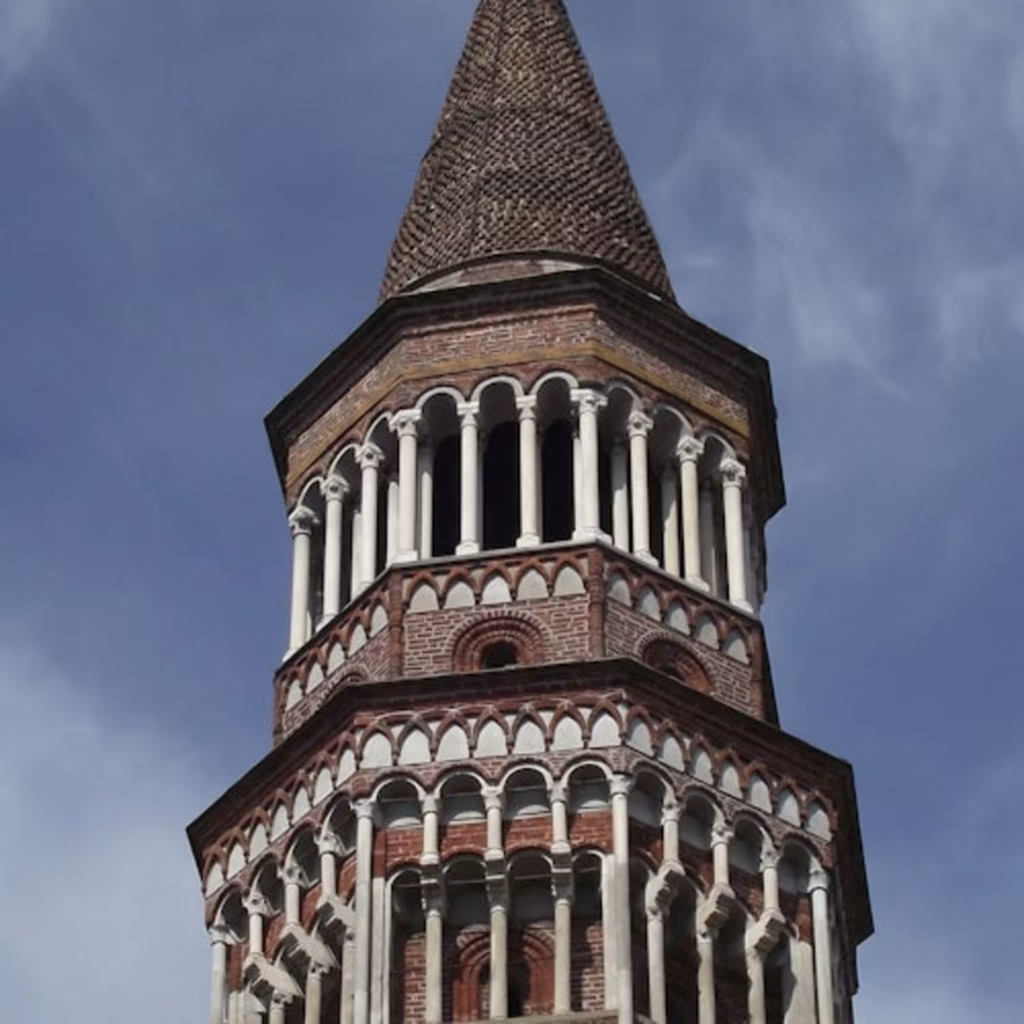
It's a 14th-century chapel next to the Duomo, built in 1336 for Azzone Visconti before the cathedral existed. Its bell tower once carried the city's first public clock, which is why the surrounding neighbourhood is still called the Quarter of the Hours.

What is the archaeological area beneath the Duomo di Milano?

It's a preserved section of early Christian Milan: the remains of two earlier basilicas and the fourth-century Baptistery of San Giovanni alle Fonti, where Saint Ambrose baptised Saint Augustine in 387. It was buried once construction of the cathedral began in 1386, and parts of it can still be visited today.

What is the Rite of the Nivola?

Every September, Milan's Archbishop rises on a cloud-shaped lift called the Nivola to retrieve the Holy Nail, a relic tradition holds is from the Crucifixion, from a niche 40 metres above the altar. It's then displayed on the main altar for 40 hours, a ceremony held every year for five centuries.

What is the meridian line inside the Duomo di Milano?

A line laid into the cathedral floor in 1786 by astronomers from Milan's Brera Observatory to mark solar noon exactly. For a time, a signal from it triggered a cannon at Sforza Castle so the whole city could set its clocks by it.

Why is the Madonnina statue important to Milan?

The gilded copper statue of the Virgin Mary has crowned the cathedral's tallest spire since 1774 and is one of the city's most recognisable symbols. Locals have long said that a clear view of her from a distance is a sign of good weather.

Did the Duomo di Milano survive World War II?

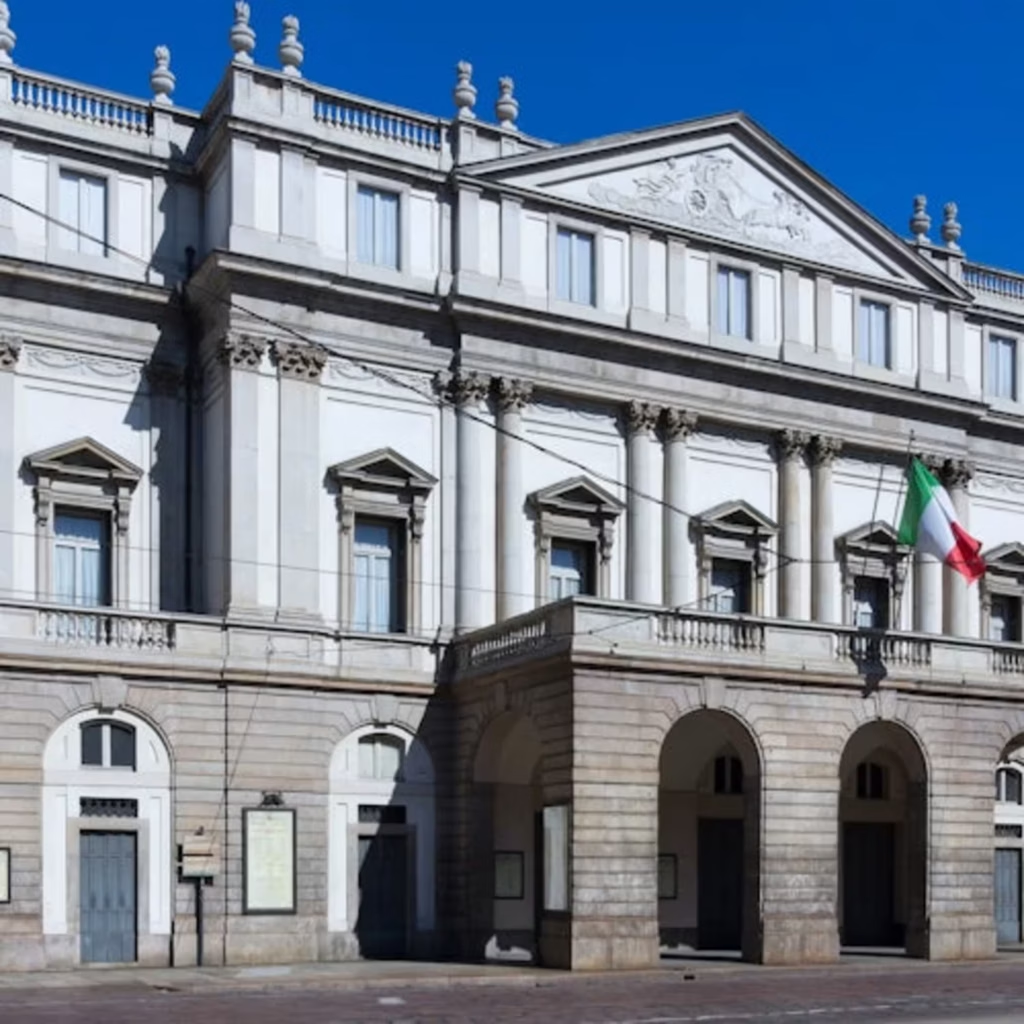
Yes, Allied bombing during the war damaged the cathedral, but by most accounts less severely than nearby buildings like the Teatro alla Scala. It was repaired quickly and reopened as a gathering place for the city.

This website sells official tickets for this venue. Please note, however, that it is not the official website of the venue.

The images and videos on this website may contain visual elements that have been created or enhanced using AI technology. They are provided for illustrative purposes only.