Pinacoteca Ambrosiana Tickets – Book Your Tickets Online
This website offers official tickets for this venue. Please note, however, that it is not the official website of the venue.
Smartphone tickets
Why wait?
Instant confirmation
Flexible cancellation


Pinacoteca Ambrosiana
Highlights
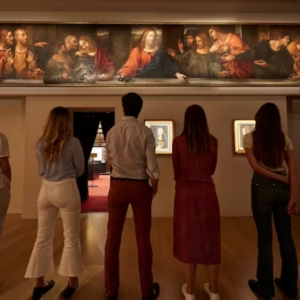
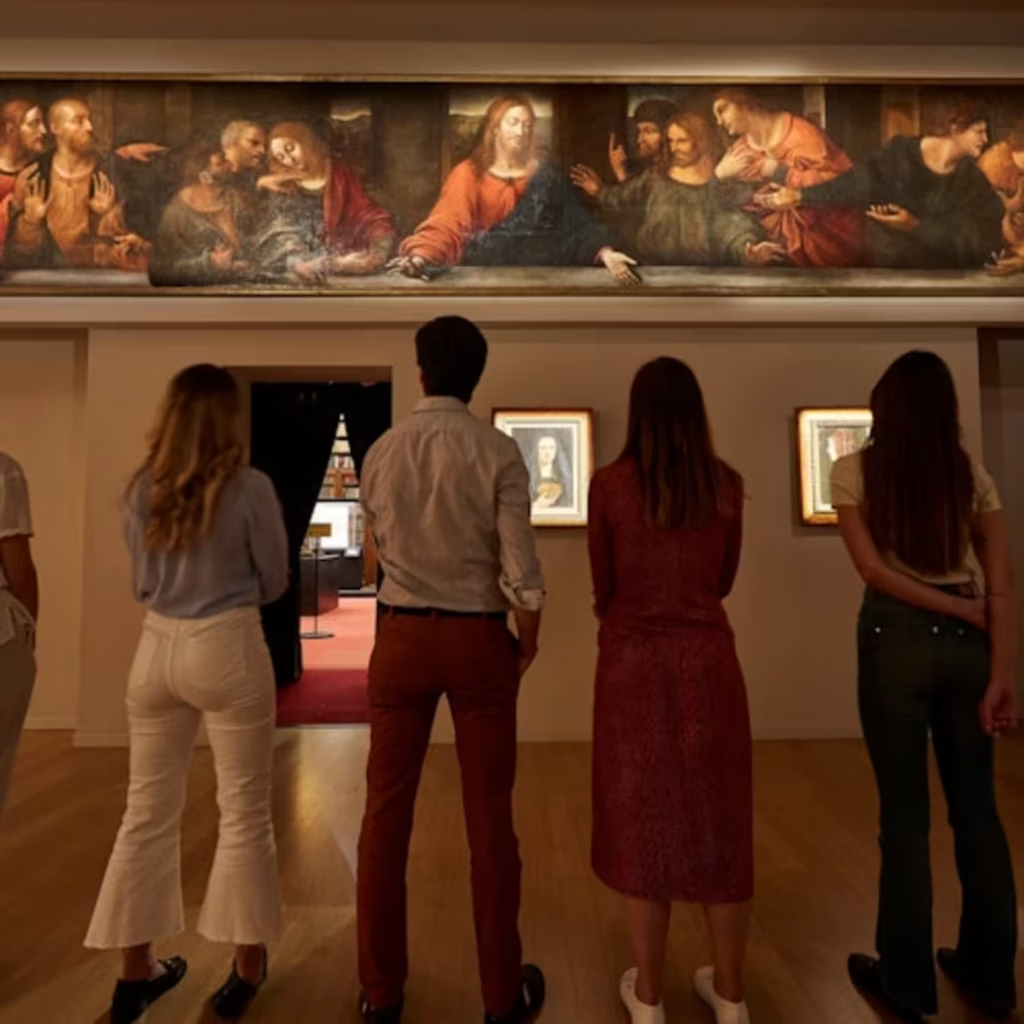
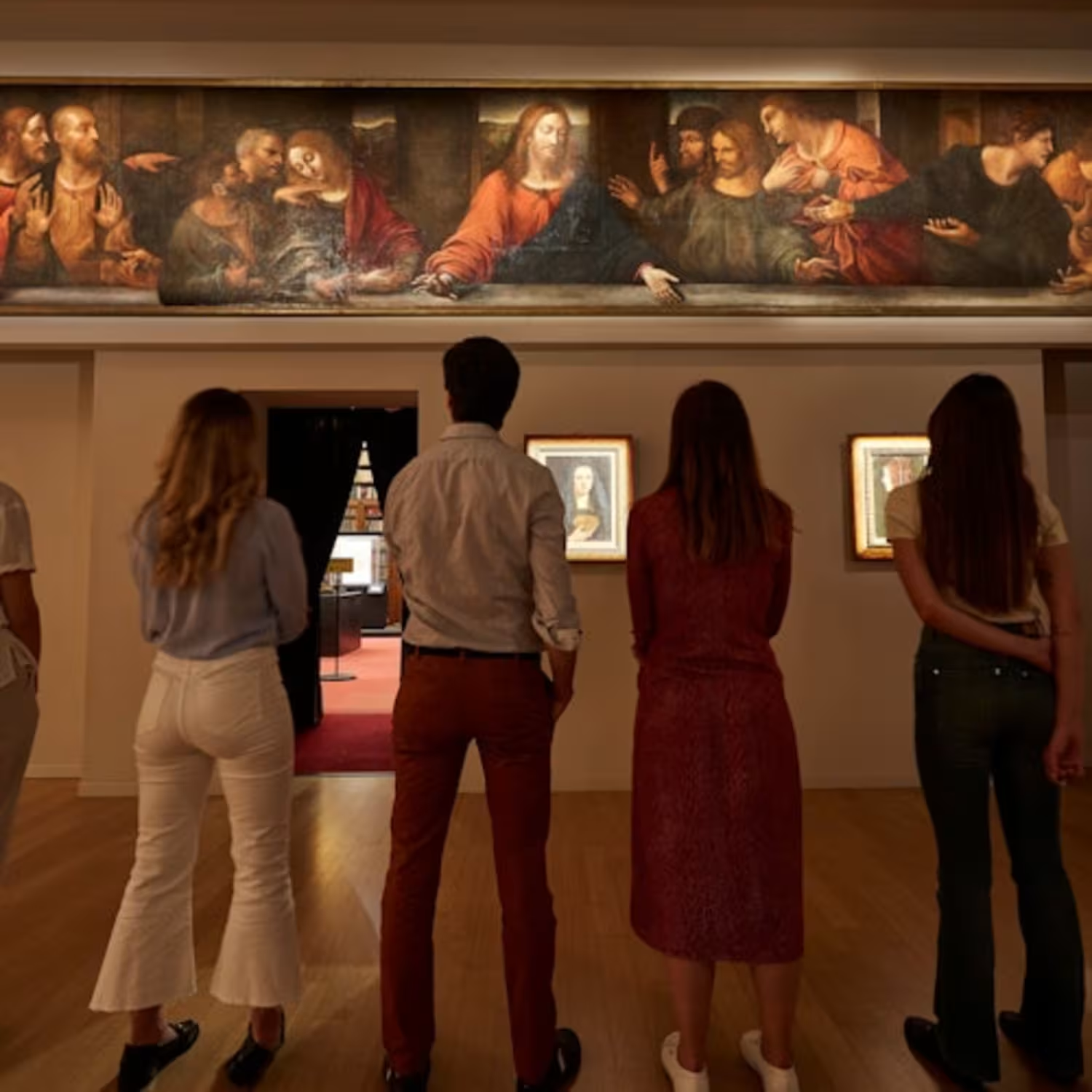
Discover iconic paintings by da Vinci, including one of only 15 known works worldwide.
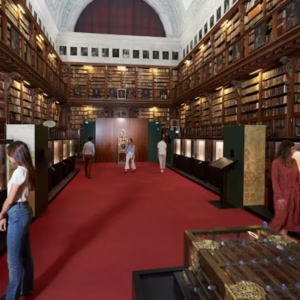
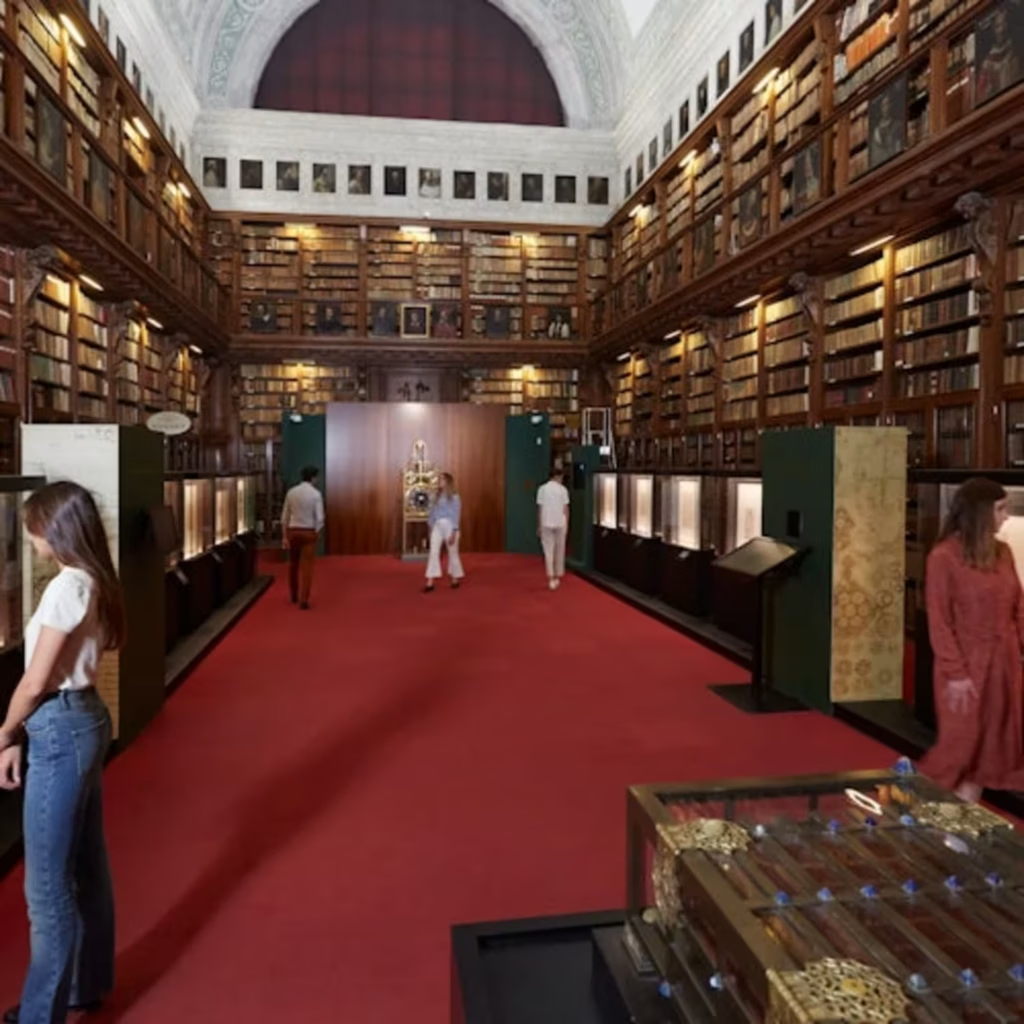
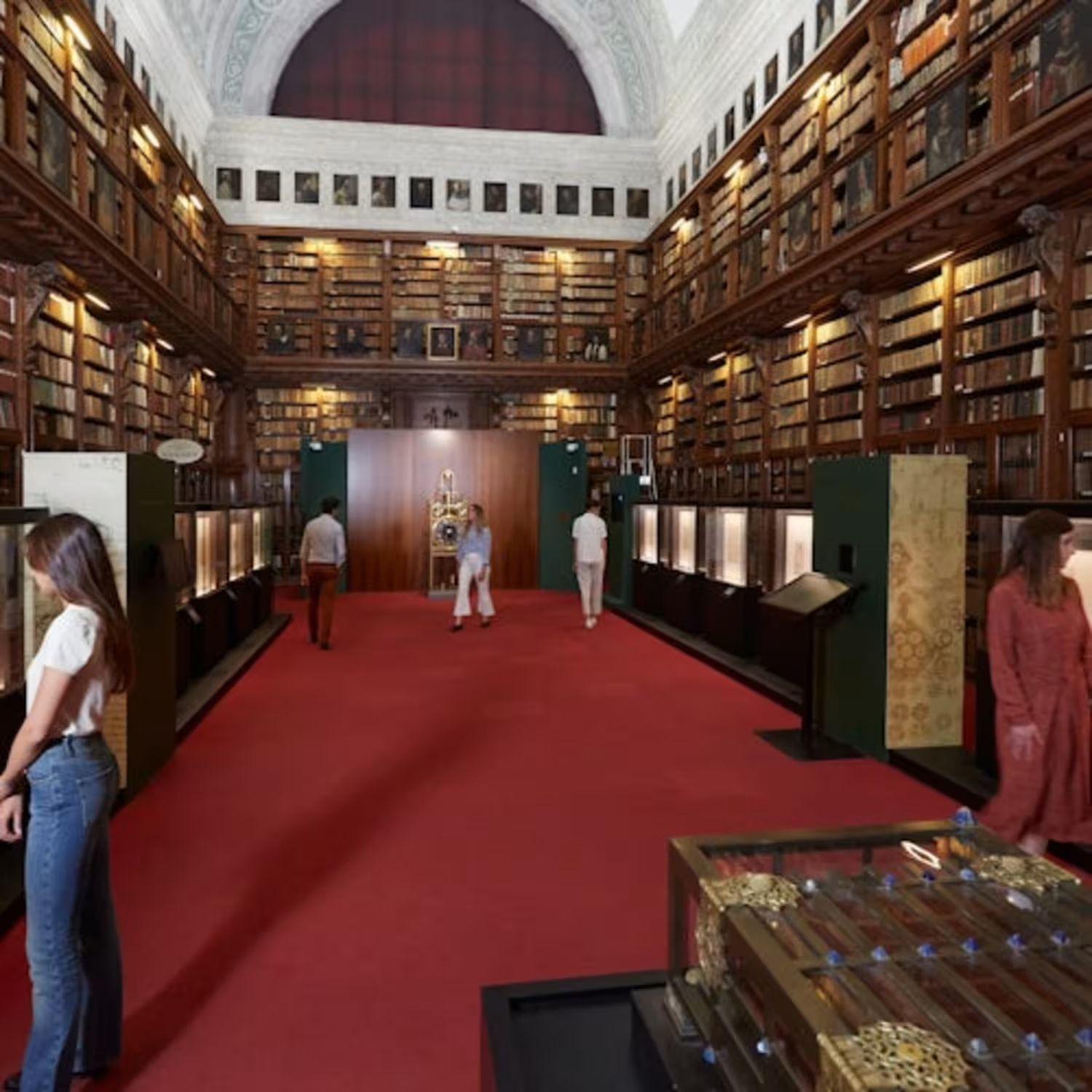
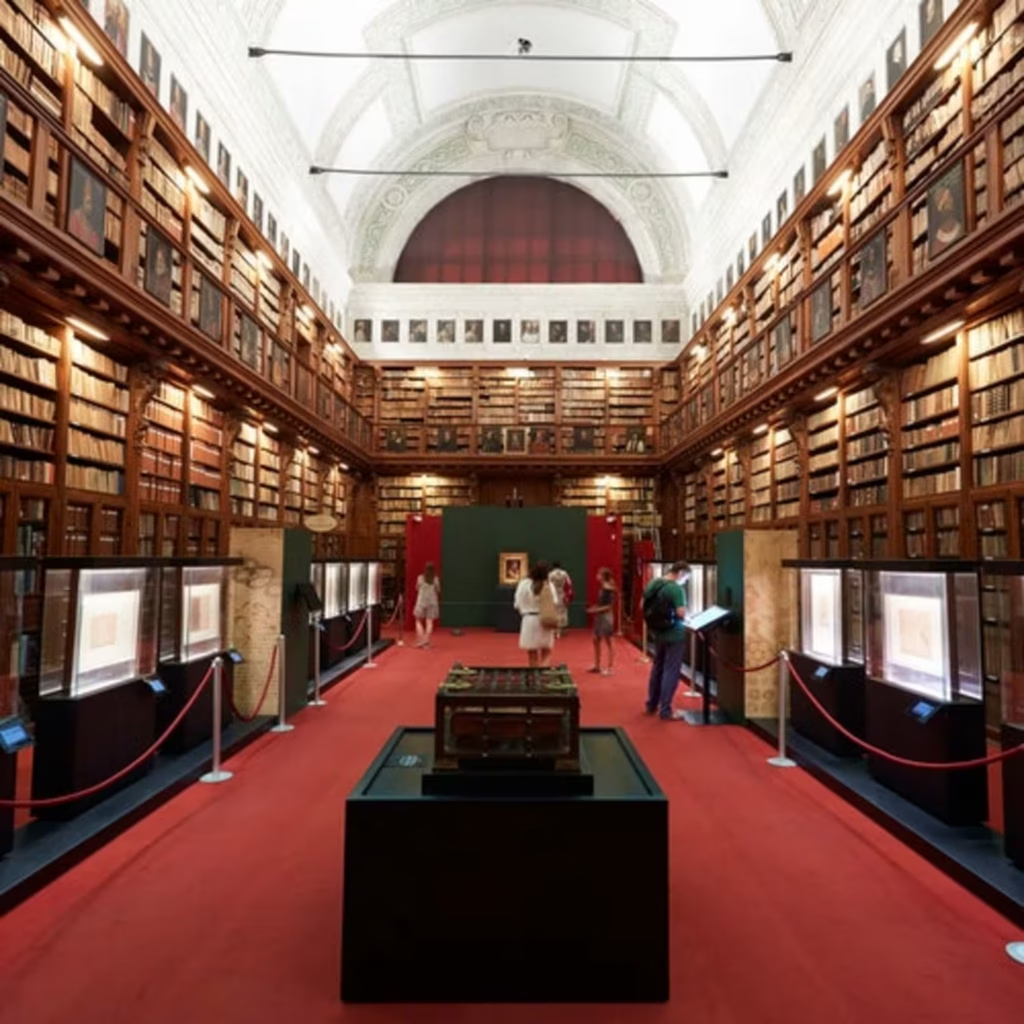
Explore Leonardo da Vinci’s Codex Atlanticus, a vast collection of his original drawings and notes.
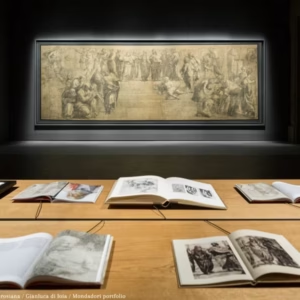
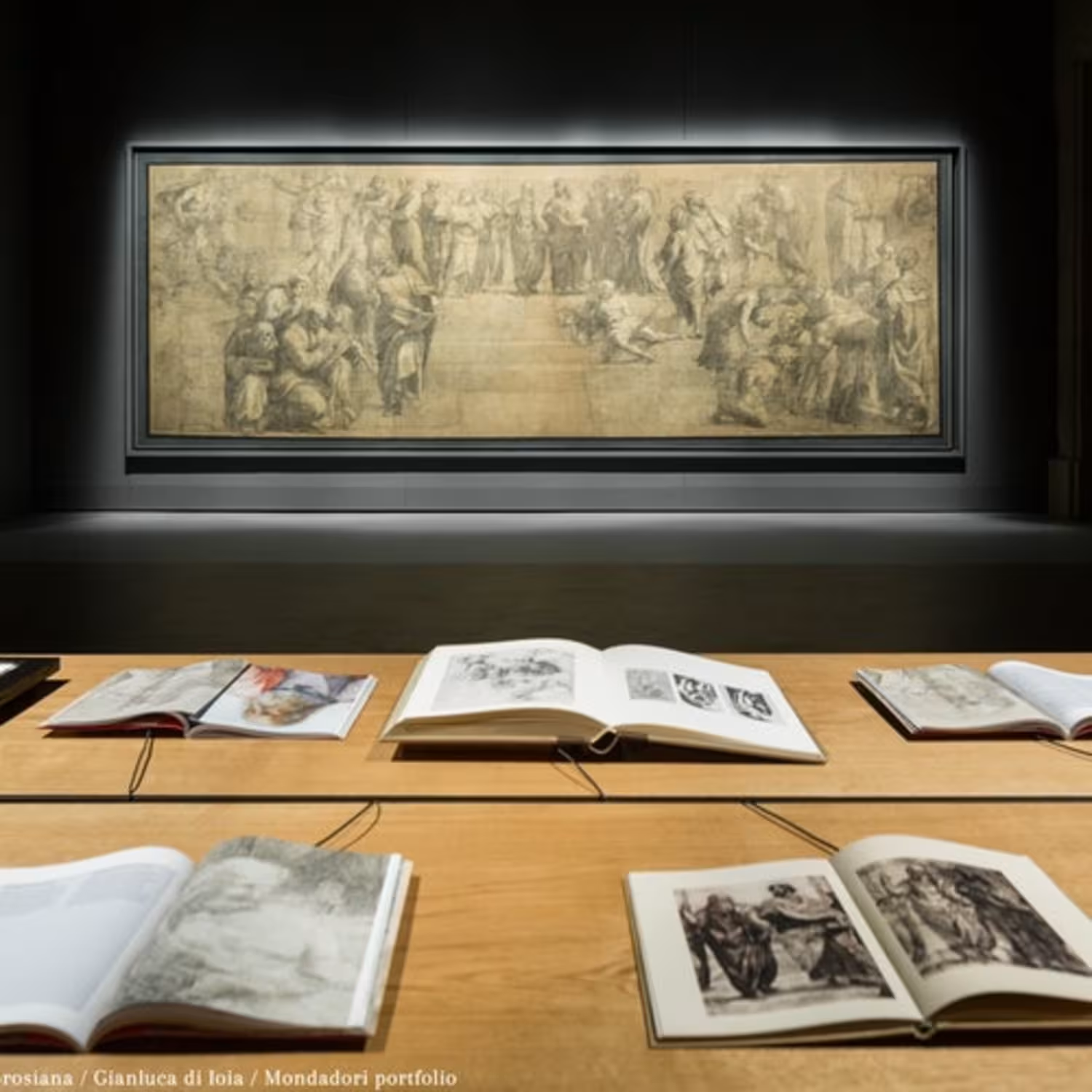
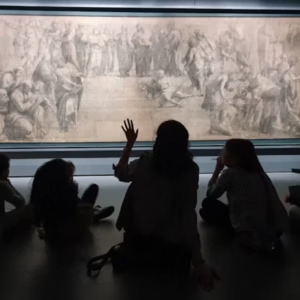
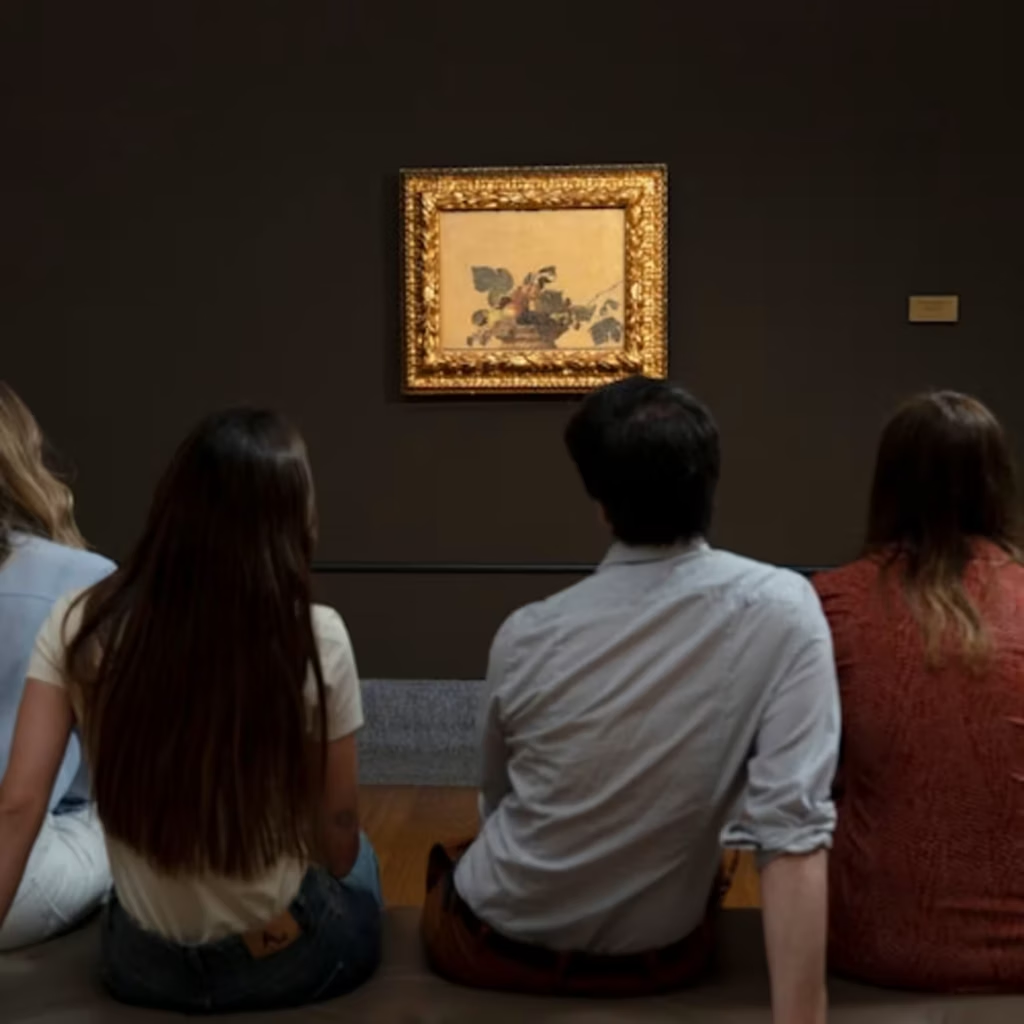
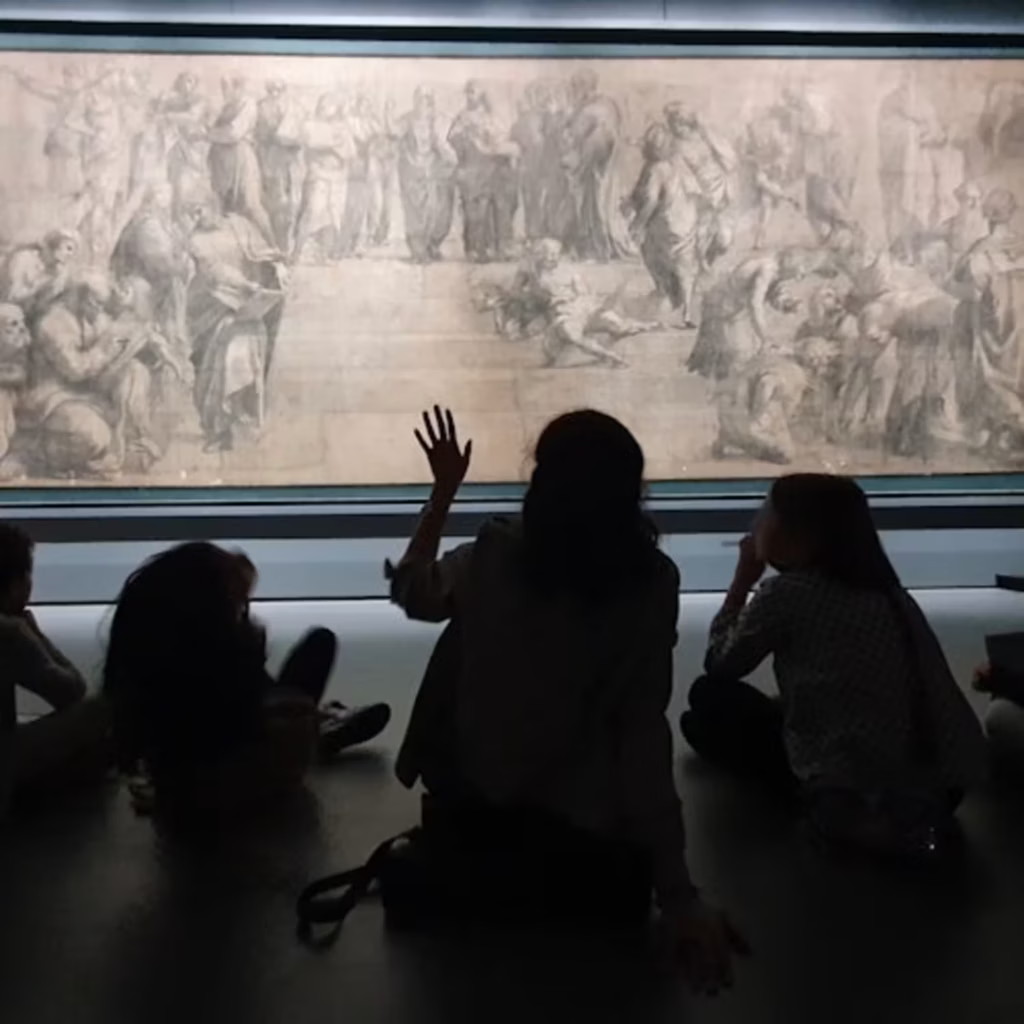
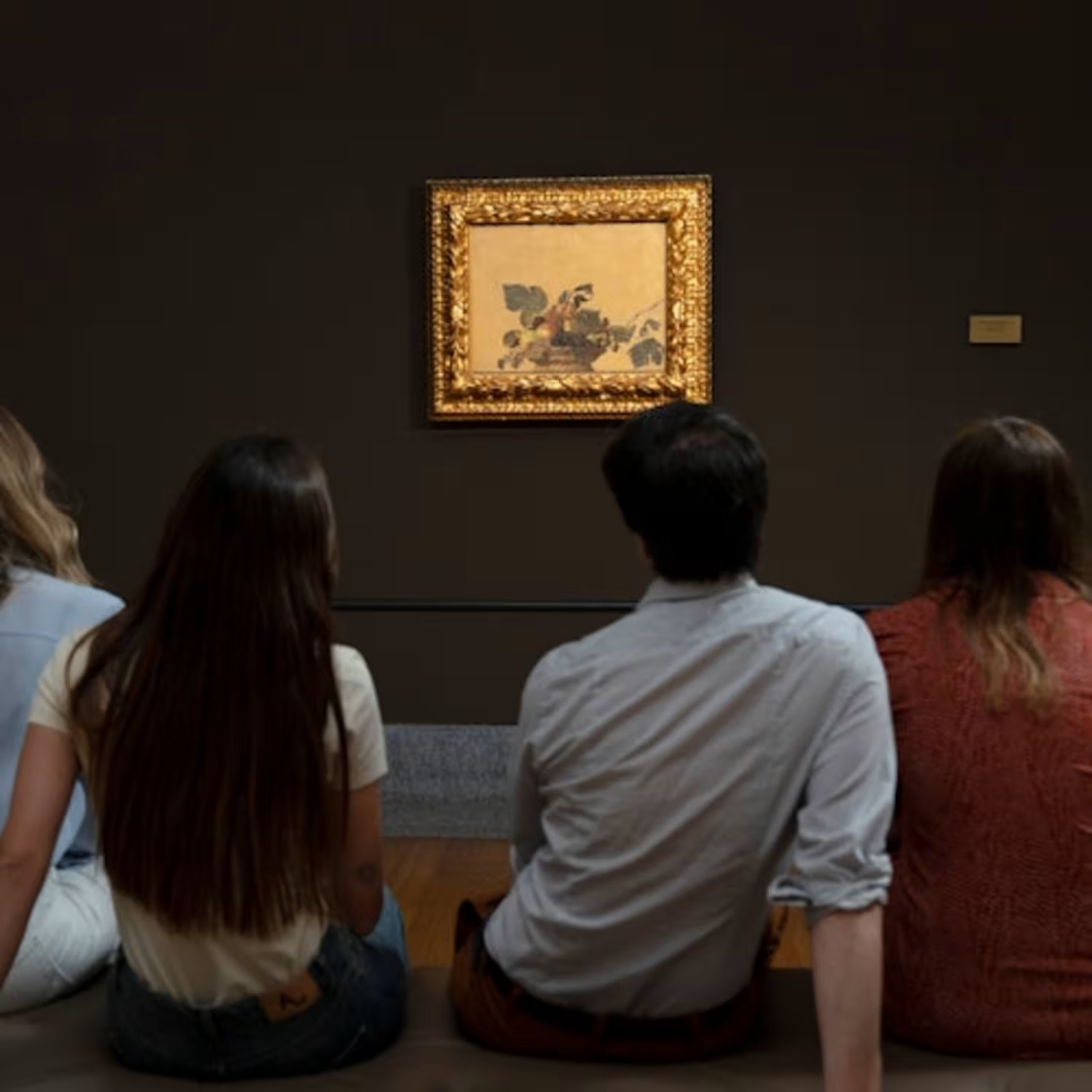
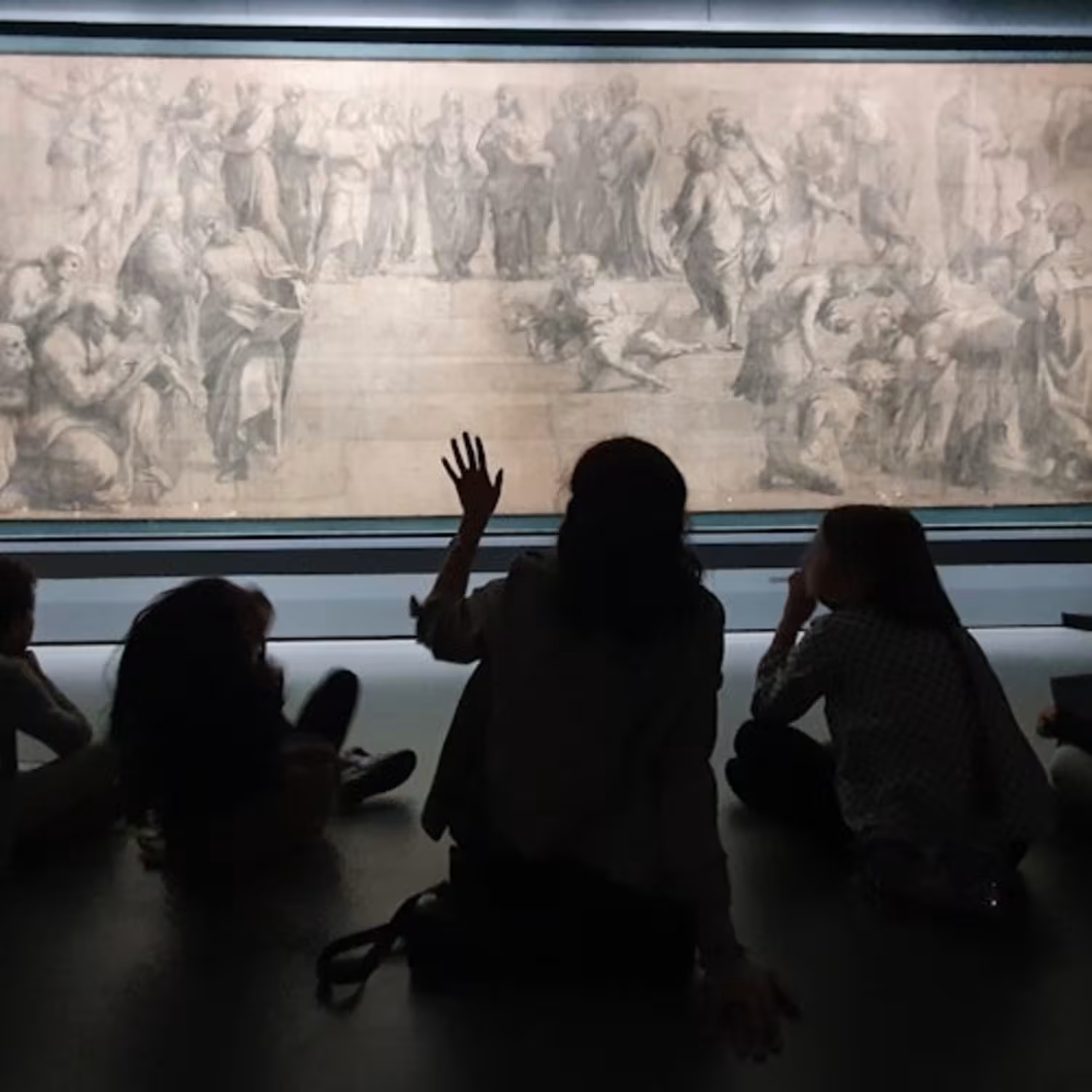
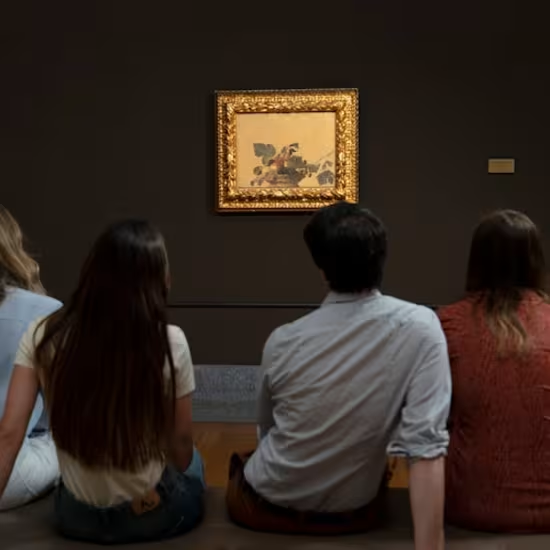
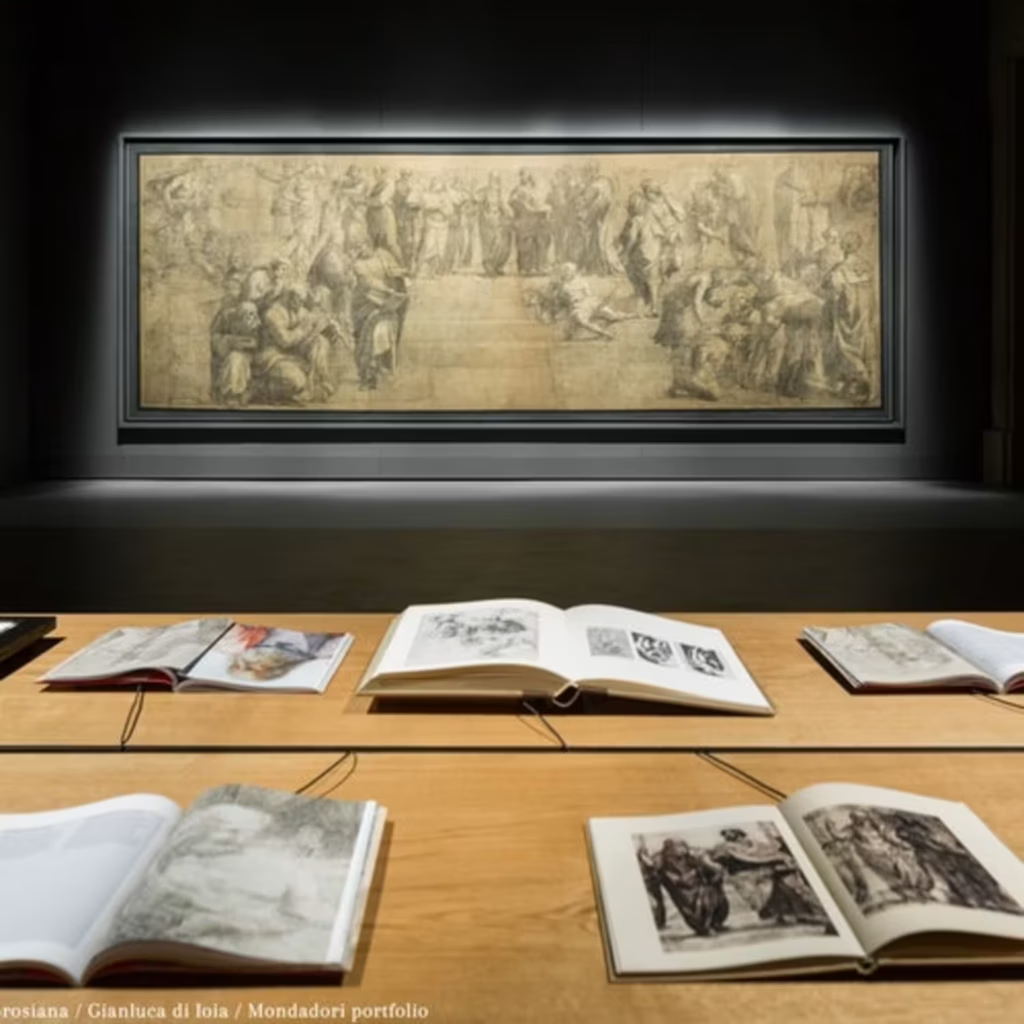
Admire significant artworks such as Raphael’s preparatory cartoon for The School of Athens and Caravaggio’s Basket of Fruit.
Visit Milan’s historic cultural landmark that draws parallels to the Louvre.
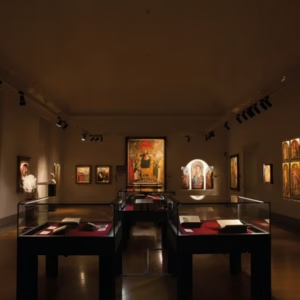
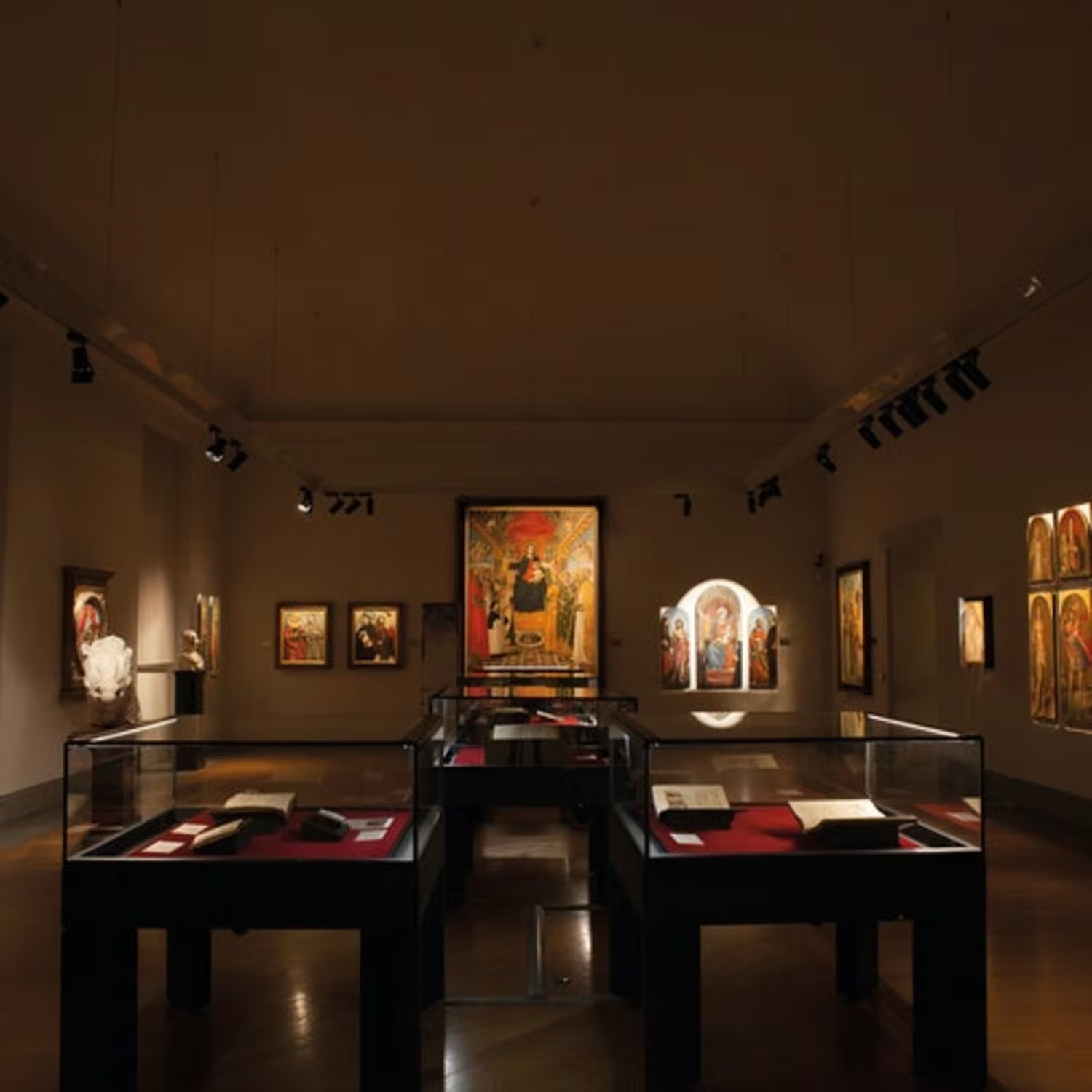
Immerse yourself in masterpieces spanning Renaissance and Baroque periods.
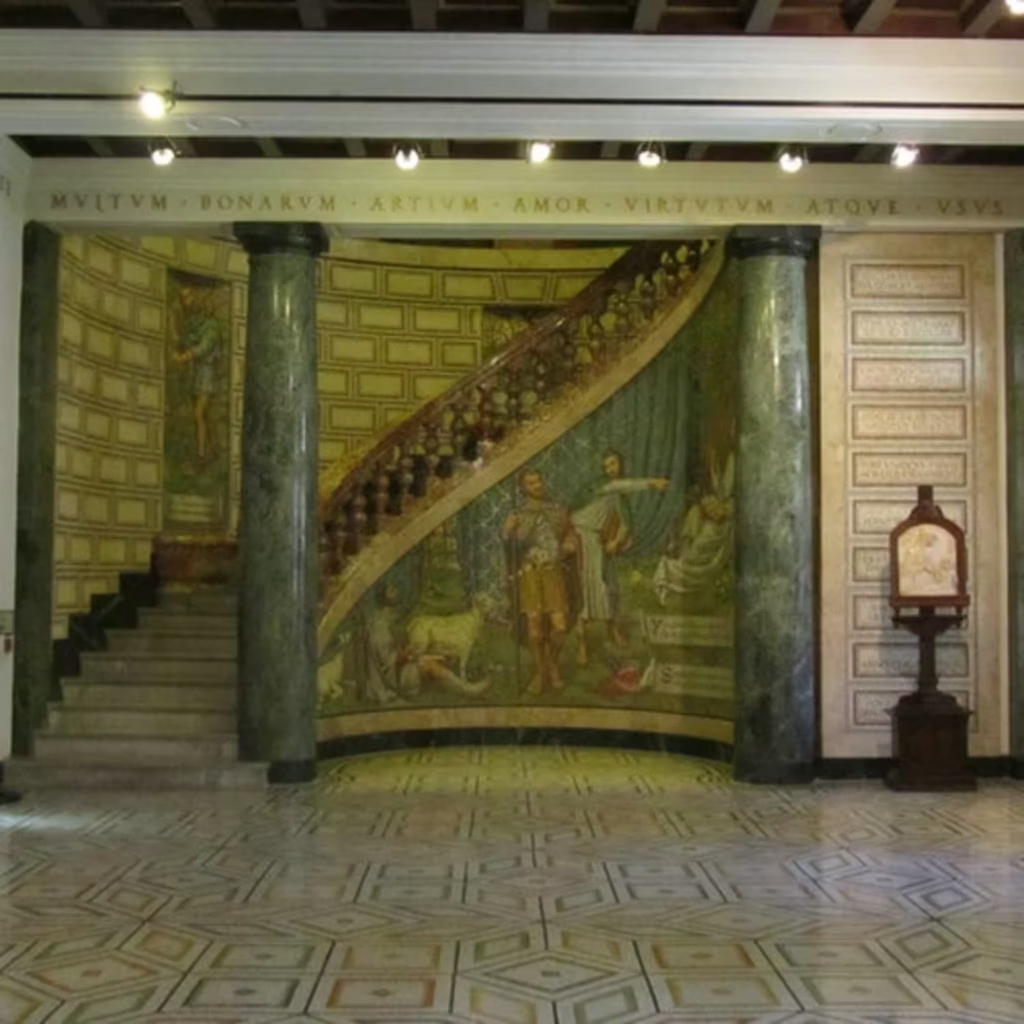
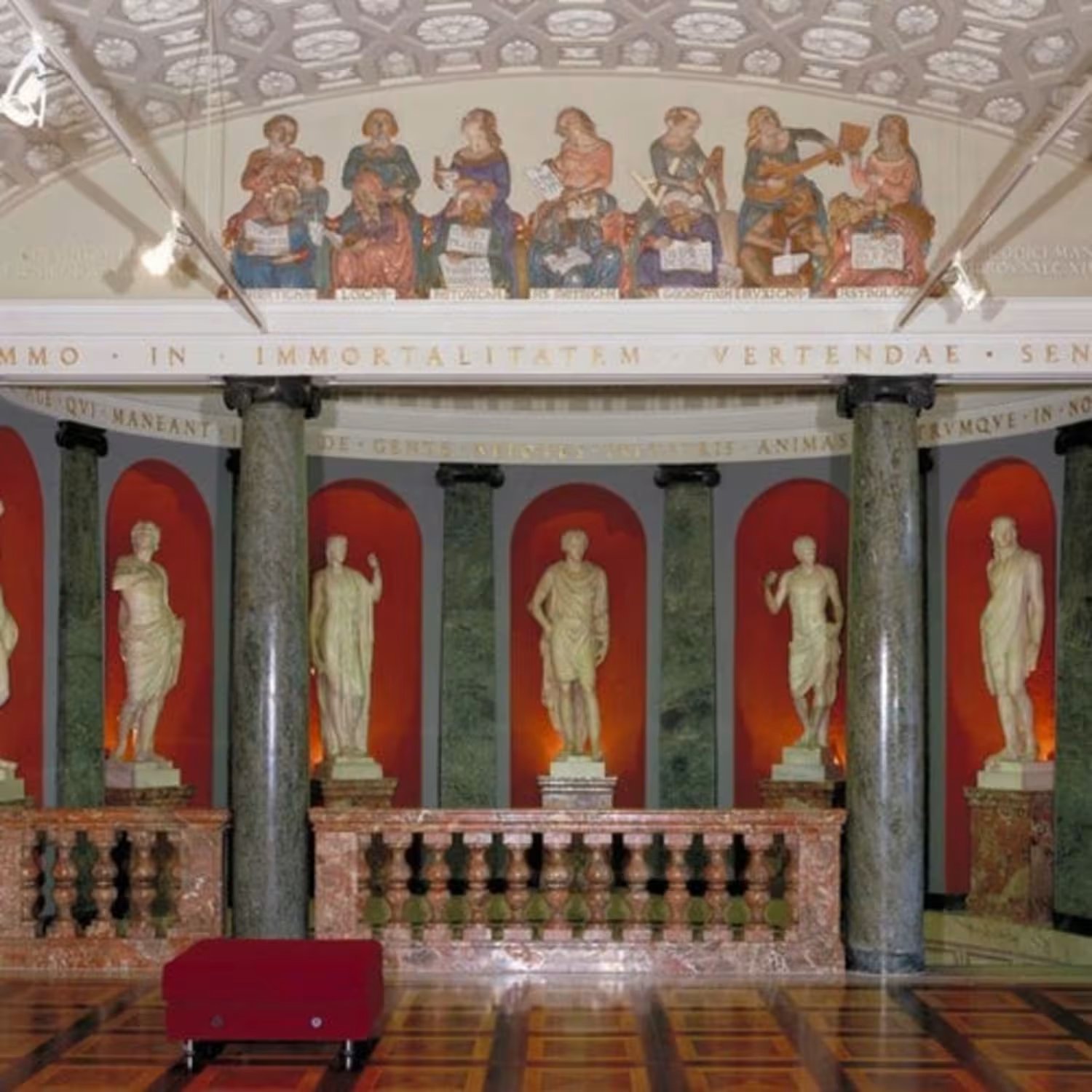
Pinacoteca Ambrosiana + Cripta di San Sepolcro
Highlights
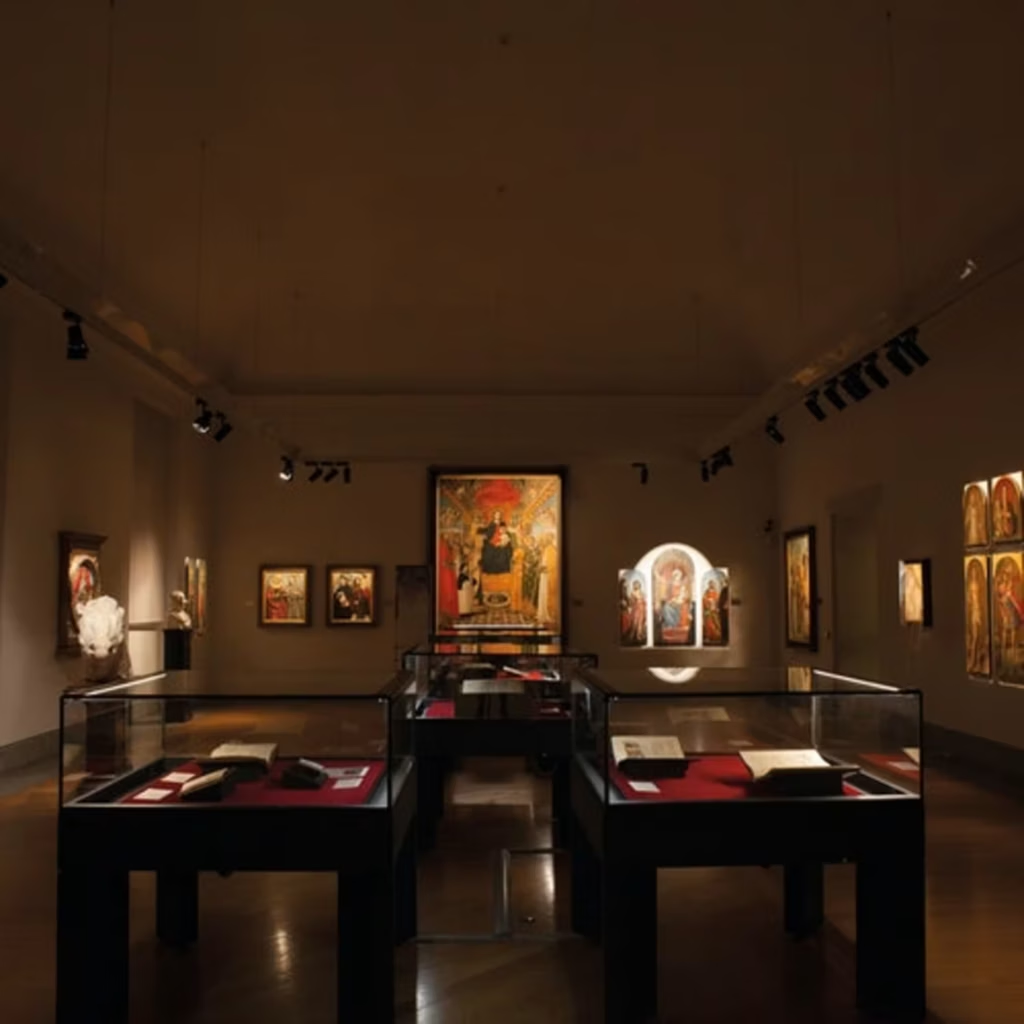
View renowned artworks including pieces by Caravaggio, Raphael, Brueghel, and Leonardo da Vinci.
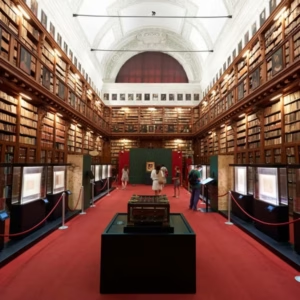
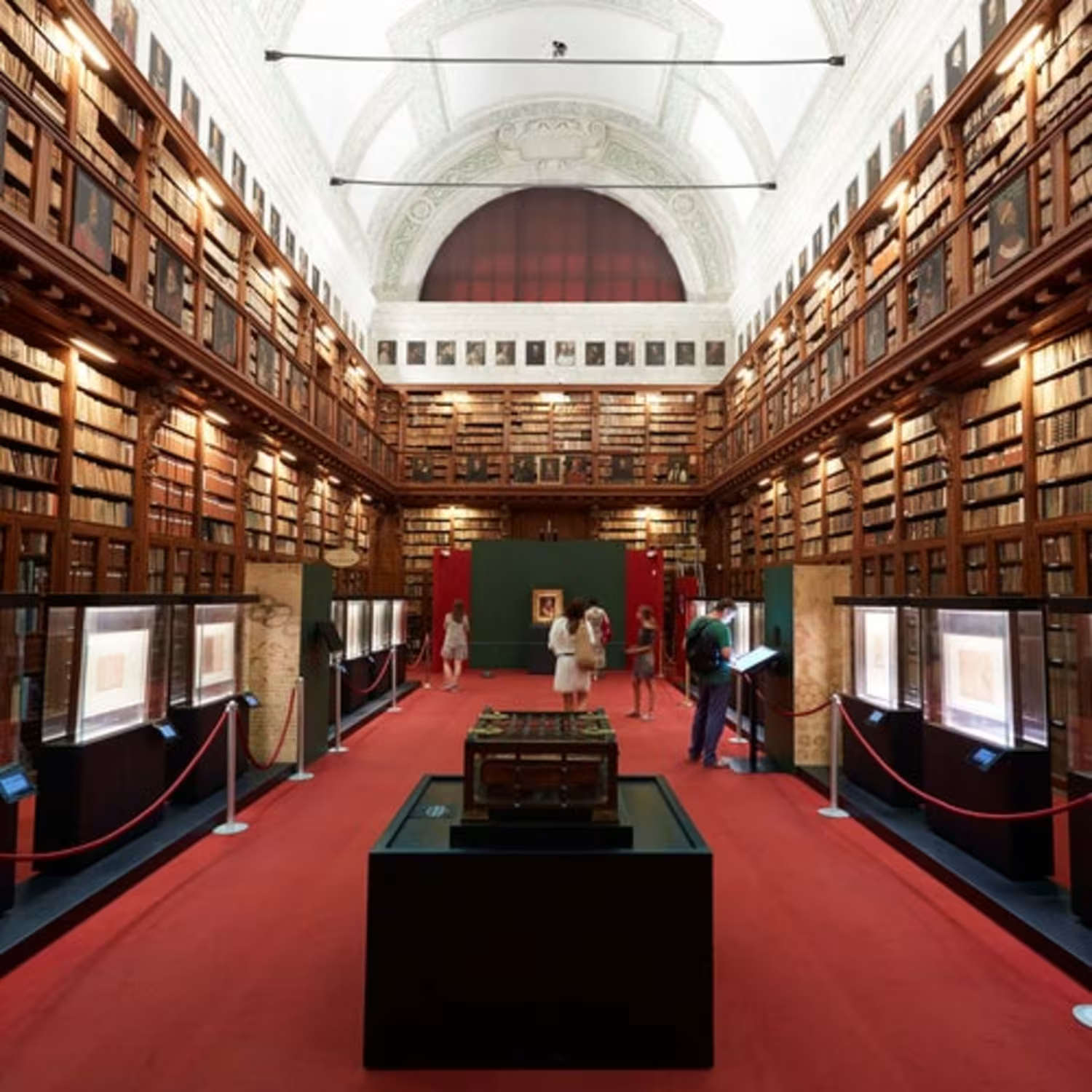
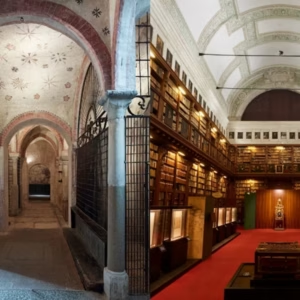
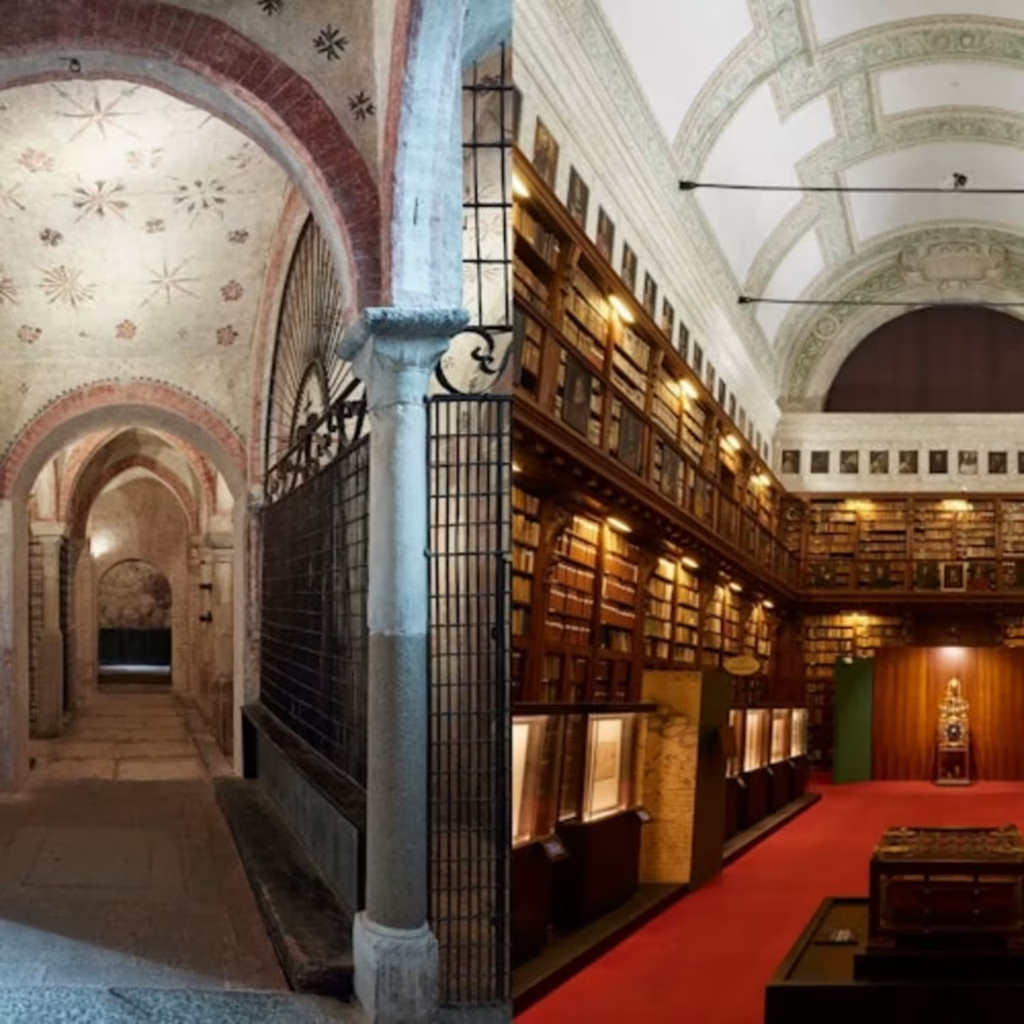
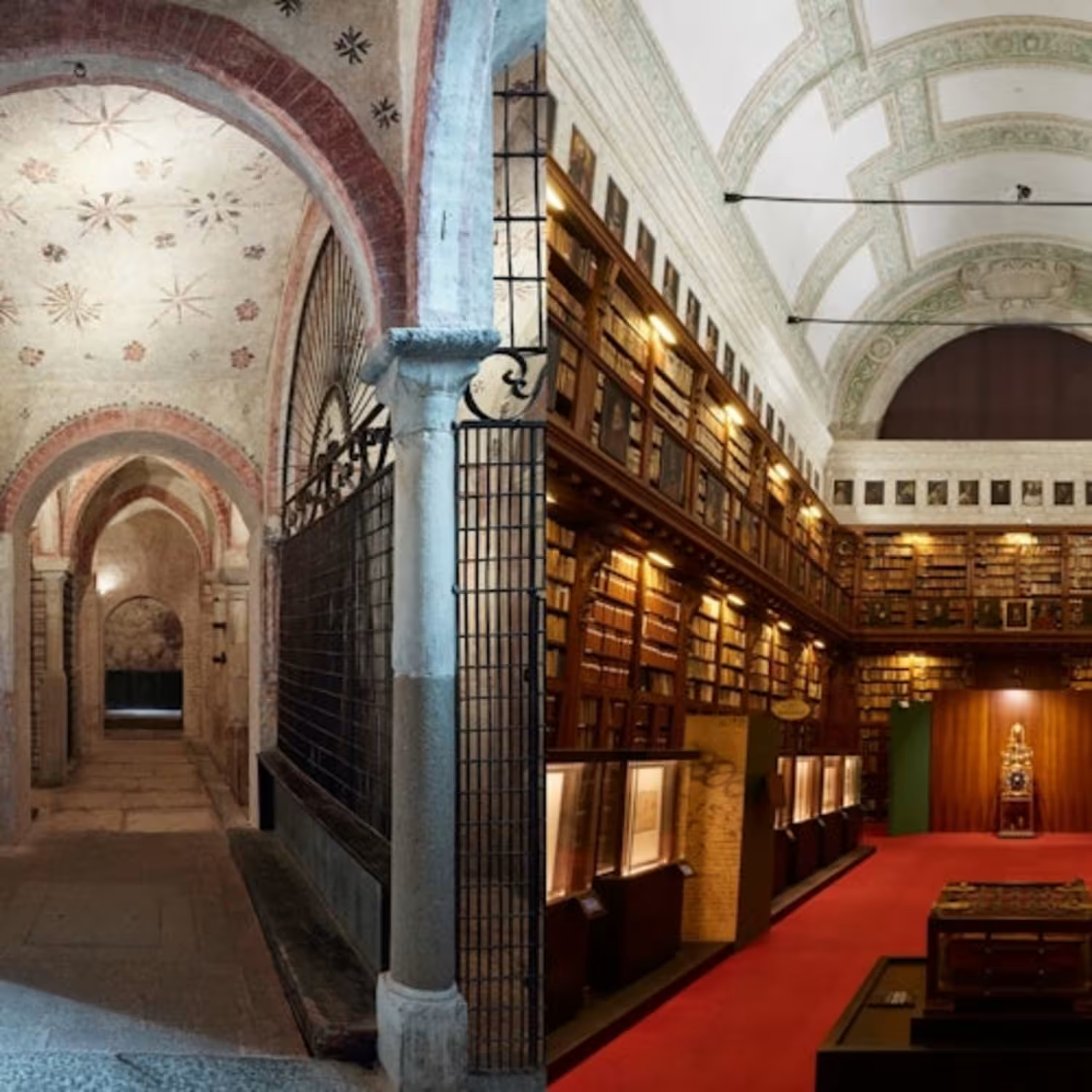
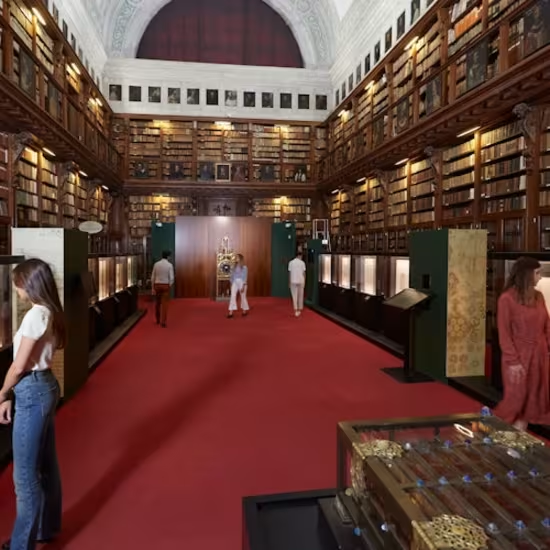
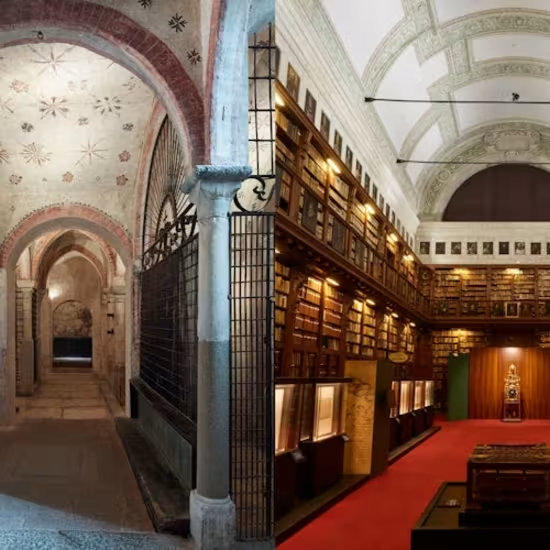
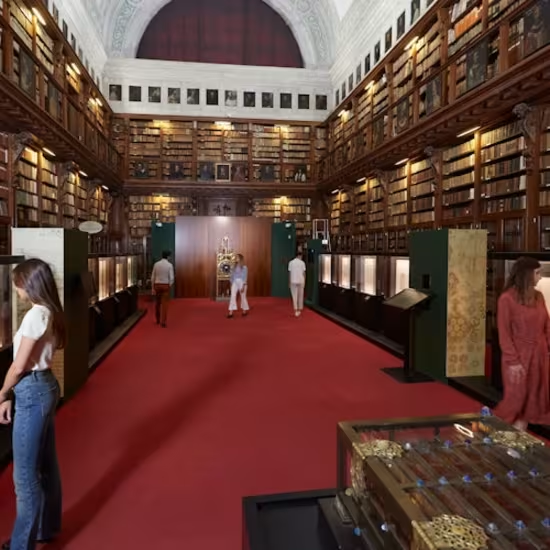
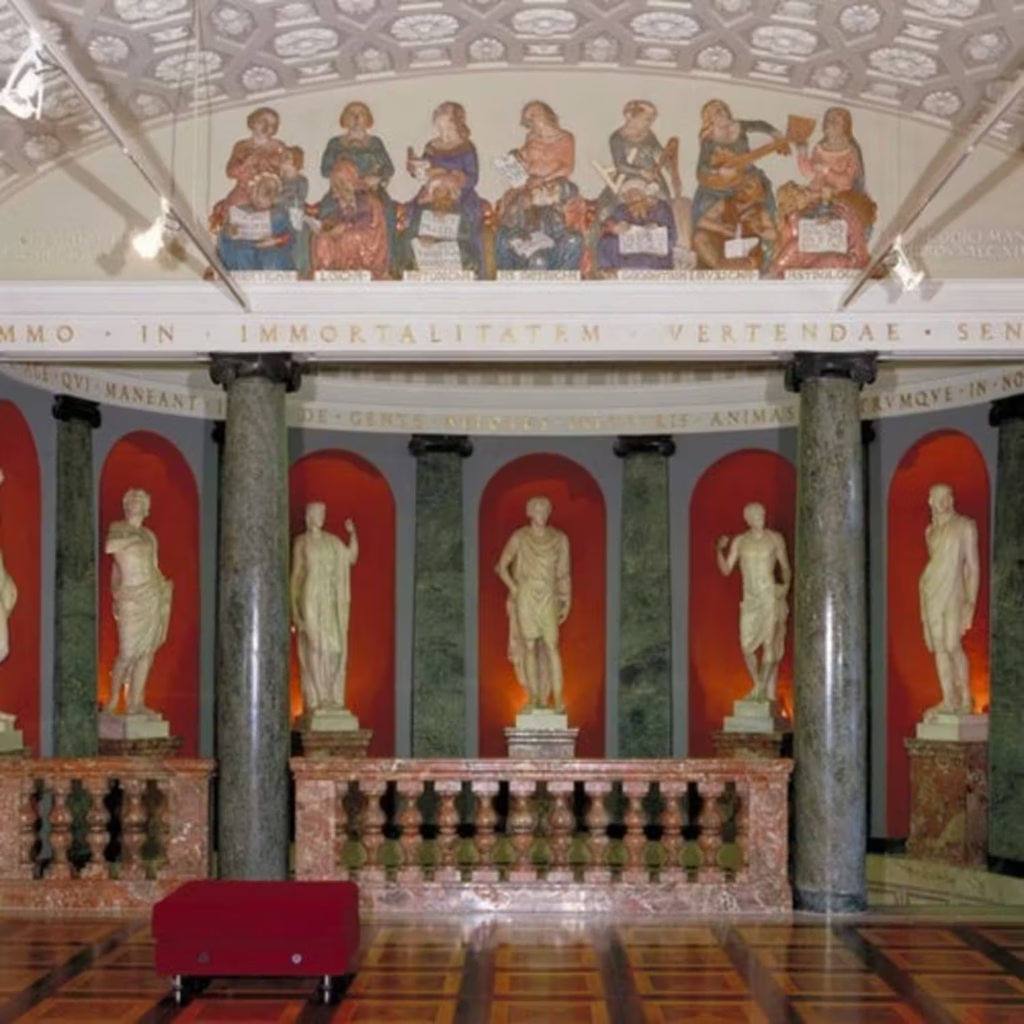
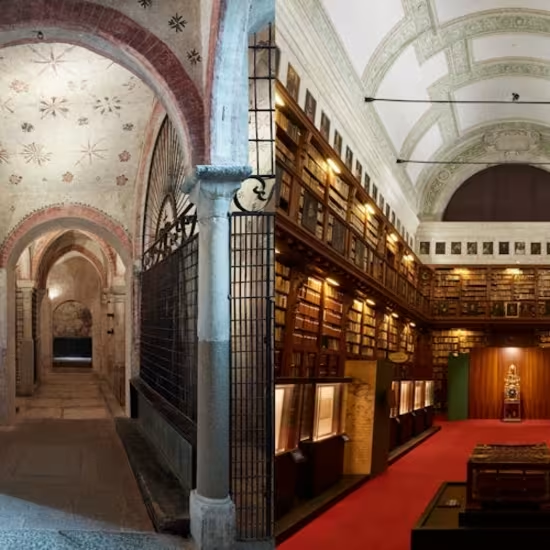
Explore the 17th-century library’s reading room displaying Leonardo da Vinci’s Atlantic Codex drawings.
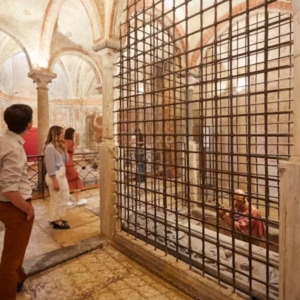
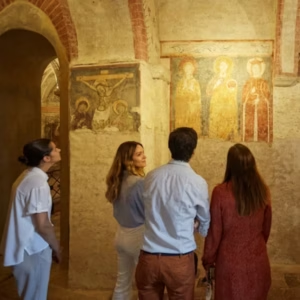
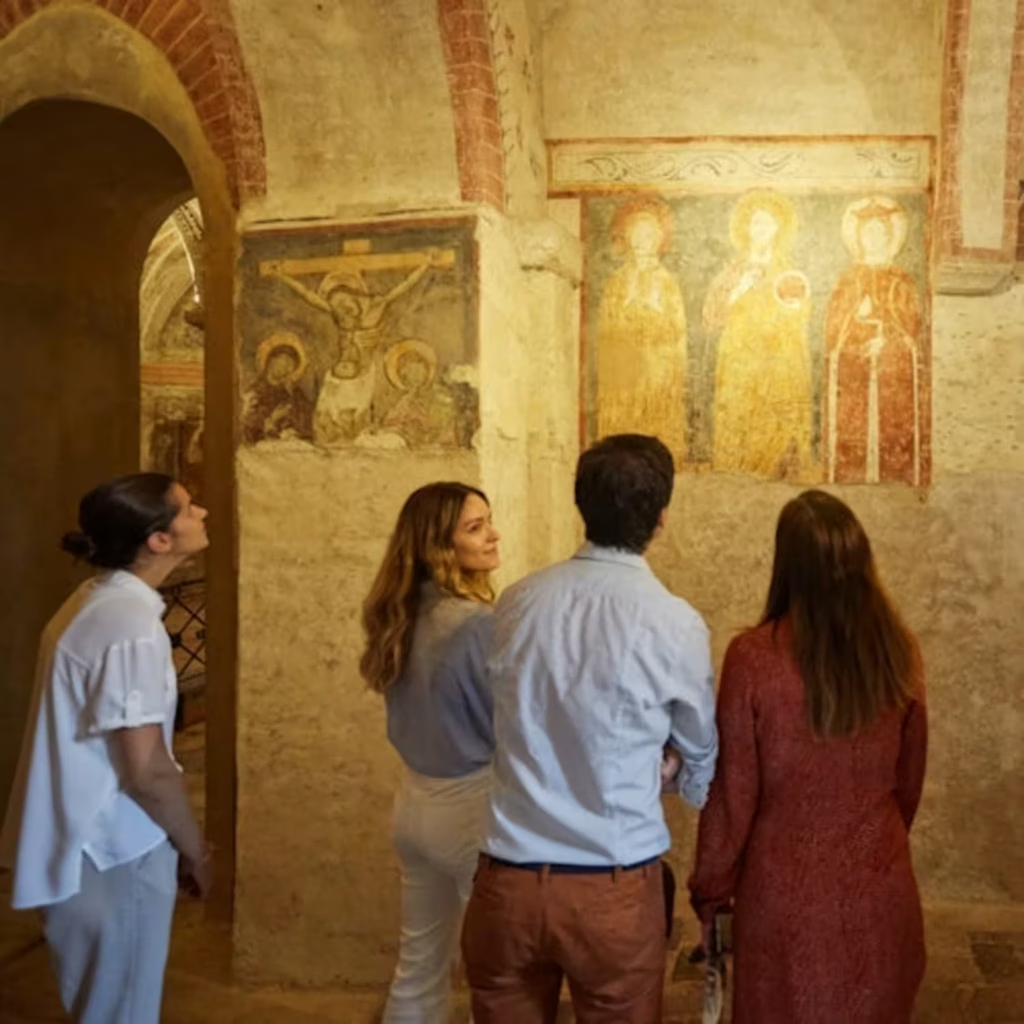
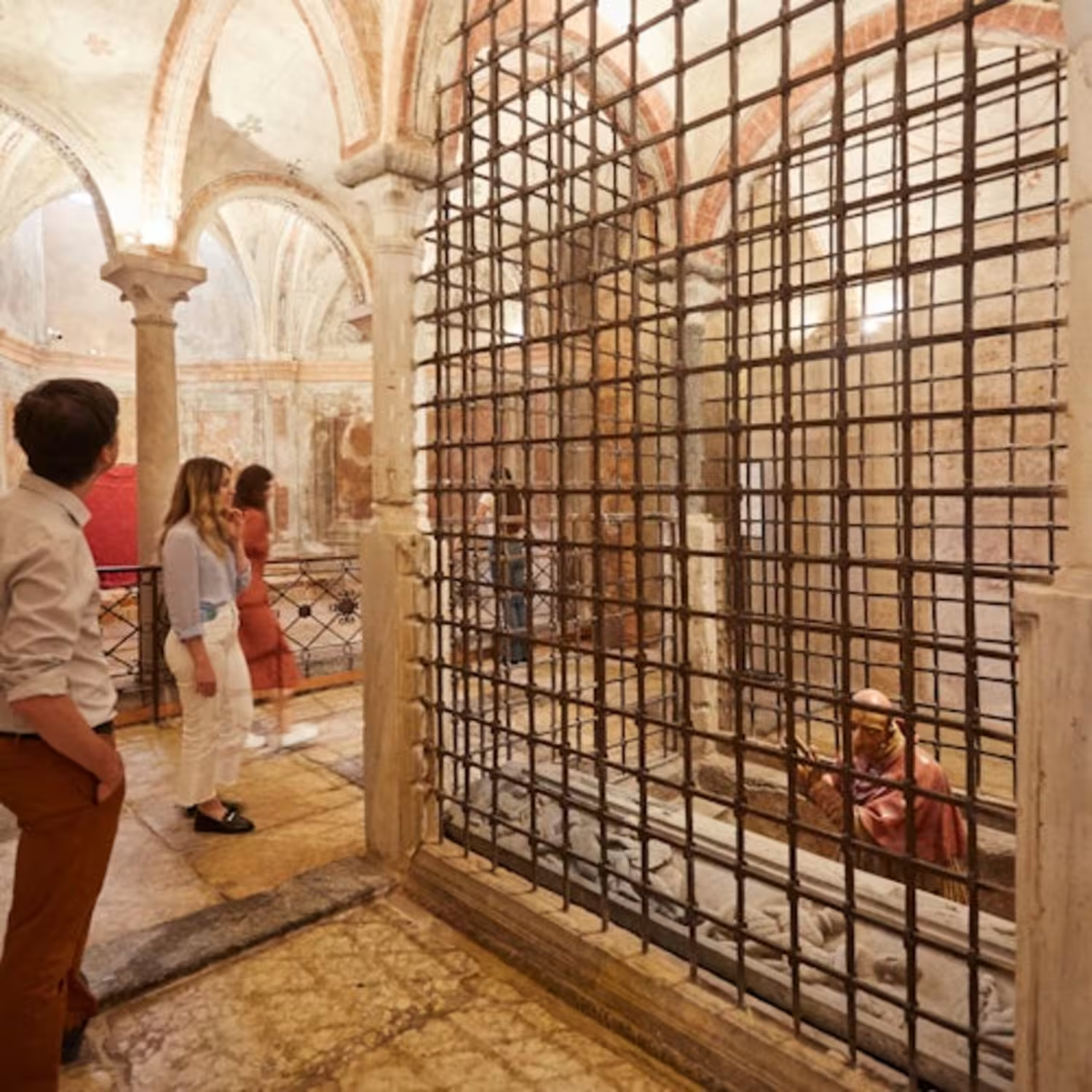
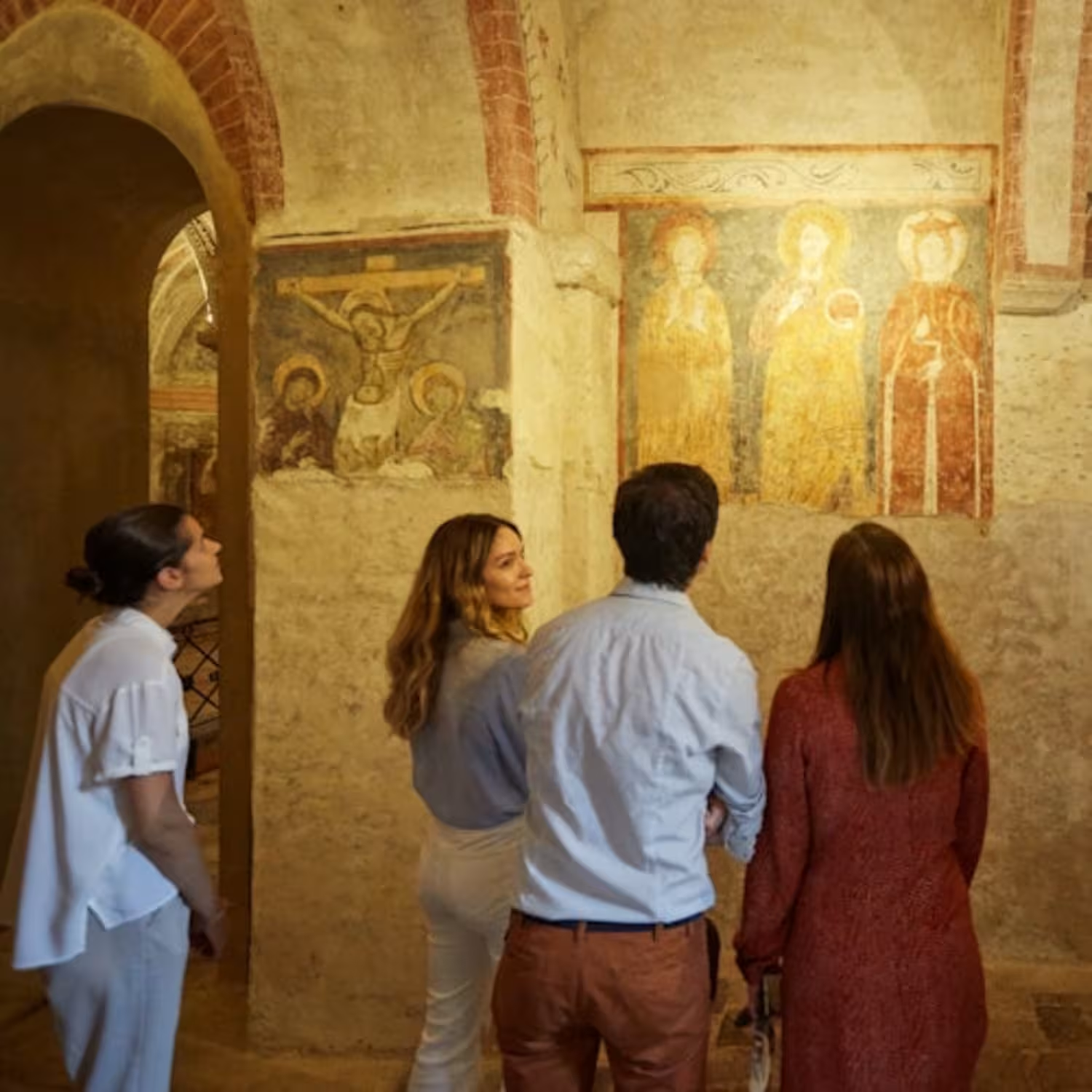
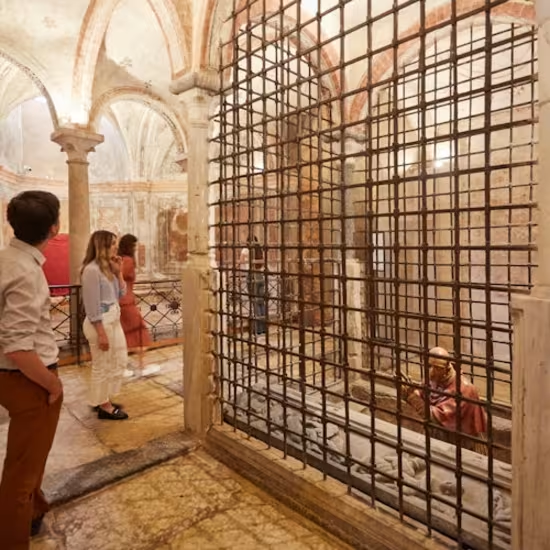
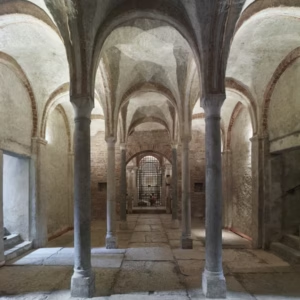
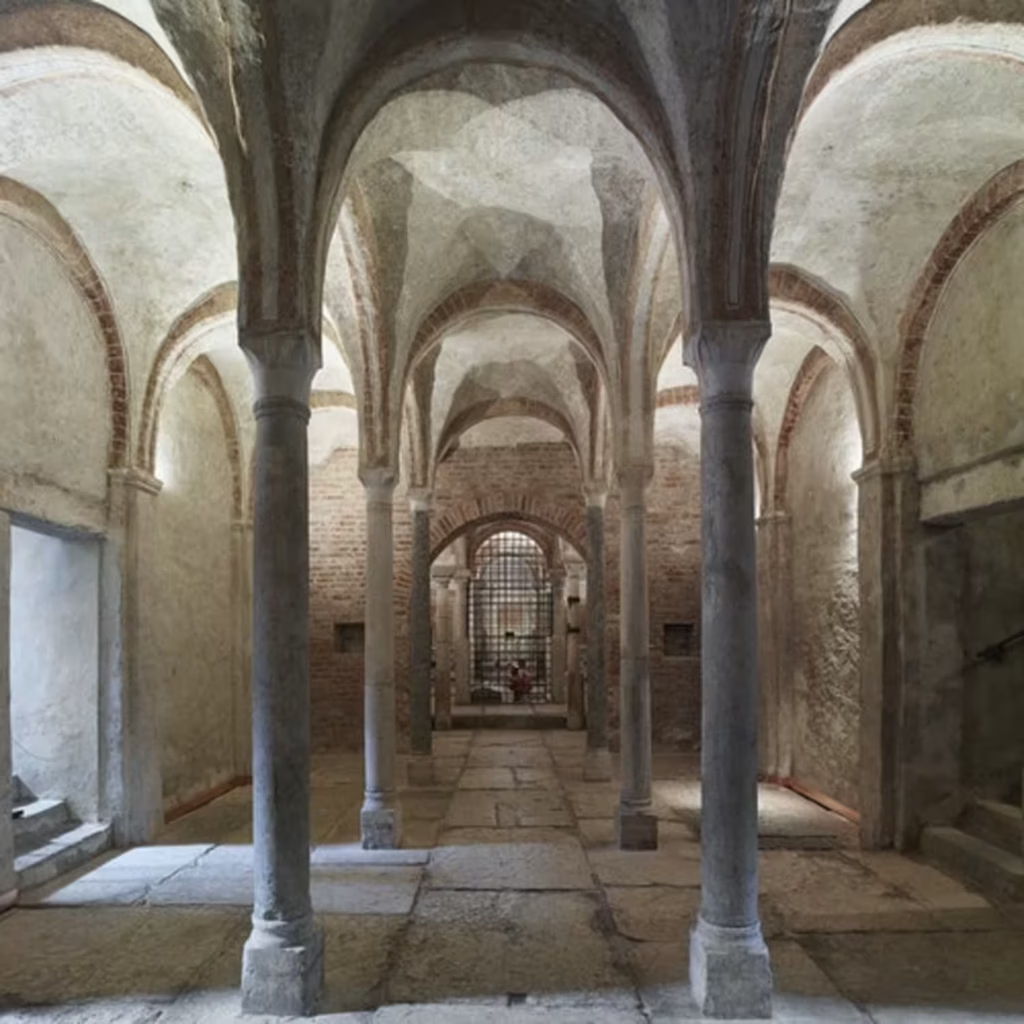
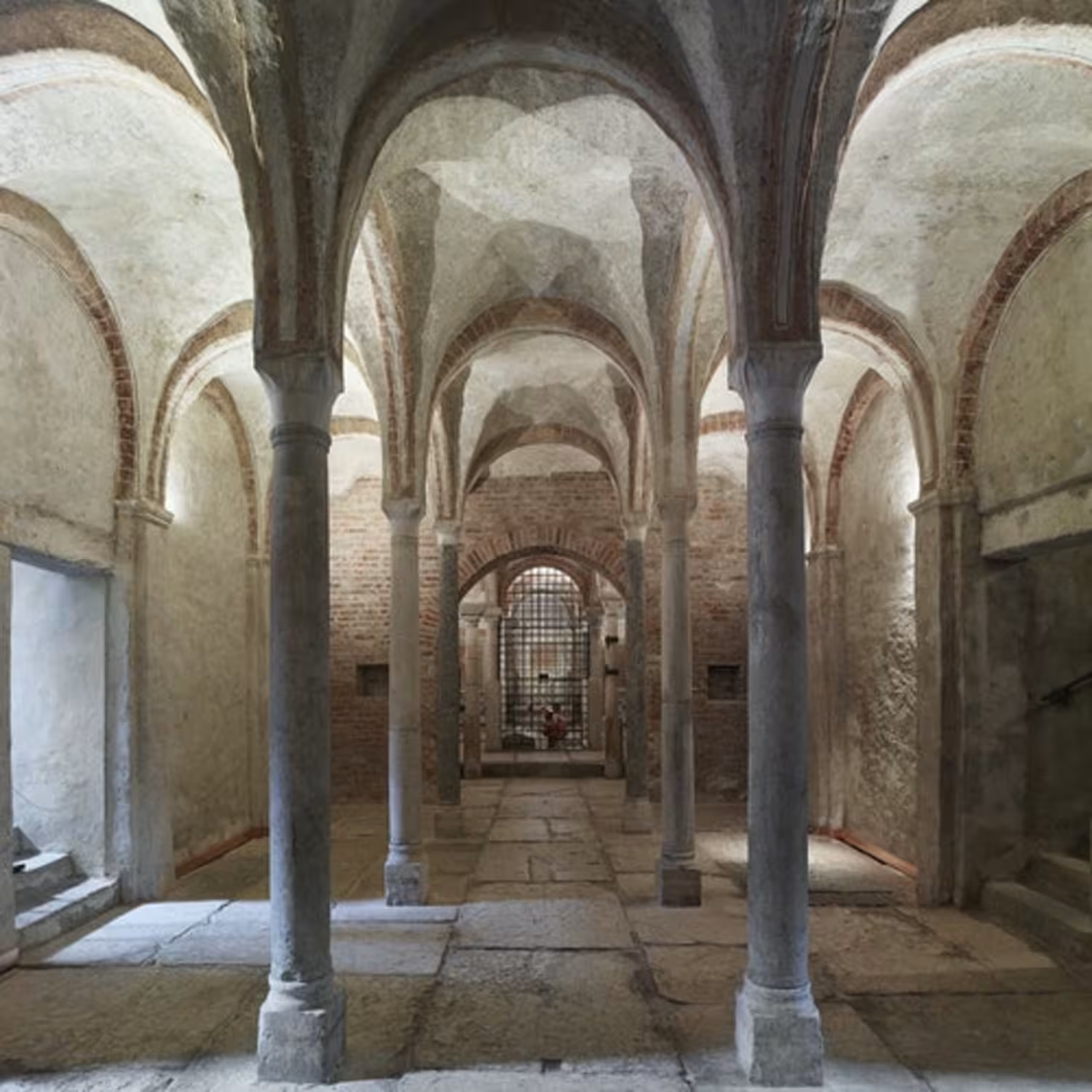
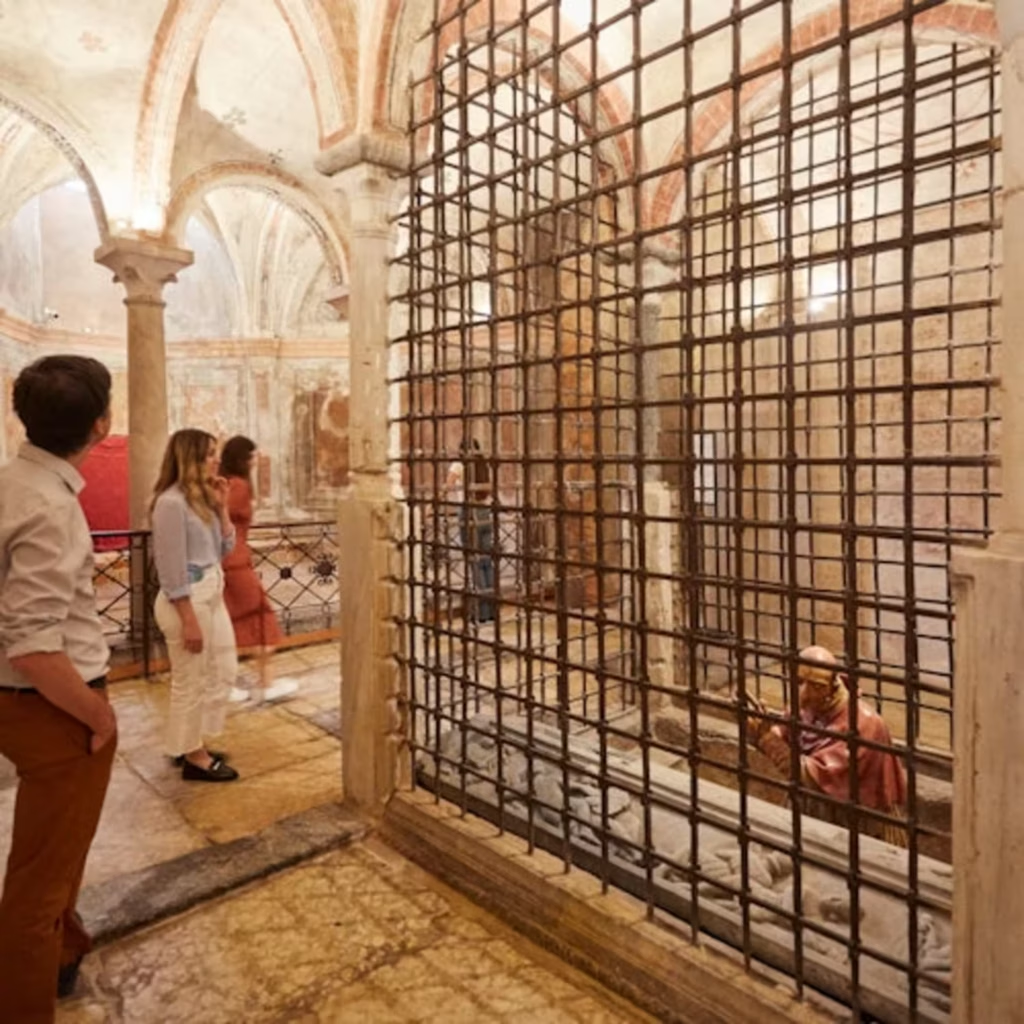
Discover the medieval underground church of the Crypt of San Sepolcro, featuring stones from Milan’s ancient forum.
Enjoy fast-track entry to both the art gallery and the crypt.
Ideal for newcomers to Milan seeking a historical and cultural immersion.
Pinacoteca Ambrosiana Tickets – Book Your Tickets Online
Discover the Pinacoteca Ambrosiana, a historic art gallery and library in the heart of Milan, home to a remarkable collection of Renaissance masterpieces and rare manuscripts. Founded in the early 17th century by Cardinal Federico Borromeo, the venue offers visitors a unique journey through centuries of artistic and cultural heritage. Explore iconic works by Leonardo da Vinci, Caravaggio, and Raphael while immersing yourself in an inspiring atmosphere that blends art and scholarship. Secure your tickets today to experience this exceptional Milanese treasure firsthand.
About Pinacoteca Ambrosiana
Timings
Opening Hours
Tuesday to Sunday, 10:00 AM – 6:00 PM.
The museum remains closed on Mondays to allow for maintenance and preservation activities.
Last Entry
Visitors are admitted until 5:30 PM, giving enough time to explore the galleries before closing.
Best Time to Visit
Weekday Mornings: Enjoy a peaceful atmosphere and the chance to admire masterpieces by Leonardo da Vinci, Raphael, and Caravaggio without large crowds.
Late Afternoons: Ideal for a relaxed visit, when the museum is quieter and the lighting enhances the details of many artworks.
Avoid Peak Hours: Midday weekends and public holidays tend to be busier, especially during special exhibitions.
Address
- Address
- Directions
Things to Know Before Visiting the Pinacoteca Ambrosiana
The museum is generally open daily from 10:00 AM to 6:00 PM, but it is closed on Wednesdays, with some exceptions during holidays.
A minimum visit time of 90 minutes is recommended to fully experience the collection.
Tickets can be purchased online in advance, including general admission, VIP, and guided tour options.
Combined tickets with Leonardo da Vinci’s Last Supper are available for a comprehensive cultural experience.
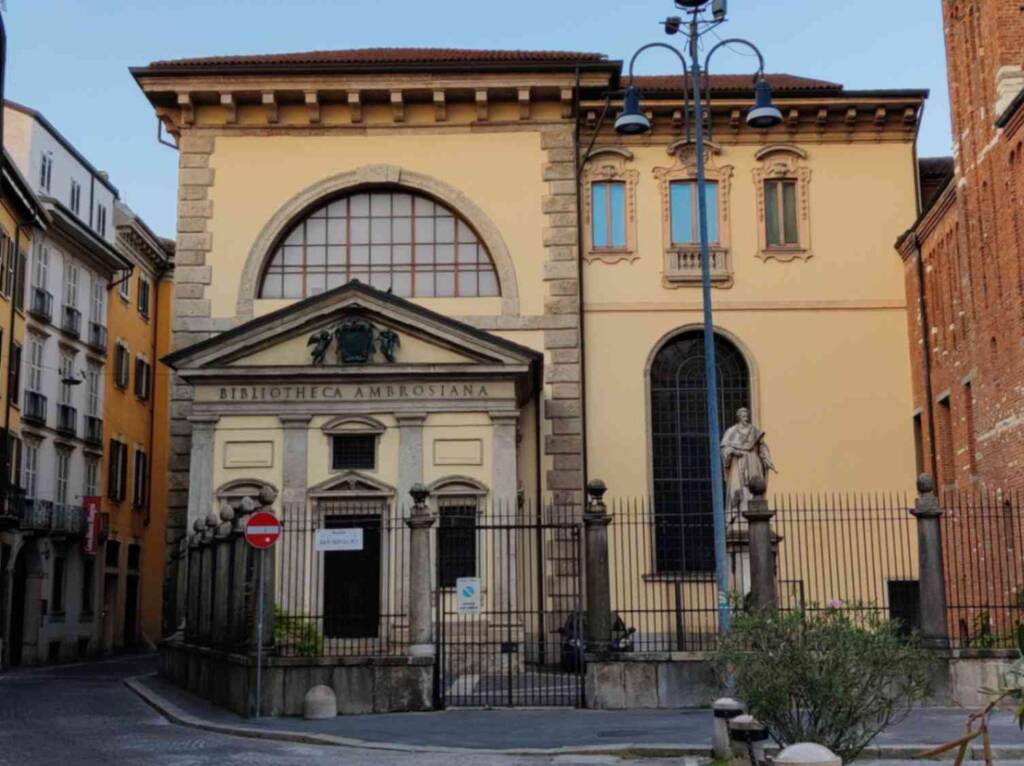
The venue is located at Piazza Pio XI, 2, in central Milan, near the Milan Cathedral.
There are no age restrictions, making the museum suitable for all ages, but children should be supervised.
Security measures are in place to protect valuable artworks and manuscripts; large bags may be subject to inspection.
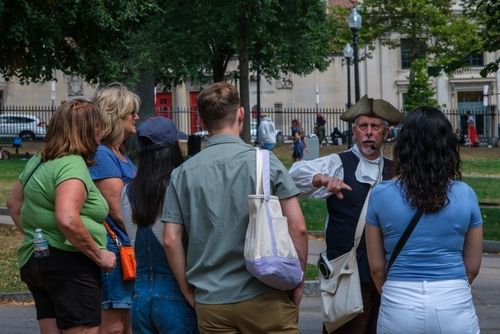
Guided tours and educational visits can be booked to enhance understanding of the exhibits.
Visitors are expected to observe museum rules to ensure a respectful environment.
The collection features delicate manuscripts and artifacts, so photography may be restricted in certain areas.
Pinacoteca Ambrosiana – Facilities Additional Info
- Facilities
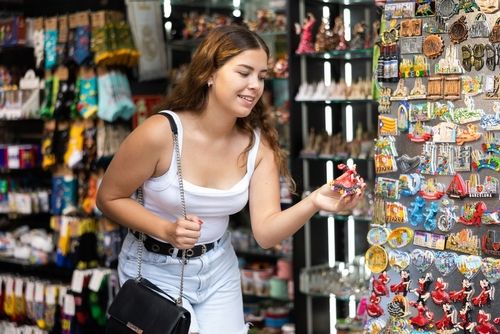
- Souvenir Stores
- Special Events
Accessibility Facilities at Pinacoteca Ambrosiana
For visually impaired visitors, the Pinacoteca Ambrosiana offers tailored support to enhance their experience of the art and manuscripts. Tactile exhibits and detailed audio descriptions may be available to provide greater context and understanding of selected works. Visitors are encouraged to inquire in advance or upon arrival about the availability of these resources, allowing staff to assist with accessible materials or guided support as needed.
Visitors with physical disabilities can access the Pinacoteca’s facilities via barrier-free entrances and elevators designed to ensure comfortable movement throughout the museum's 24 rooms. Wheelchairs may be accommodated, and assistance from staff is provided to facilitate smooth navigation. It is advisable to notify the ticket office or booking platform when reserving tickets to arrange any specific accessibility needs.
For those with hearing impairments, the venue may provide written guides and visual aids that supplement the exhibits, ensuring visitors do not miss important information during their visit. Additionally, private guided tours with sign language interpreters can be arranged upon request, usually requiring advance booking to secure interpreter availability and a tailored tour experience. Visitors are recommended to specify their needs during the ticket purchase or tour inquiry stage.
Interesting Facts About Pinacoteca Ambrosiana
Houses Leonardo da Vinci’s Codex Atlanticus, the largest collection of his scientific drawings and sketches.
Preserves a lock of Lucrezia Borgia’s hair, a relic that inspired writers such as Lord Byron.
Displays Napoleon’s gloves, worn during the Battle of Waterloo, among other rare artifacts.
Founded in 1618 by Cardinal Federico Borromeo, who donated his personal art and manuscript collection.
Recognized as one of the first public art galleries and libraries accessible to everyone.
Features the original cartoon for Raphael’s “The School of Athens”, a highlight of Renaissance art.
The Ambrosiana Library pioneered modern design by replacing chained books with brass-grille shelving.
Served as an important cultural and intellectual center during the Counter-Reformation, promoting Catholic scholarship.
Though damaged during World War II, most of its manuscripts and artworks were safely preserved.
Holds a diverse manuscript collection in Greek, Hebrew, Arabic, and Persian, reflecting centuries of global exchange.