
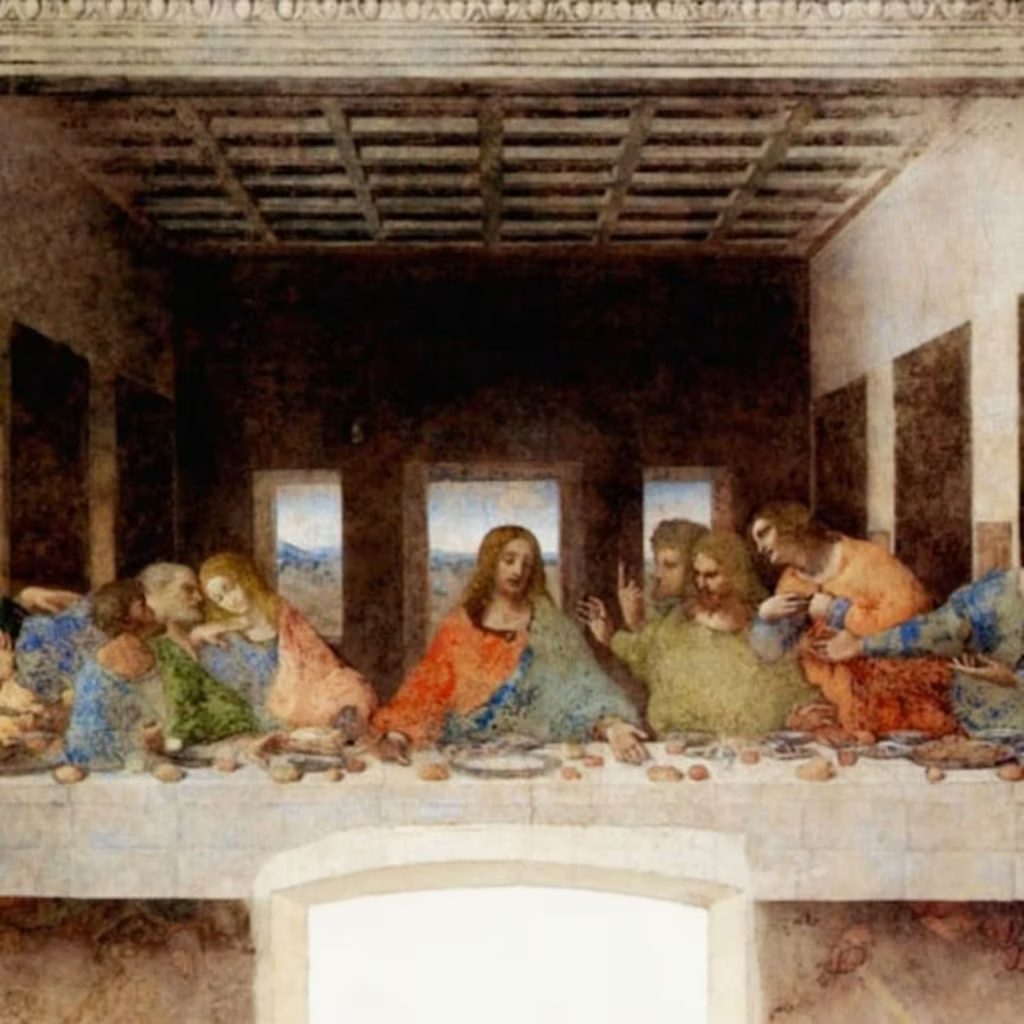
About The Last Supper: Leonardo da Vinci's Milan Masterpiece
Leonardo da Vinci painted The Last Supper for a duke's dining hall between 1495 and 1498, using a technique that started ruining it almost immediately. It has survived a bombing, centuries of neglect, and one of the longest restorations ever attempted on a single artwork. This page covers that history, not visit logistics like opening times or how to book.
Why The Last Supper Still Matters
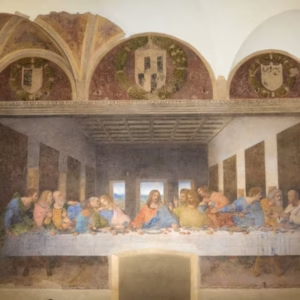
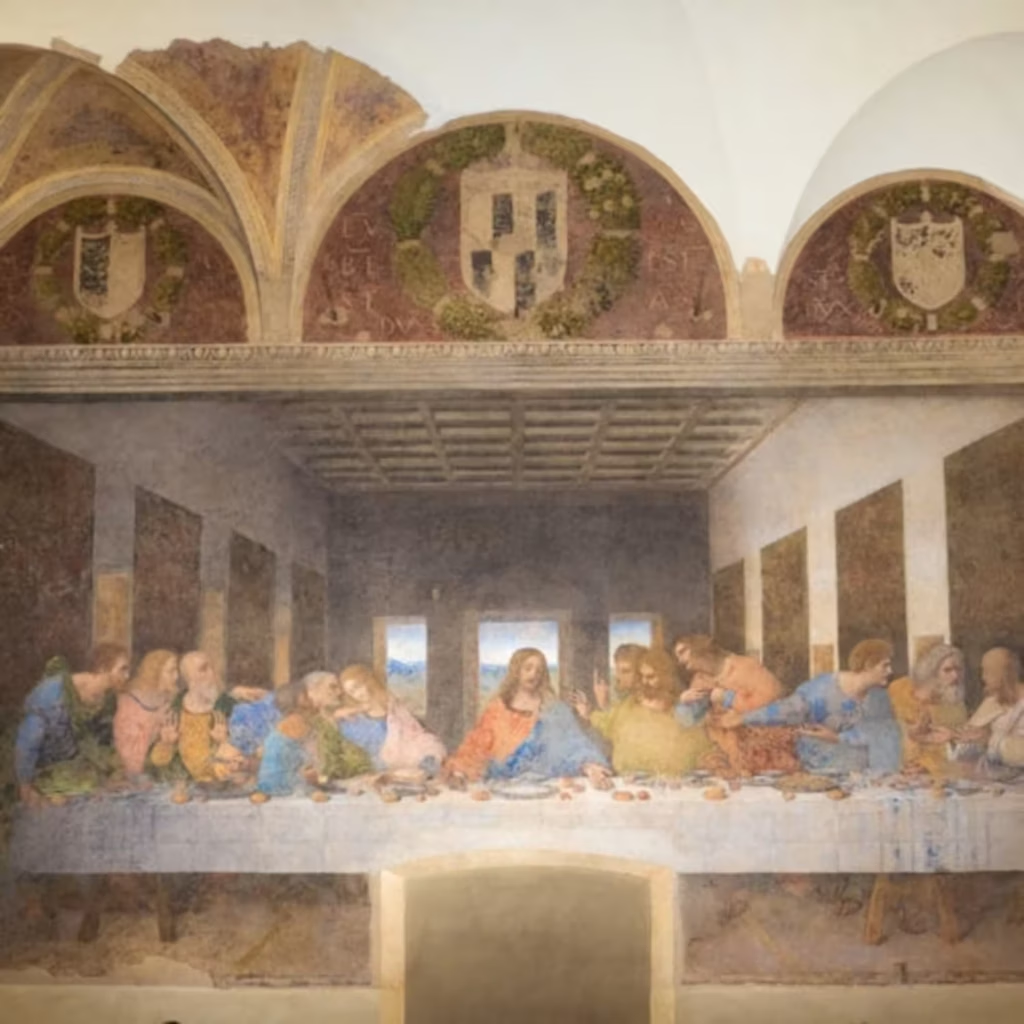
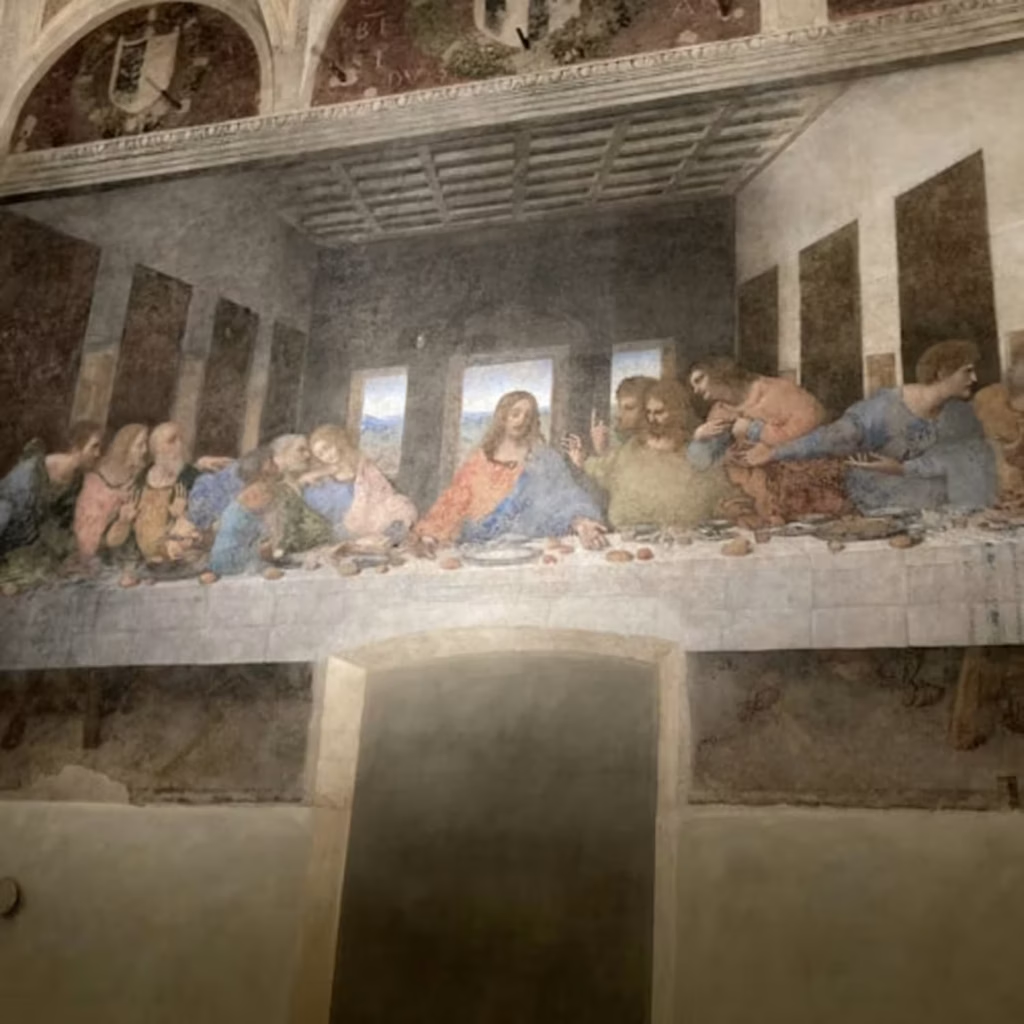
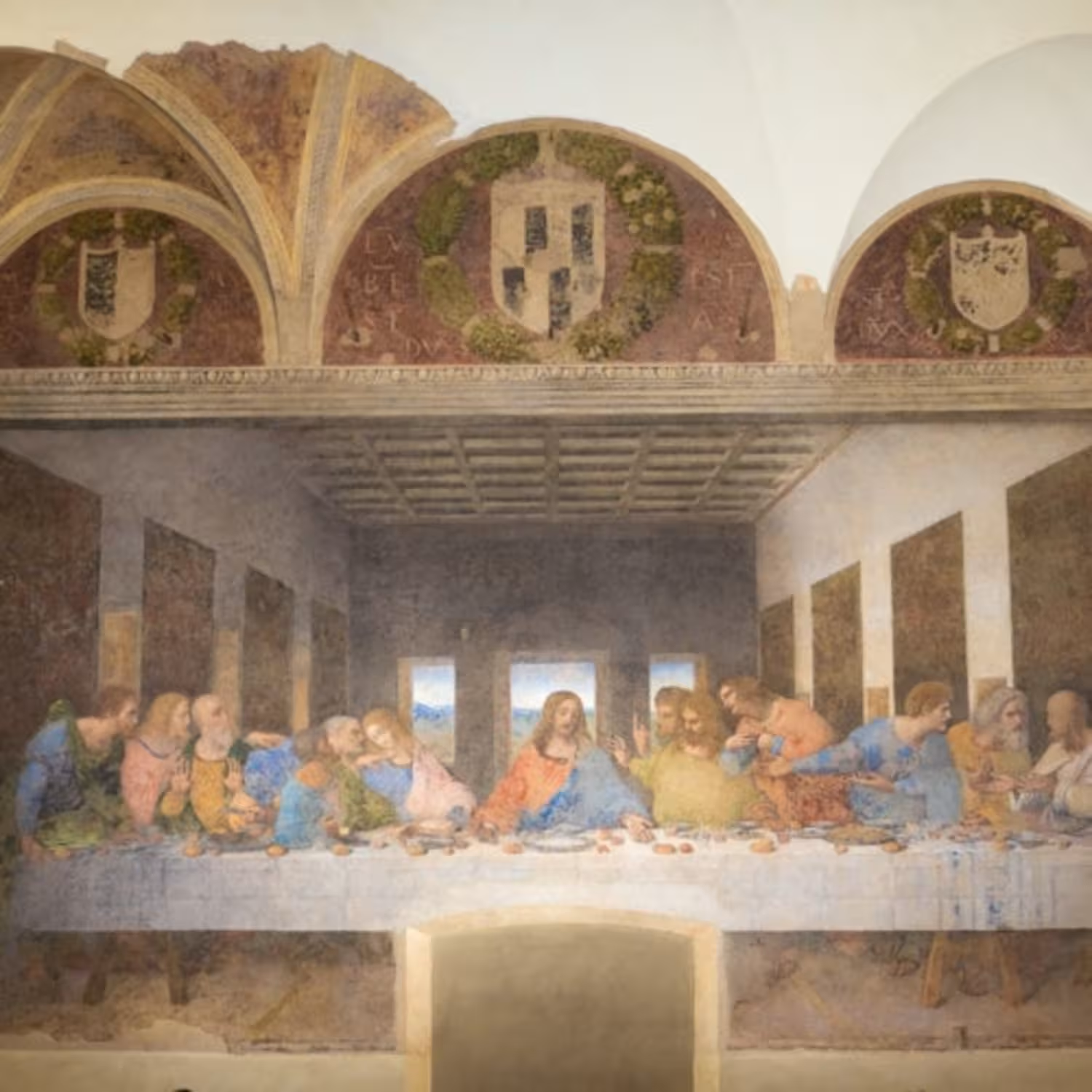
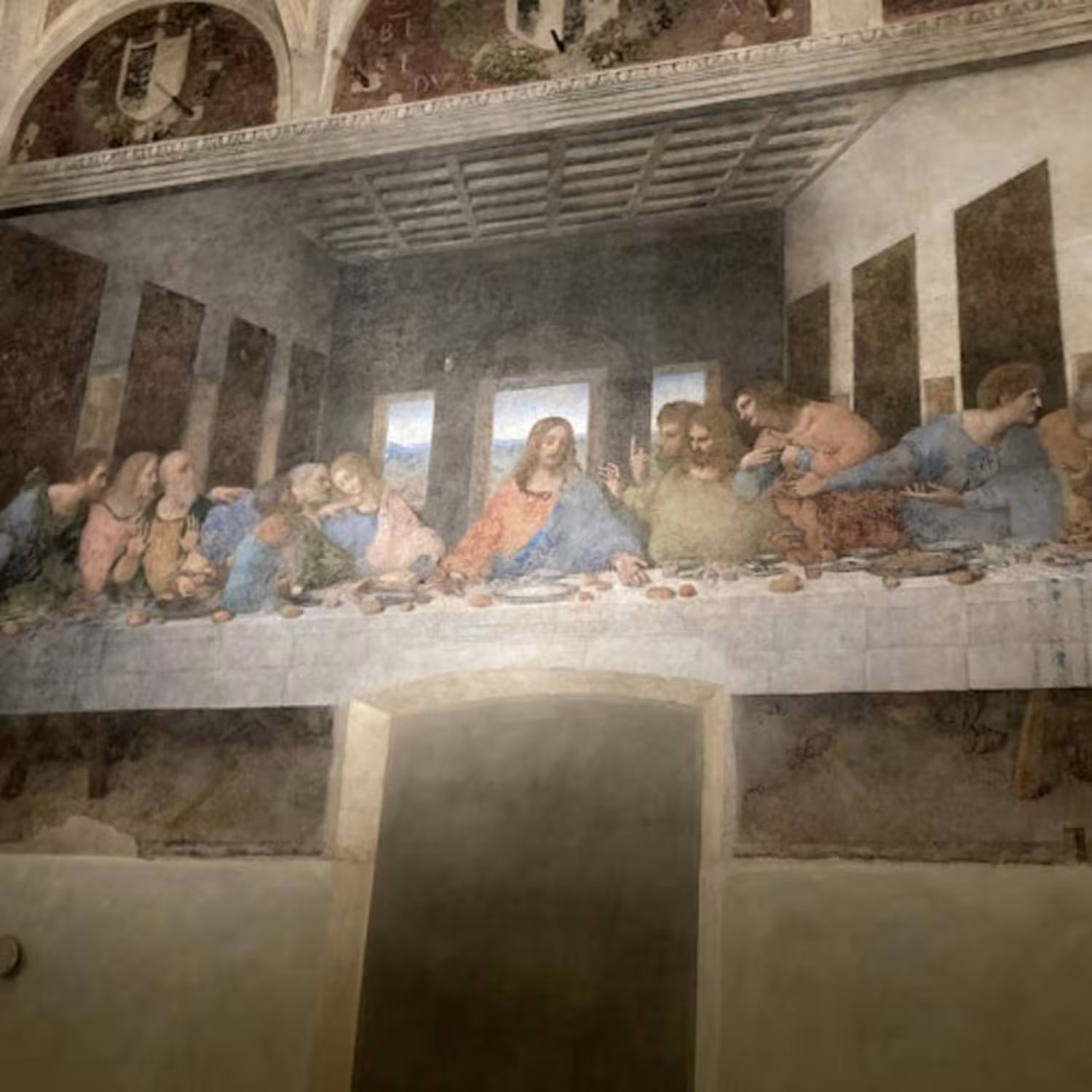
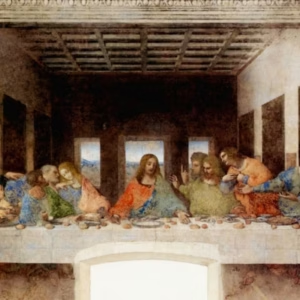
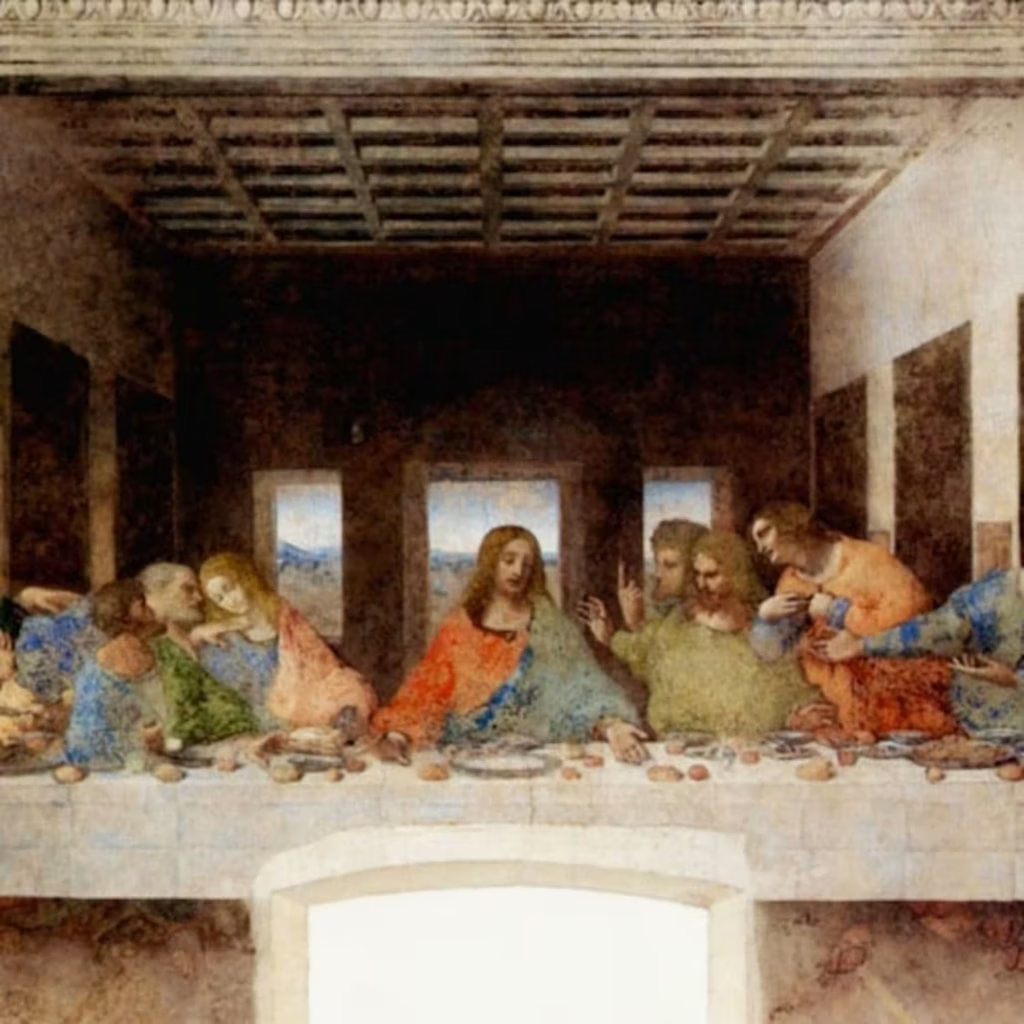
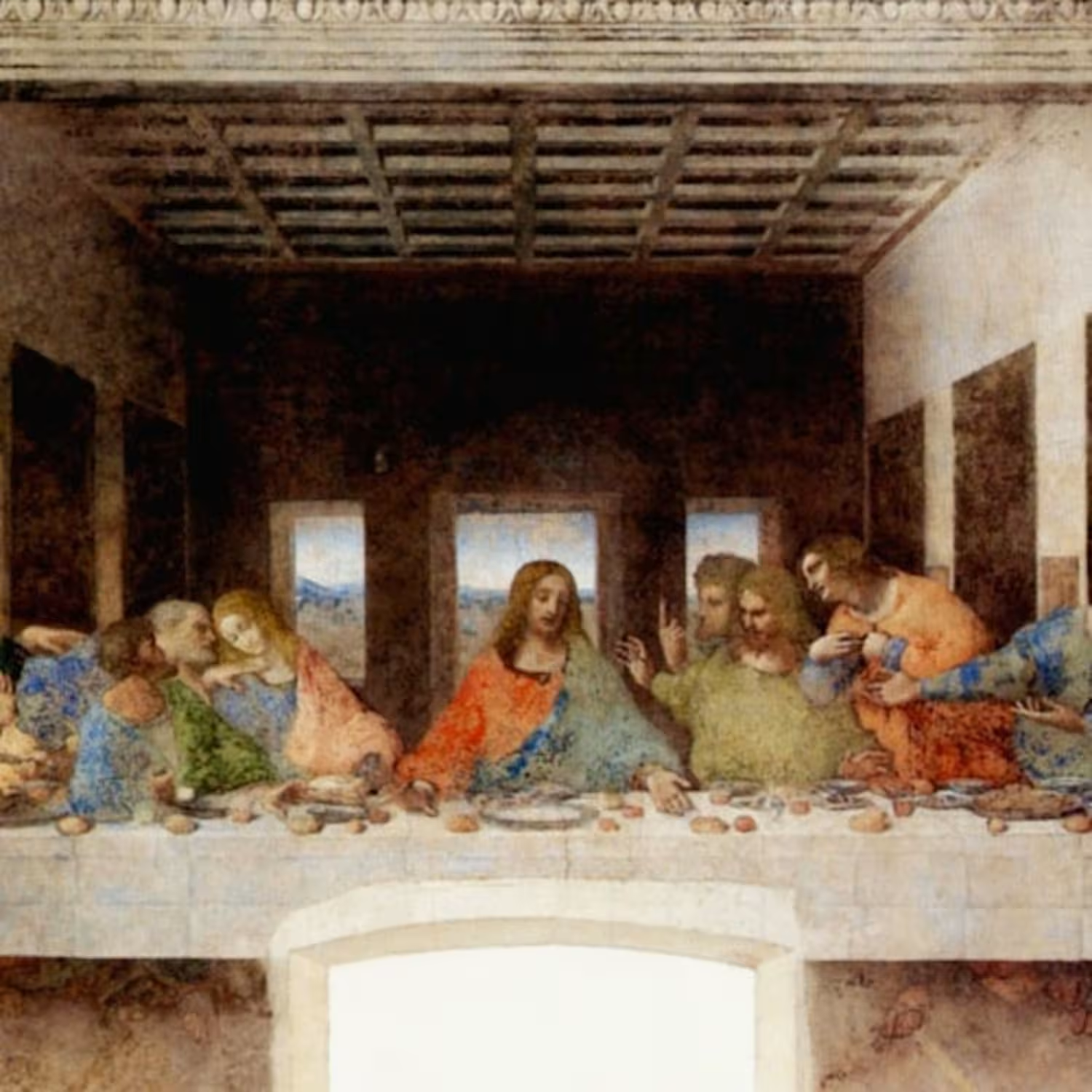
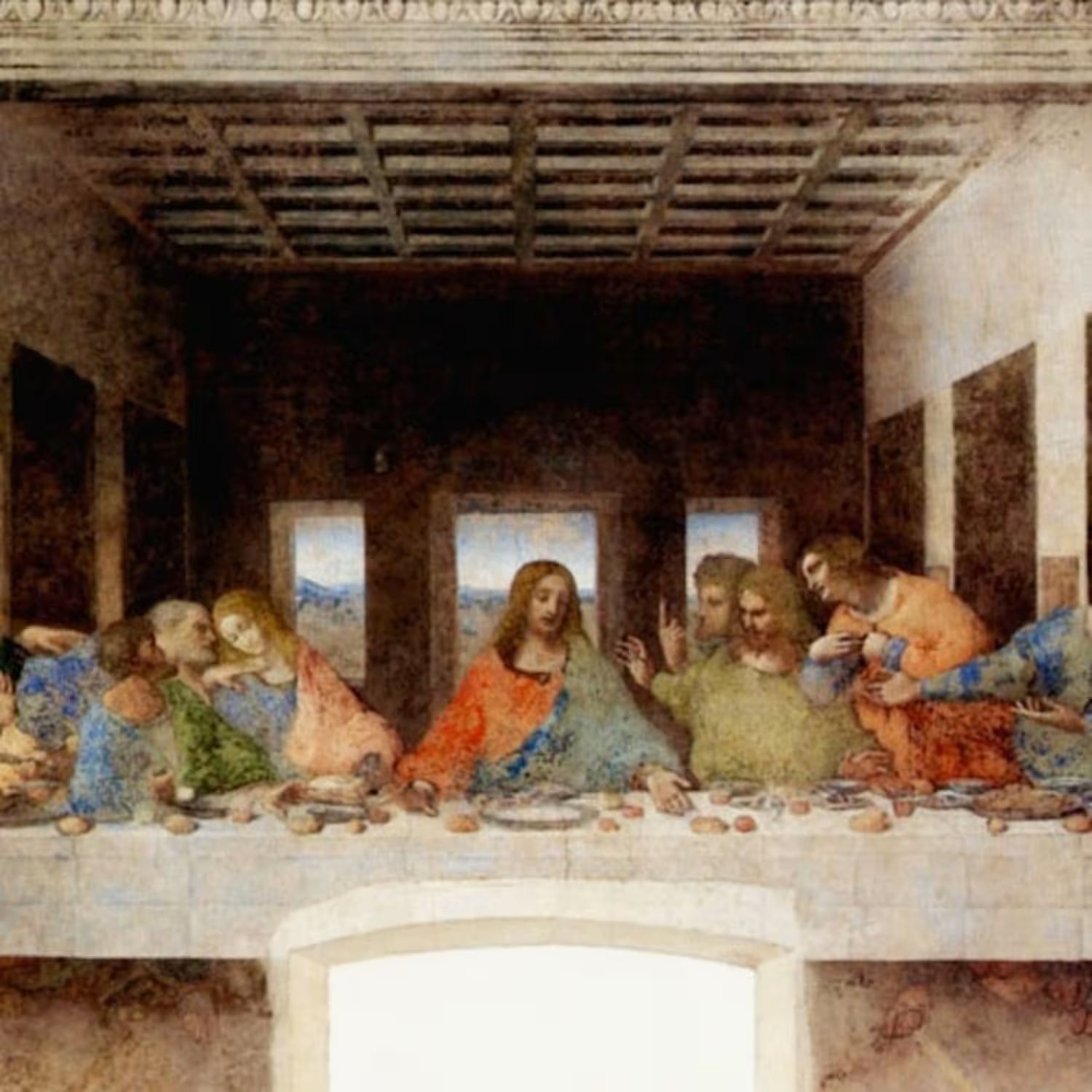
One of the most reproduced paintings in the world, painted by Leonardo da Vinci between 1495 and 1498 for Duke Ludovico Sforza.
Captures a single dramatic instant: the moment Jesus tells the twelve apostles that one of them will betray him.
Leonardo painted it in tempera on dry plaster rather than true fresco, a choice that let him work slowly and revise but caused the paint to start flaking within his own lifetime.
Survived an Allied bombing raid on 15 August 1943 that destroyed most of the refectory around it; the wall carrying the painting was protected by sandbags.
Underwent a 21-year technical restoration, completed in 1999, that removed centuries of overpainting and stabilized what was left of the original surface.
Shares its refectory with a second, less famous mural: Donato Montorfano's Crucifixion, painted on the opposite wall in the same years.
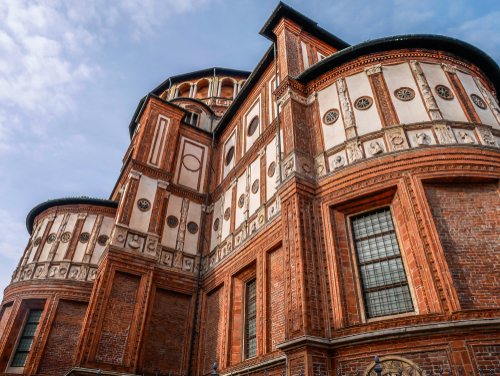
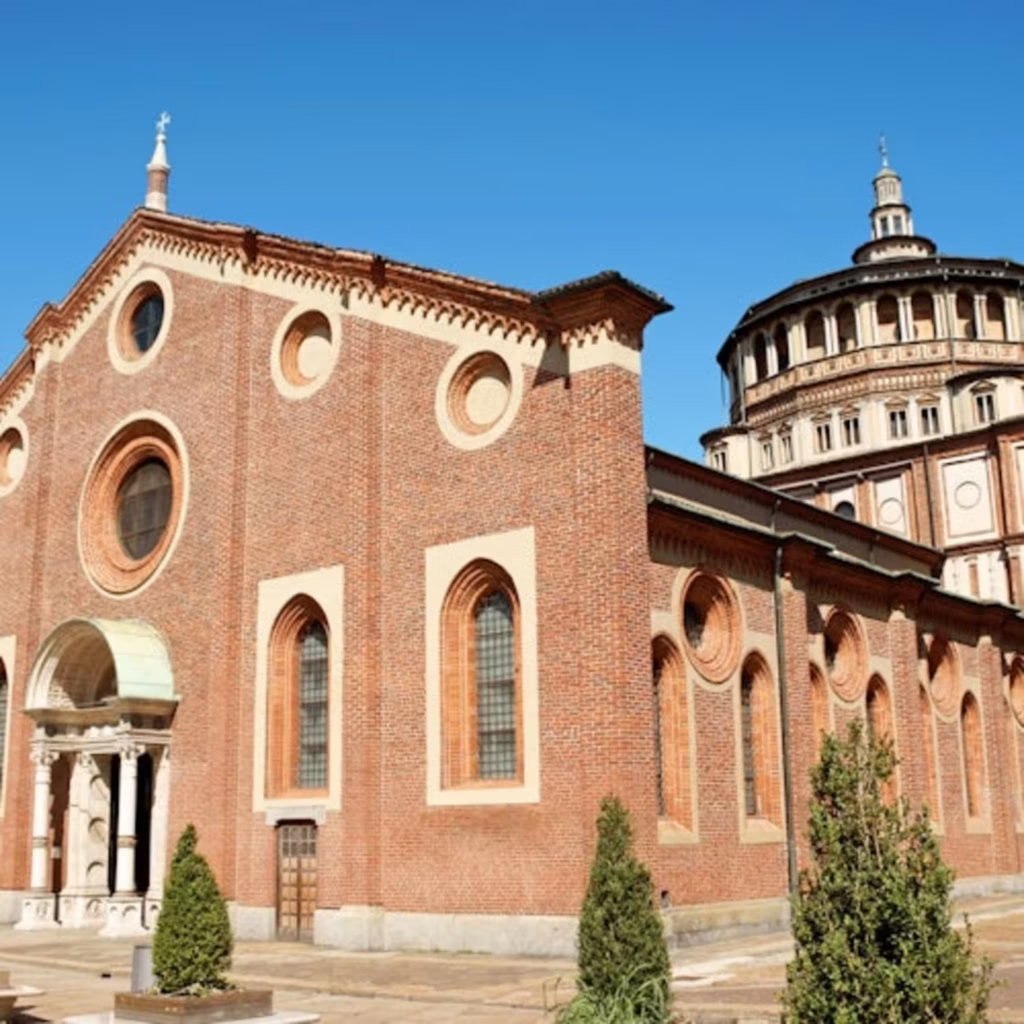
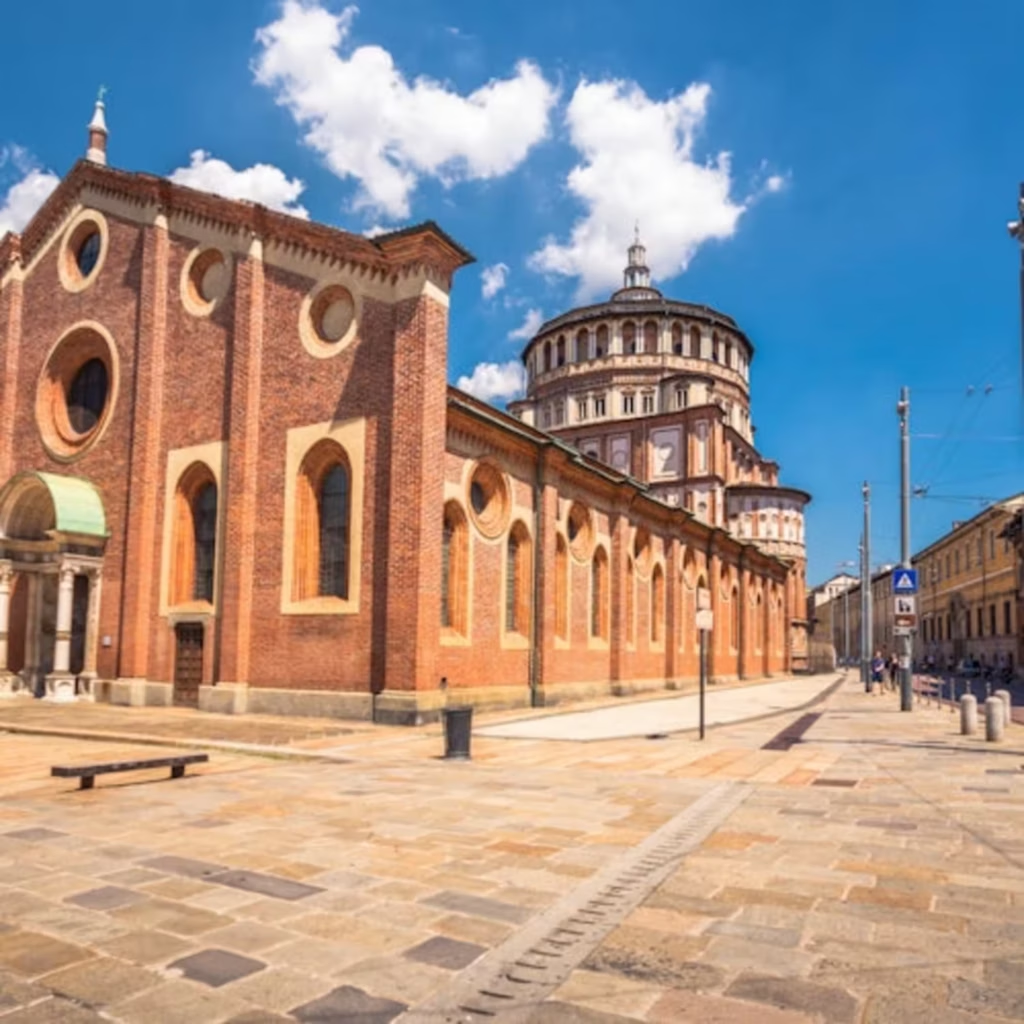
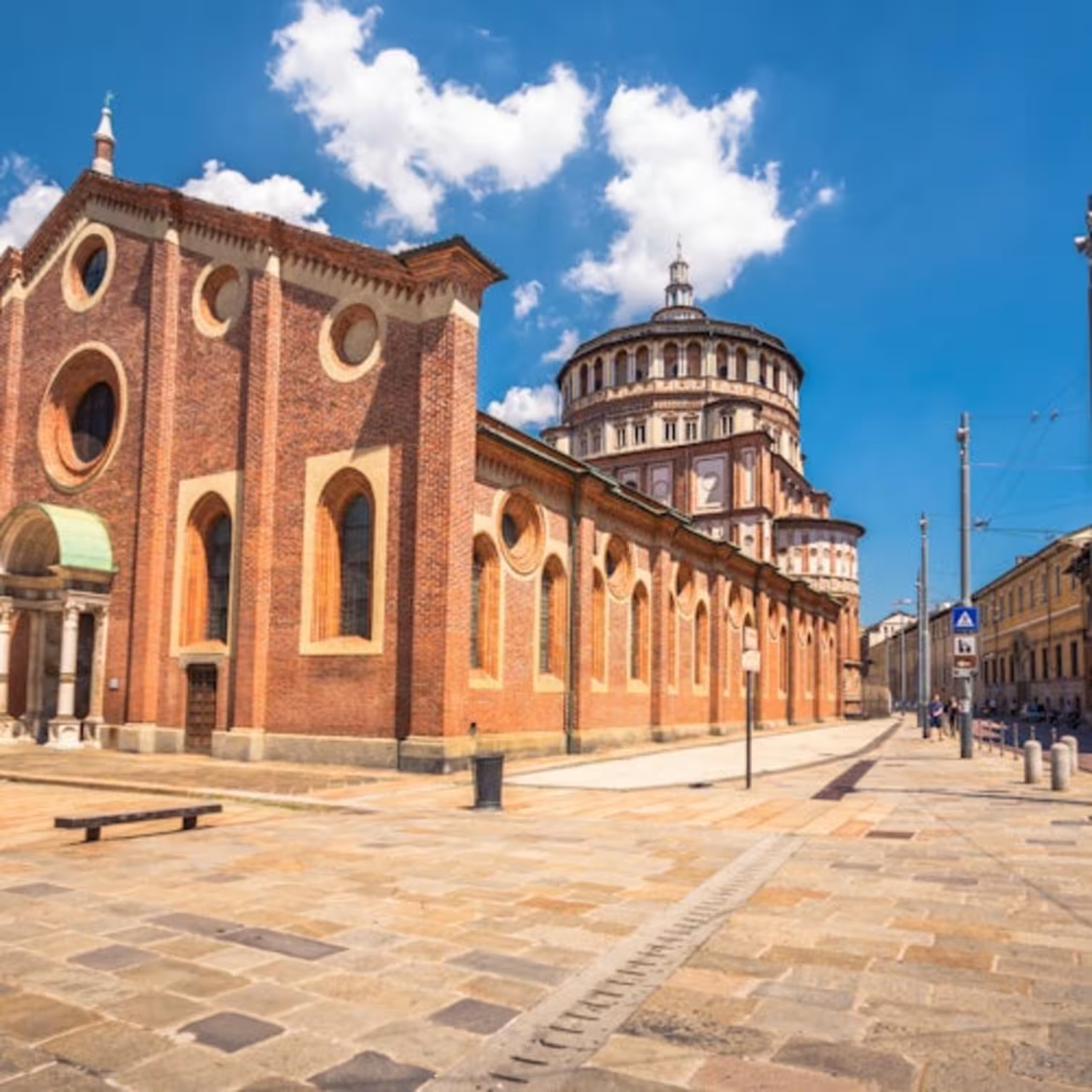
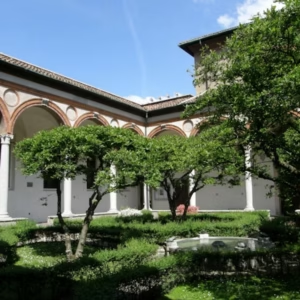
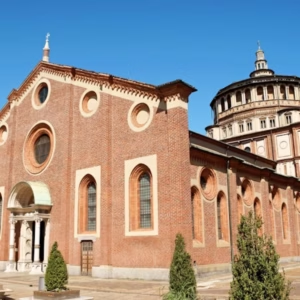
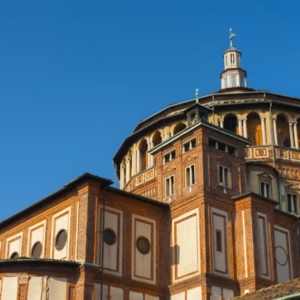
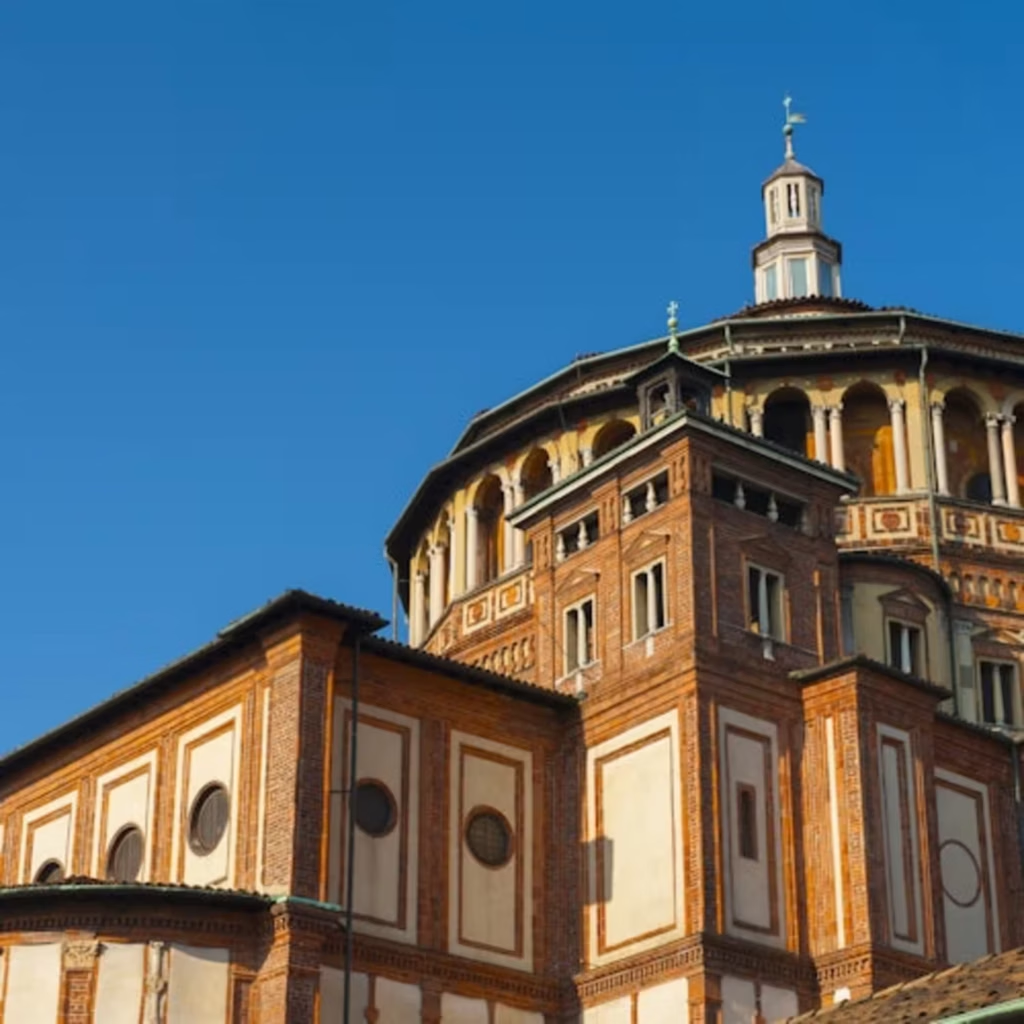
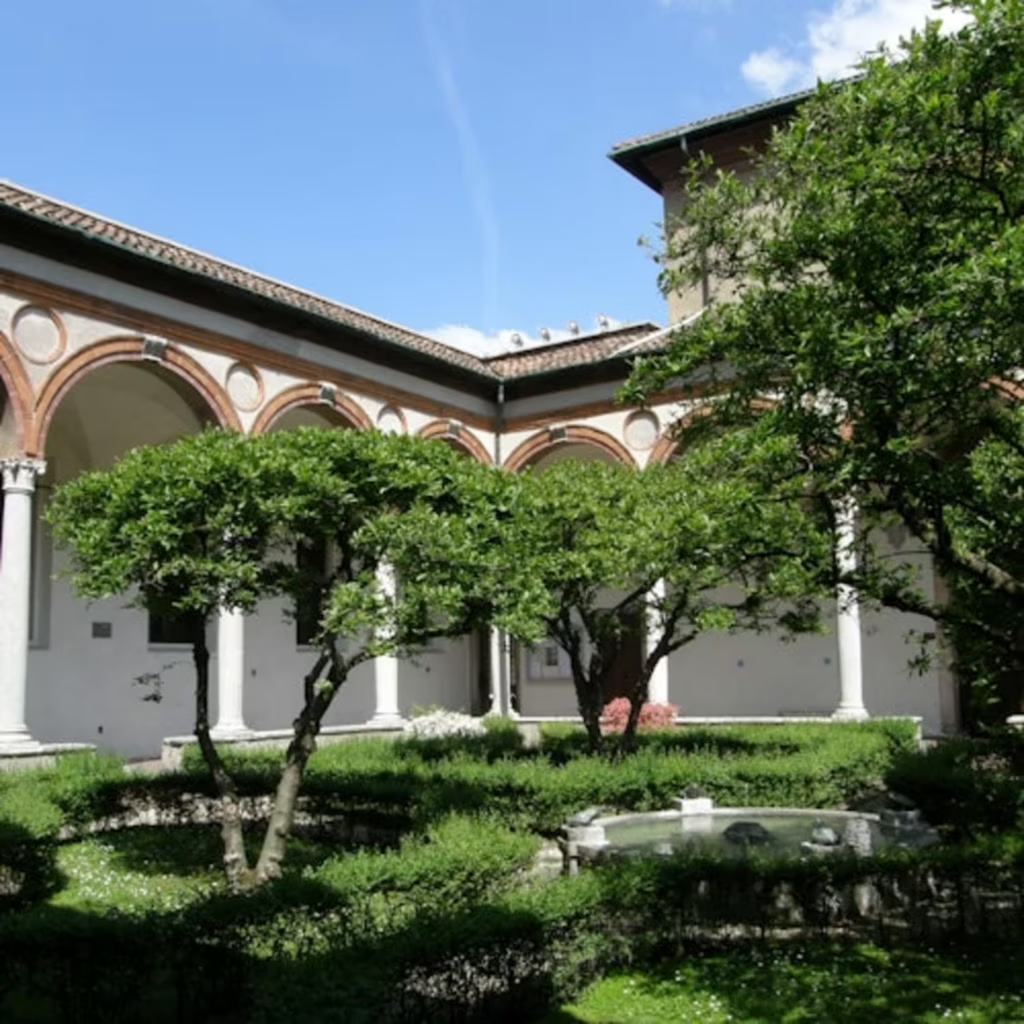
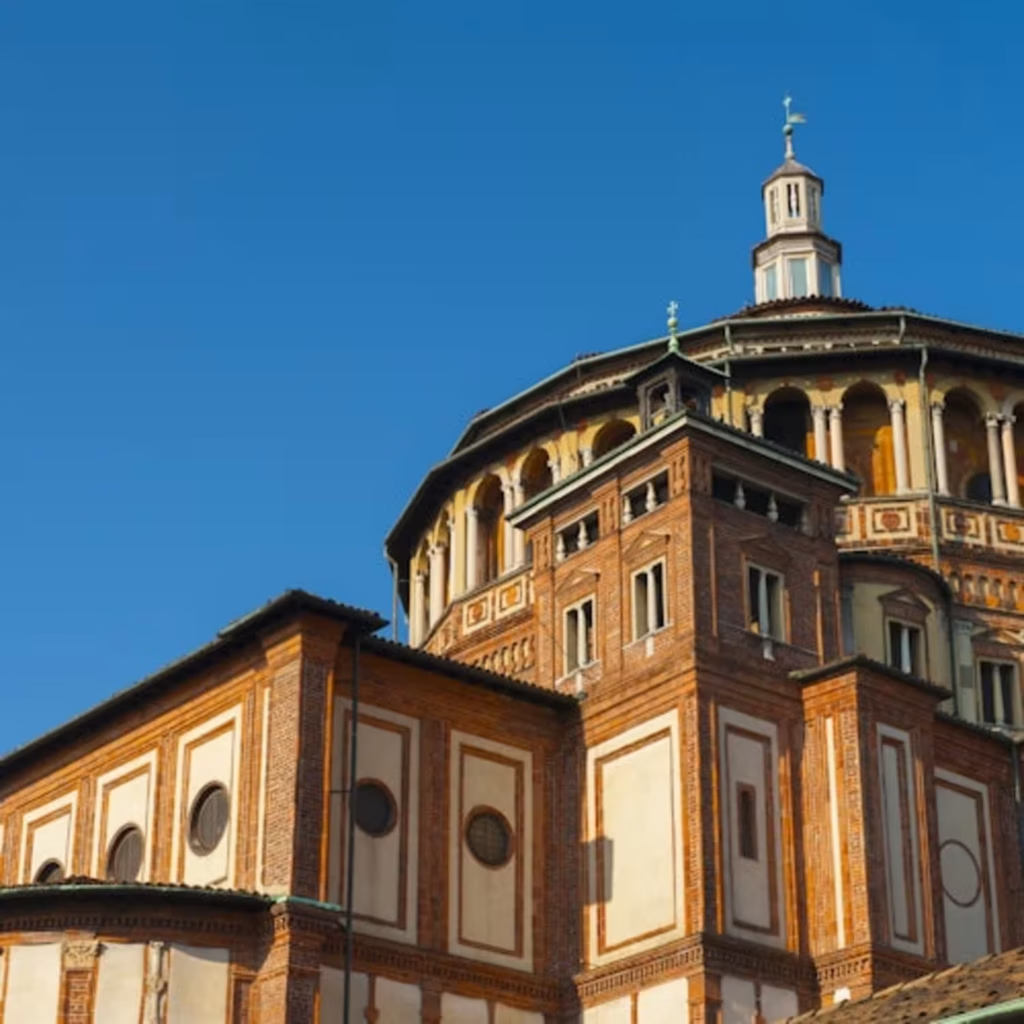
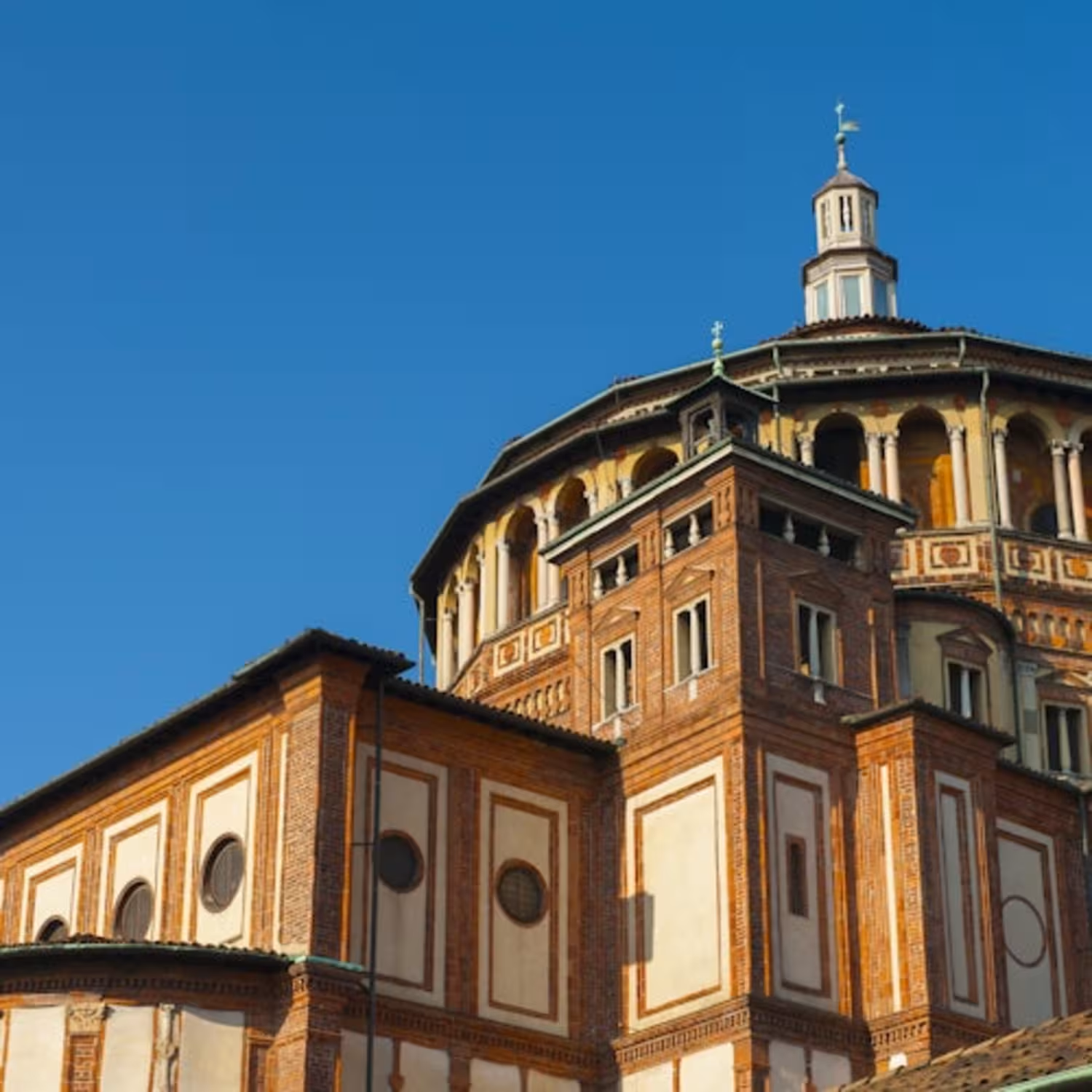
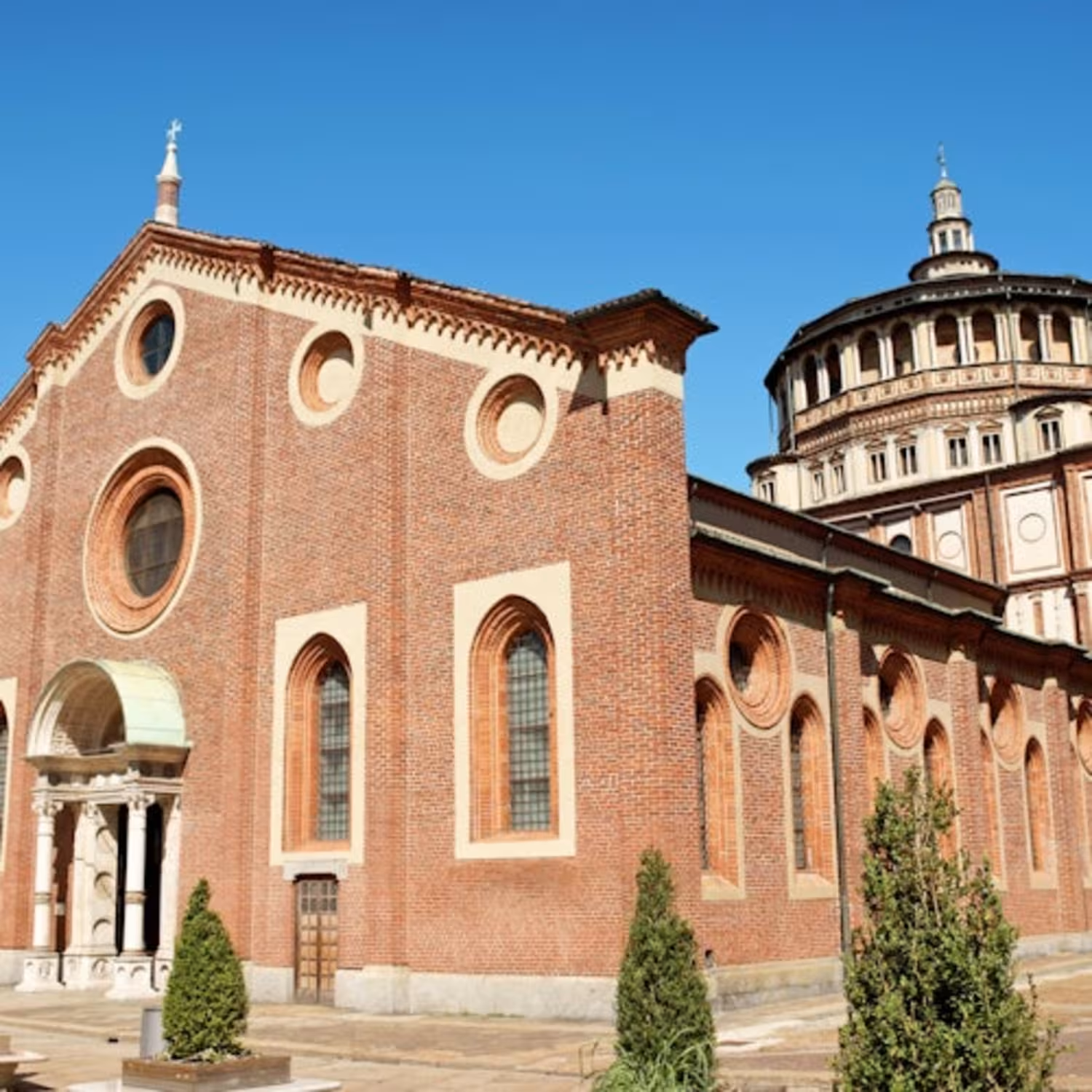
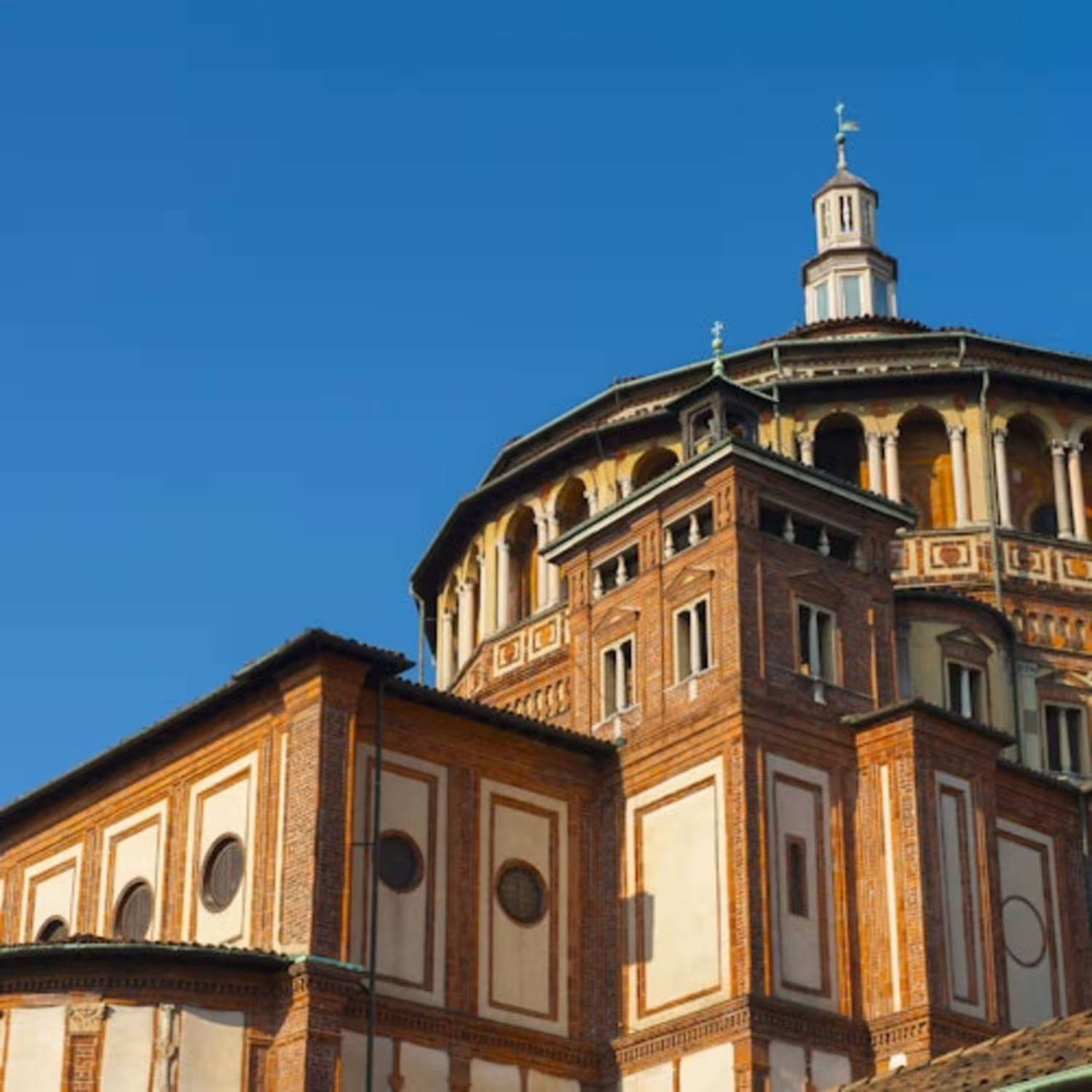
Part of a UNESCO World Heritage Site since 1980, together with the church and Dominican convent of Santa Maria delle Grazie that houses it.
A Duke's Commission, a Technique That Doomed Itself
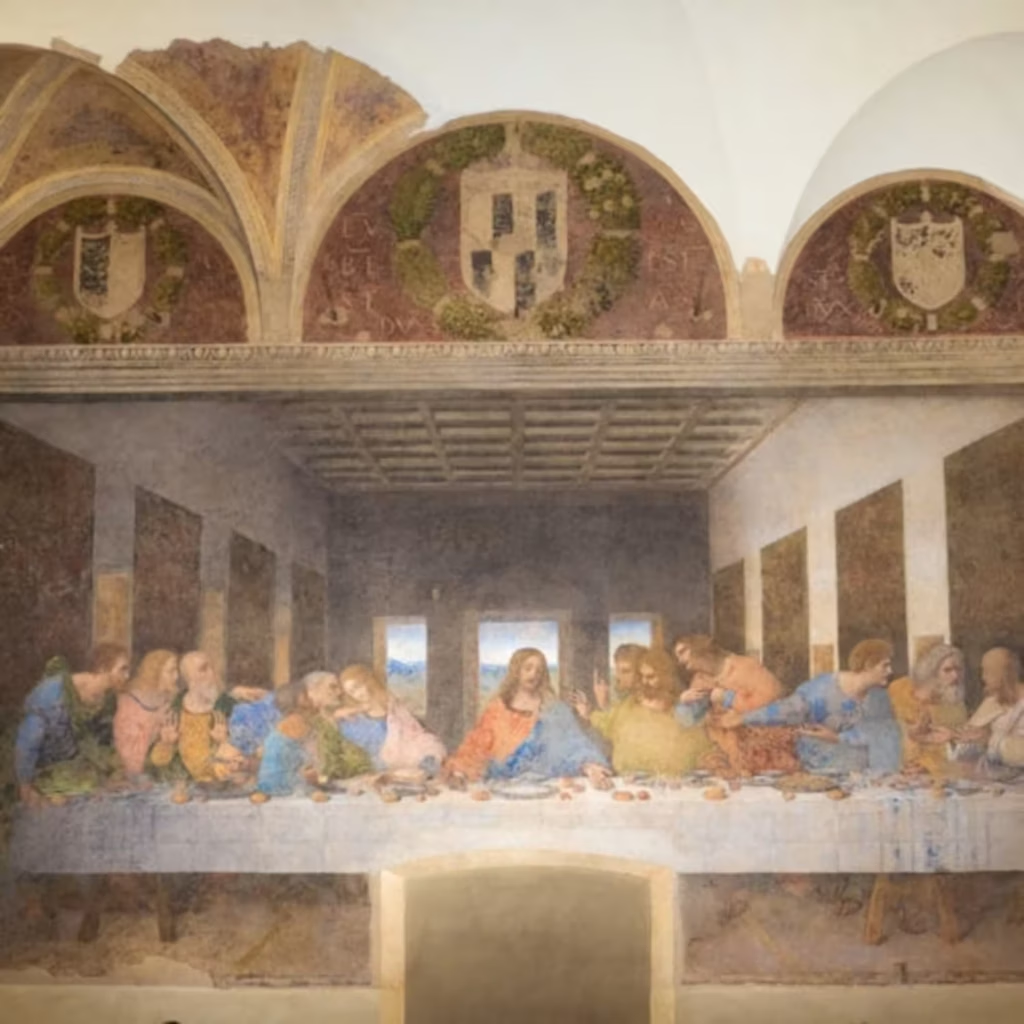
Inside the Refectory of Santa Maria delle Grazie
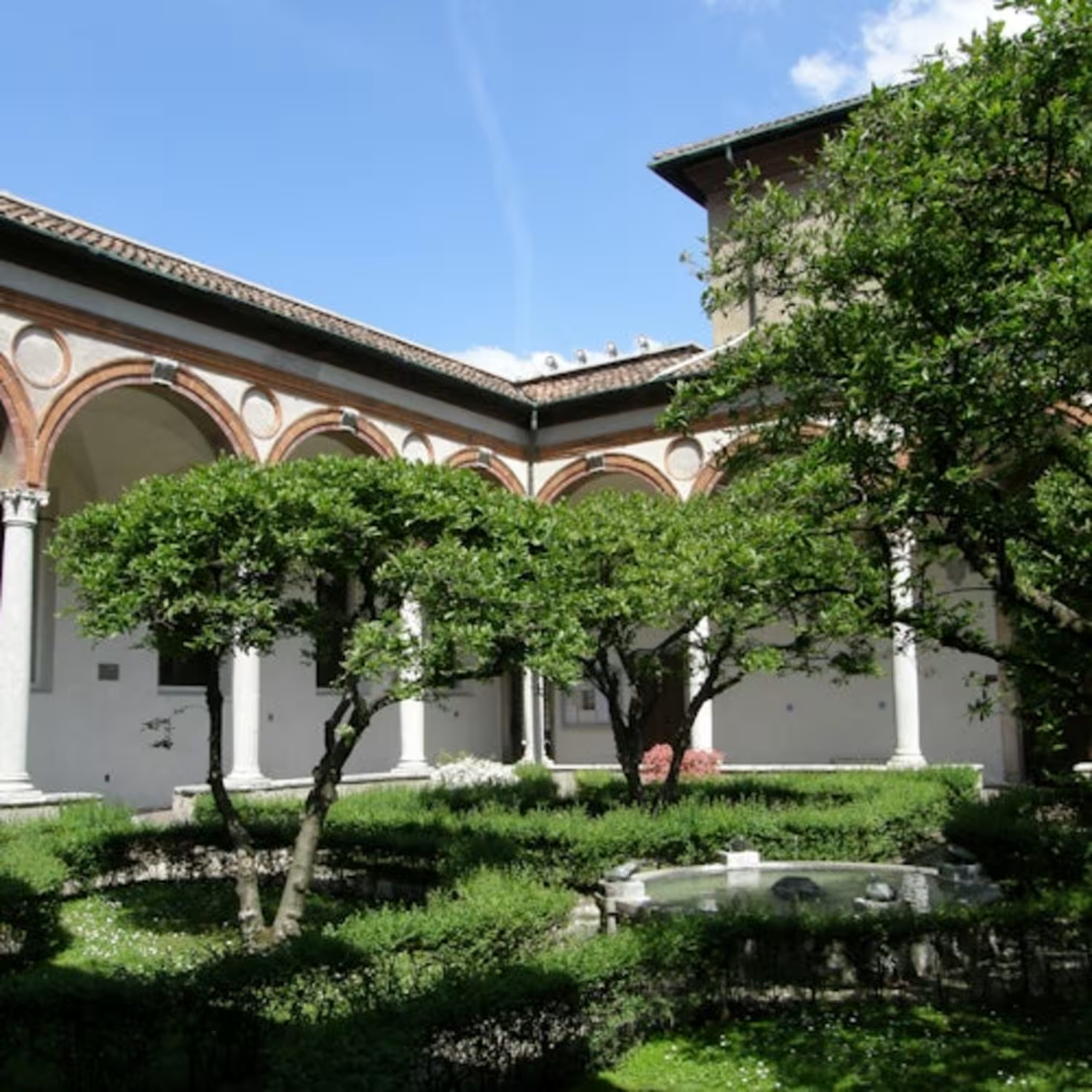
The Refectory
Montorfano's Crucifixion
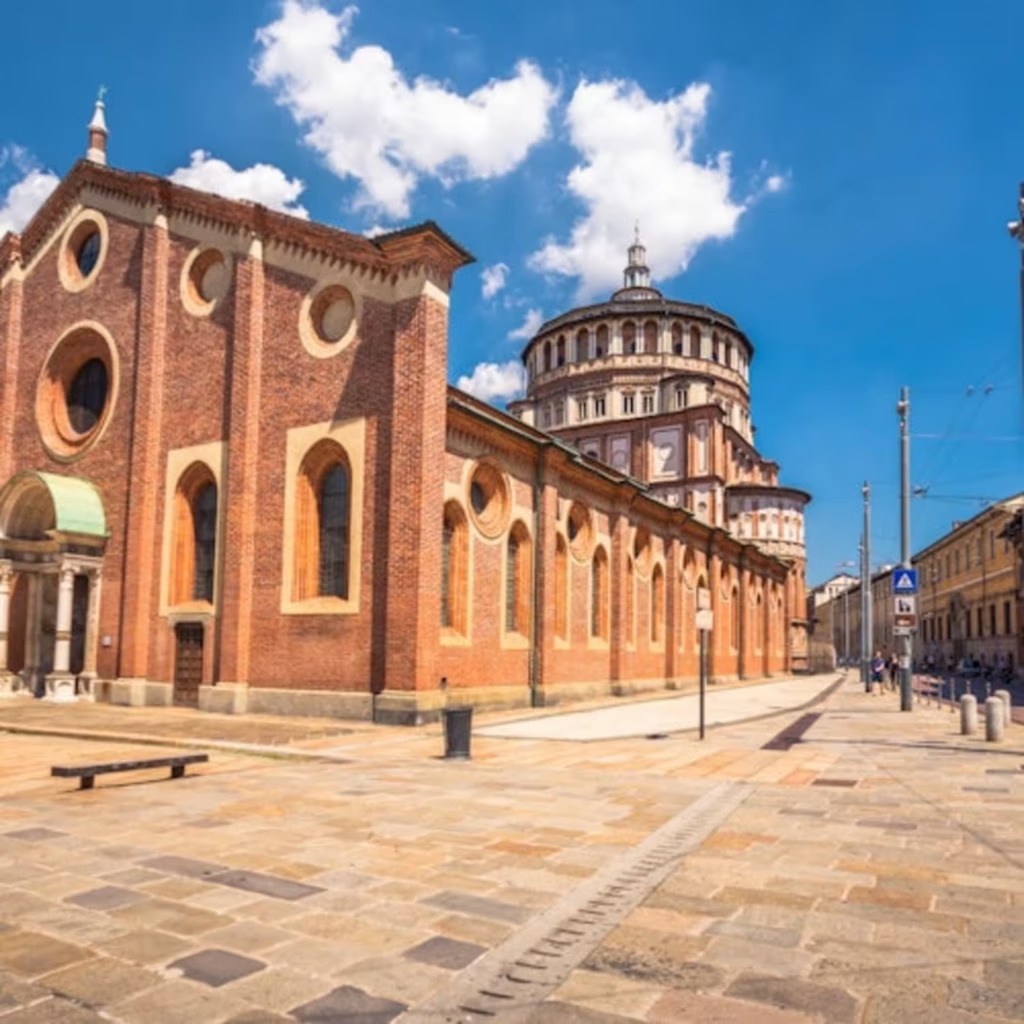
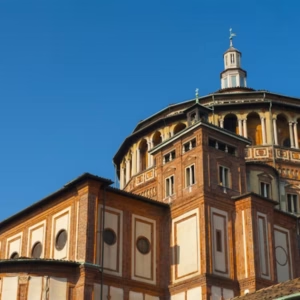
Santa Maria delle Grazie
How the Painting Survived
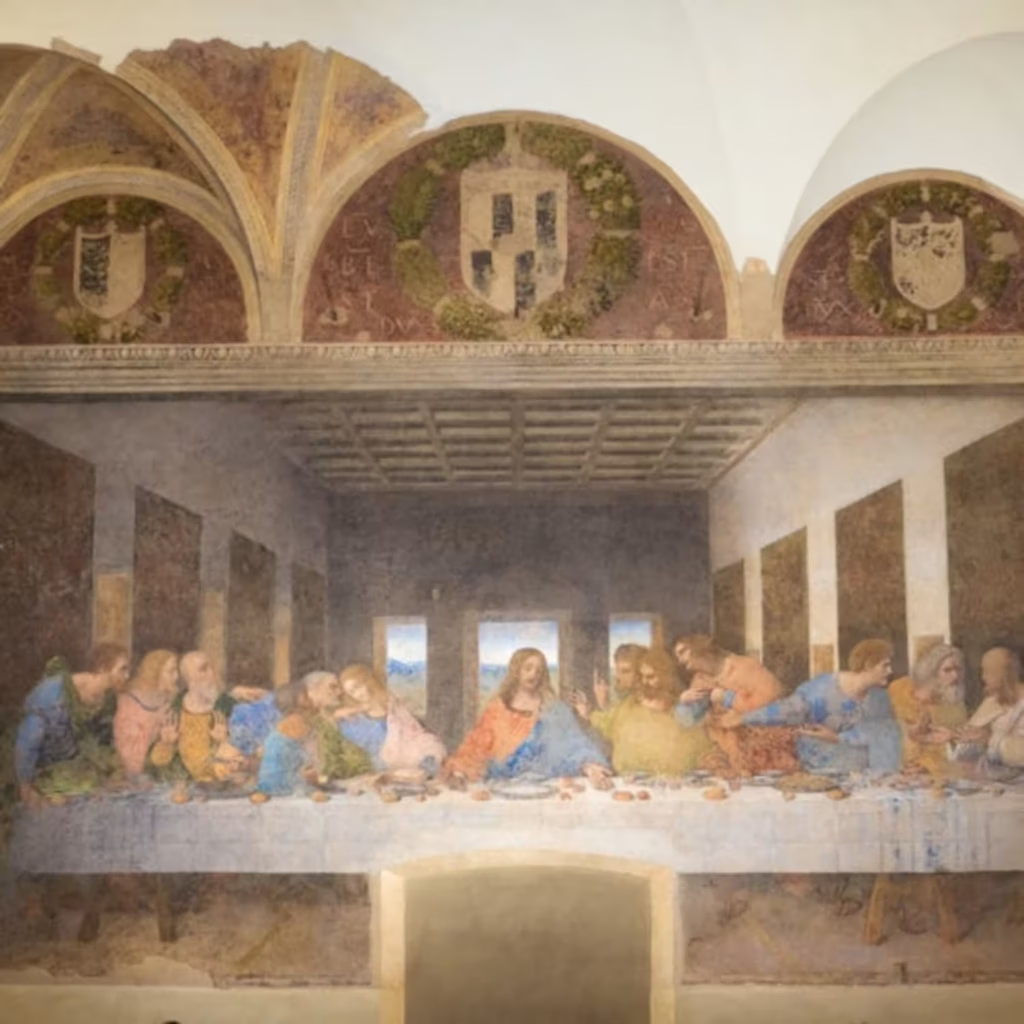
Bombed in World War II
A 21-Year Restoration
Ready to See The Last Supper?
Six centuries after Ludovico Sforza commissioned it, Leonardo's mural is still one of the hardest tickets in Milan to get, precisely because so few people are allowed to see it at once. Whichever part of its story brought you here, from the sandbags that saved it to the 21 years spent restoring it, the real thing is worth planning around.
Browse tickets for a timed entry slot, or see what to expect on the day on Plan Your Visit.
Last Supper: Skip-the-Line Ticket + Guided Tour
Highlights
Avoid waiting in queues with skip-the-line access.
Experience a live tour led by an expert guide in English.
Discover detailed stories behind the artwork and the church.
Visit a UNESCO World Heritage site, including the Church of Santa Maria delle Grazie and its historic refectory.
Enjoy a concise one-hour guided experience.
Milan Cathedral, Last Supper, and La Scala: Admission + City Tour
Highlights
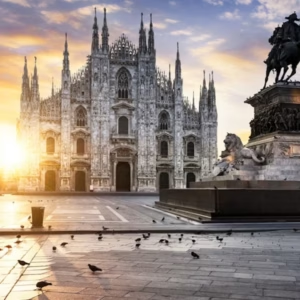
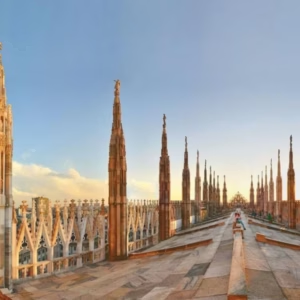
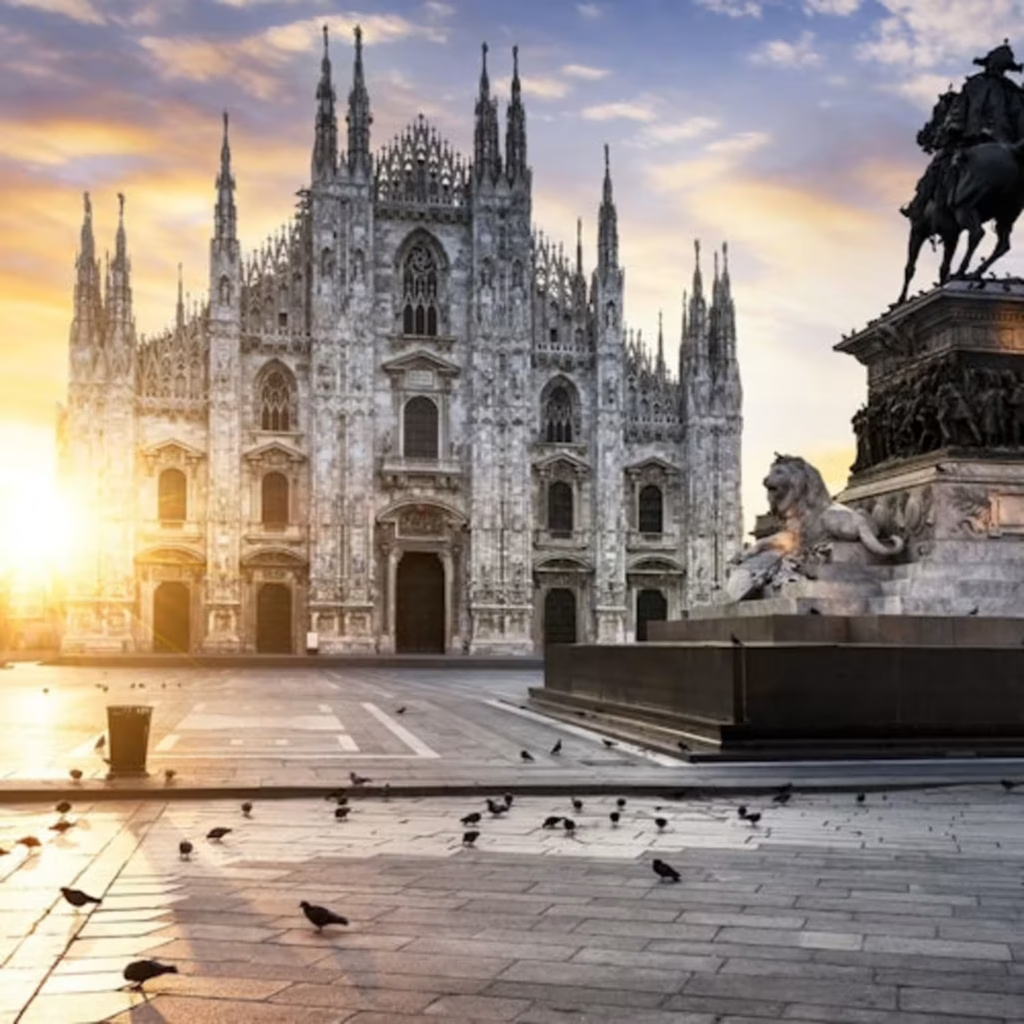
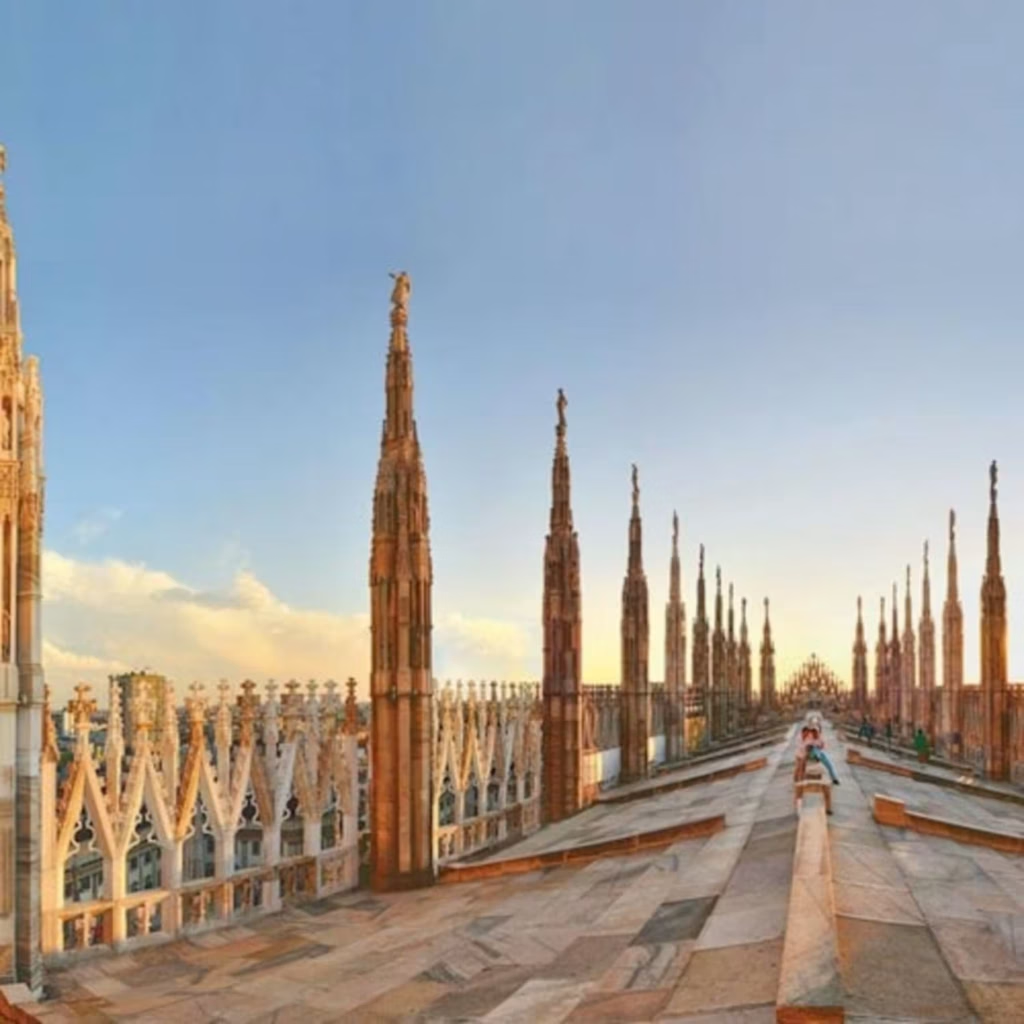
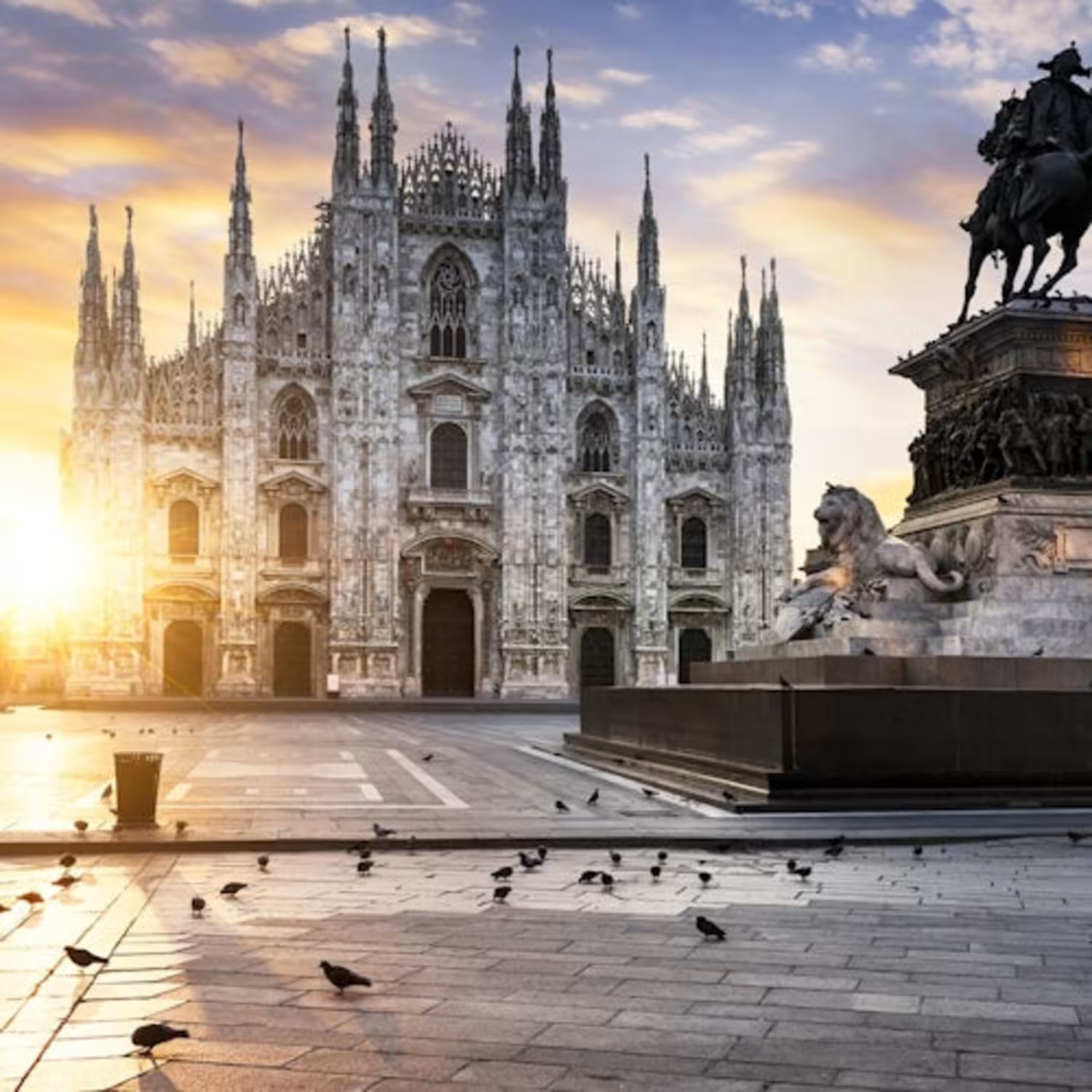
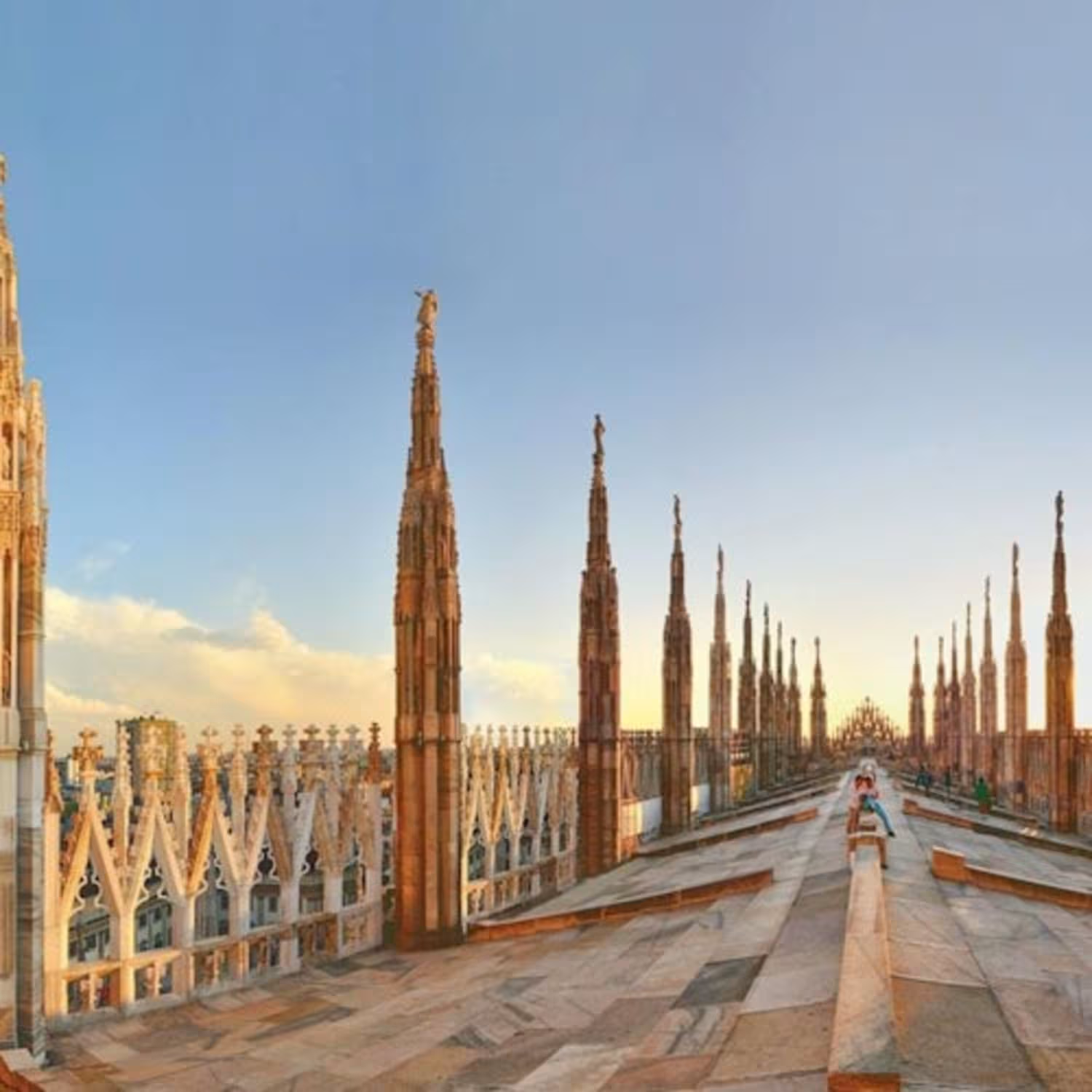
Discover Milan’s iconic landmarks such as the Gothic Duomo and the historic Castello Sforzesco.
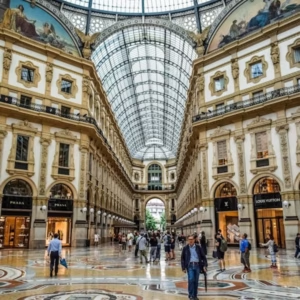
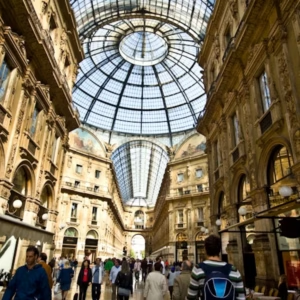
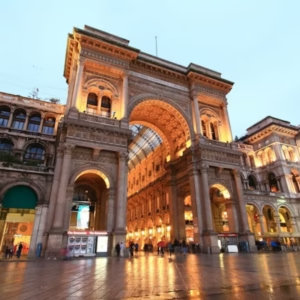
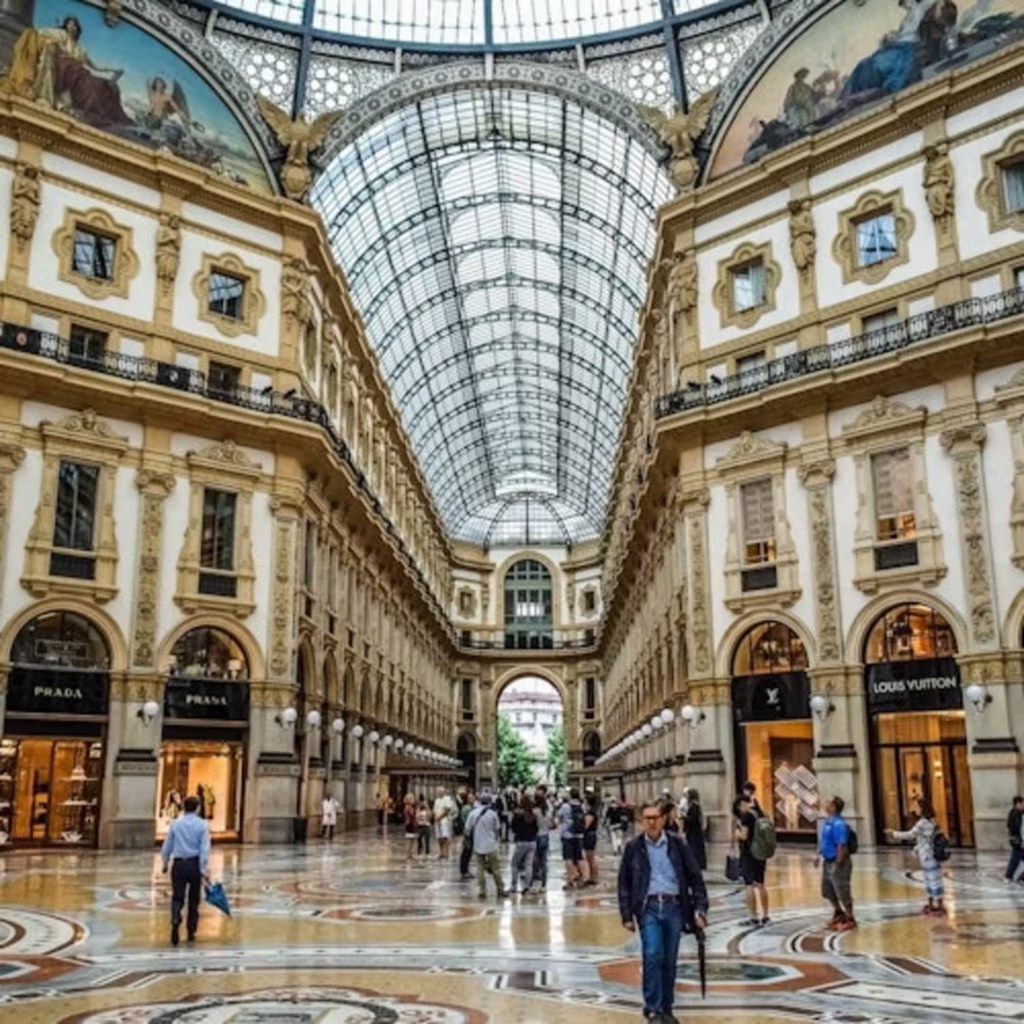
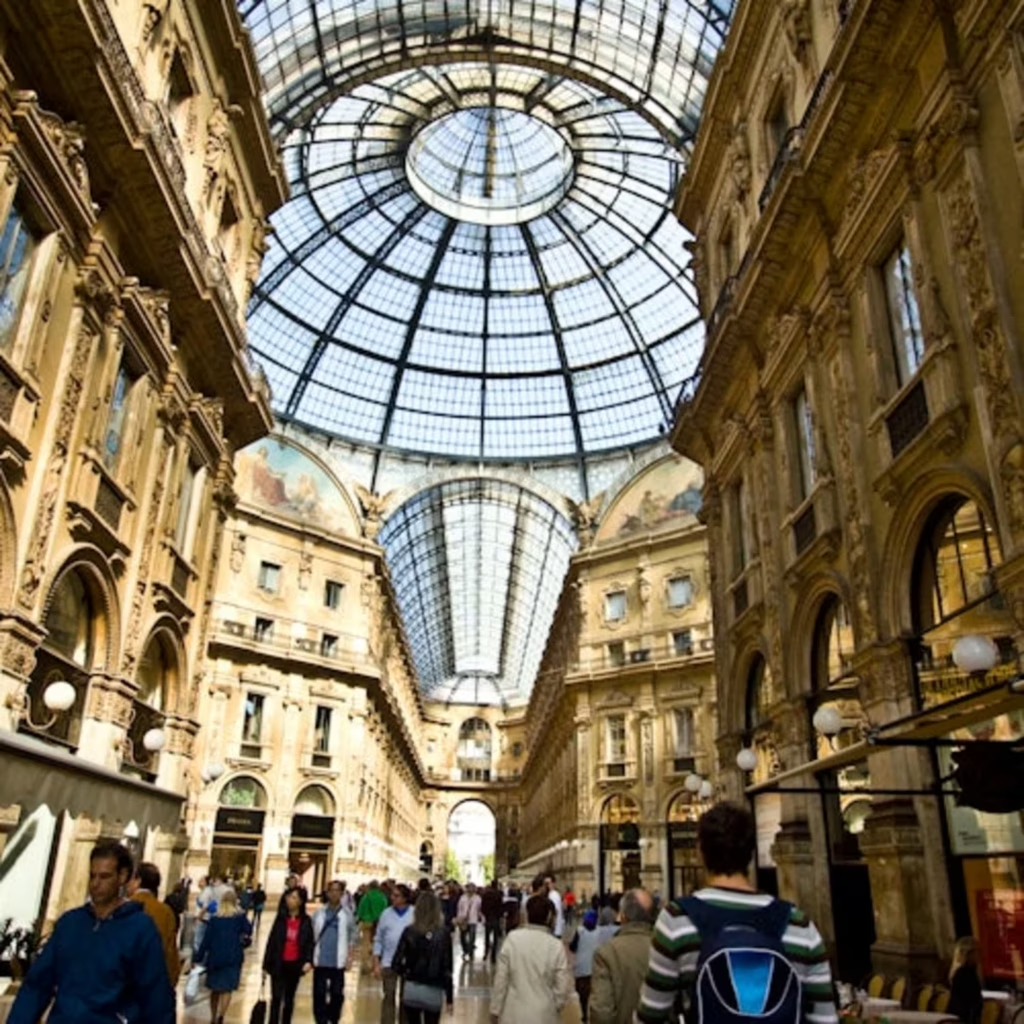
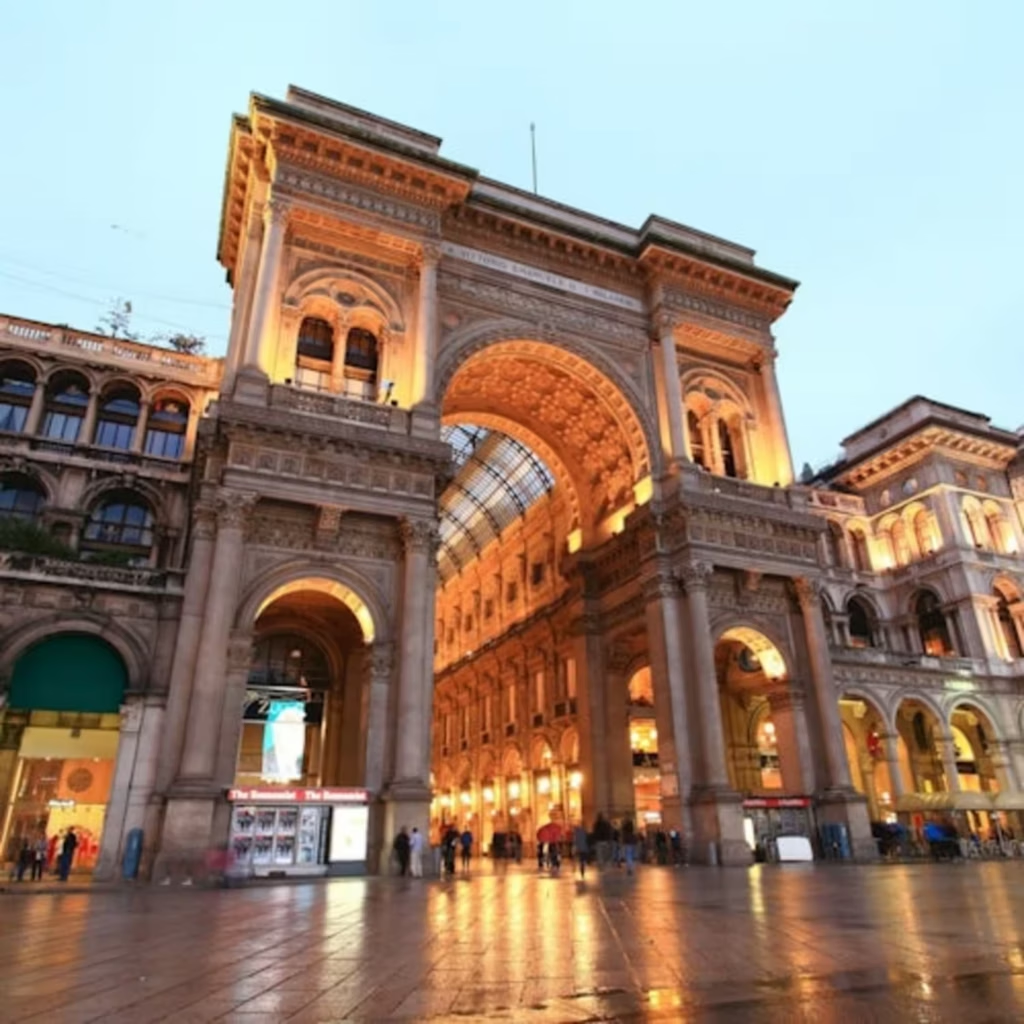
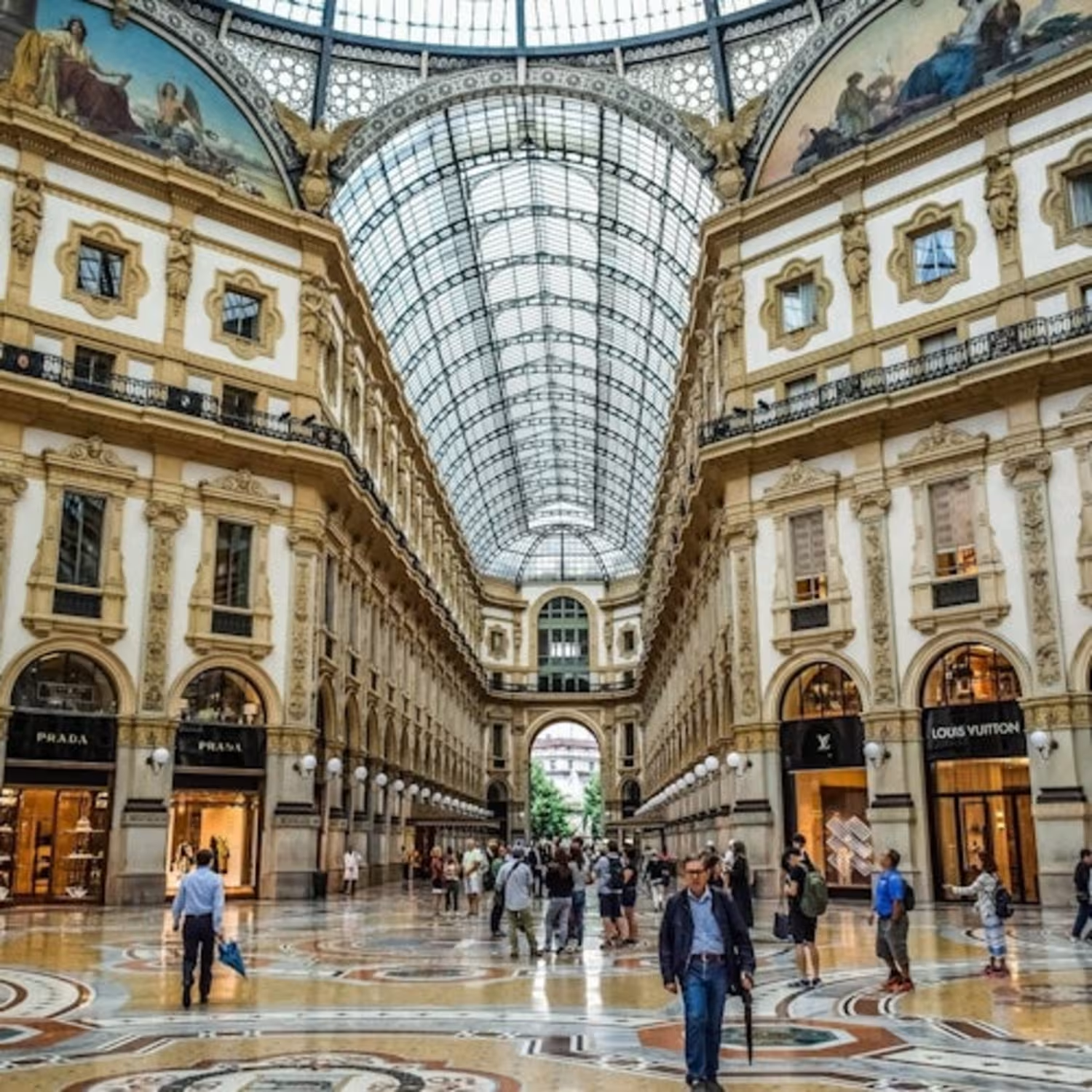
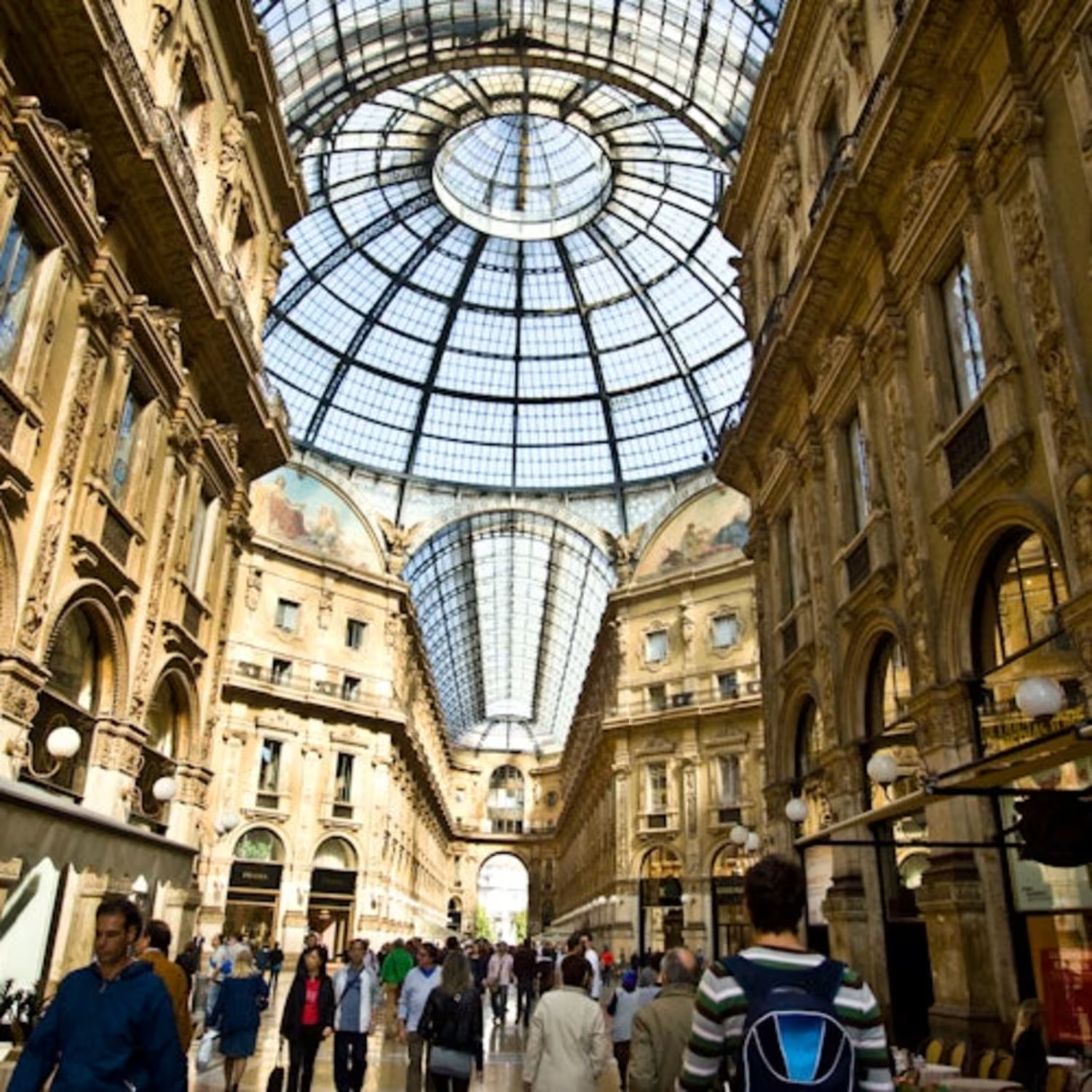
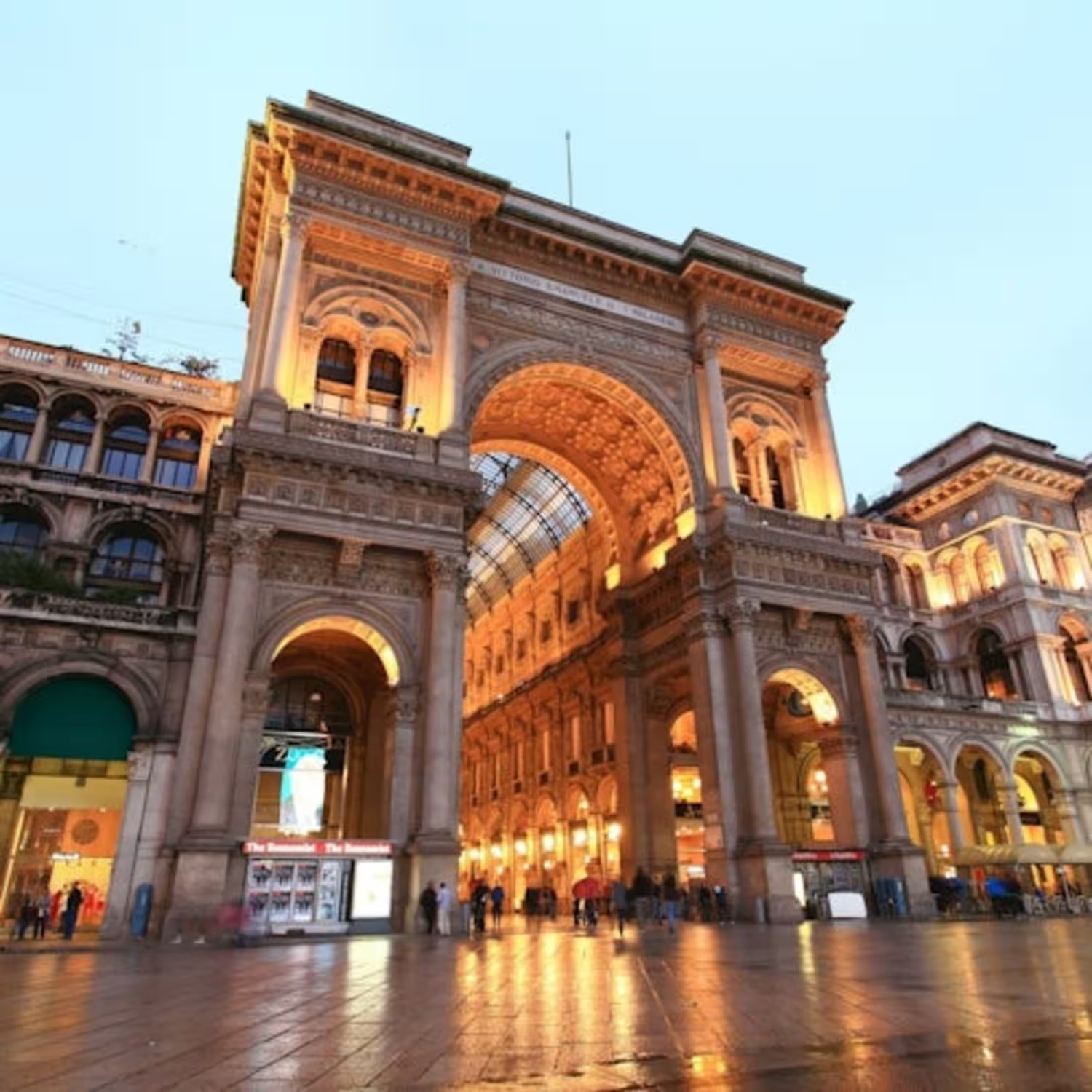
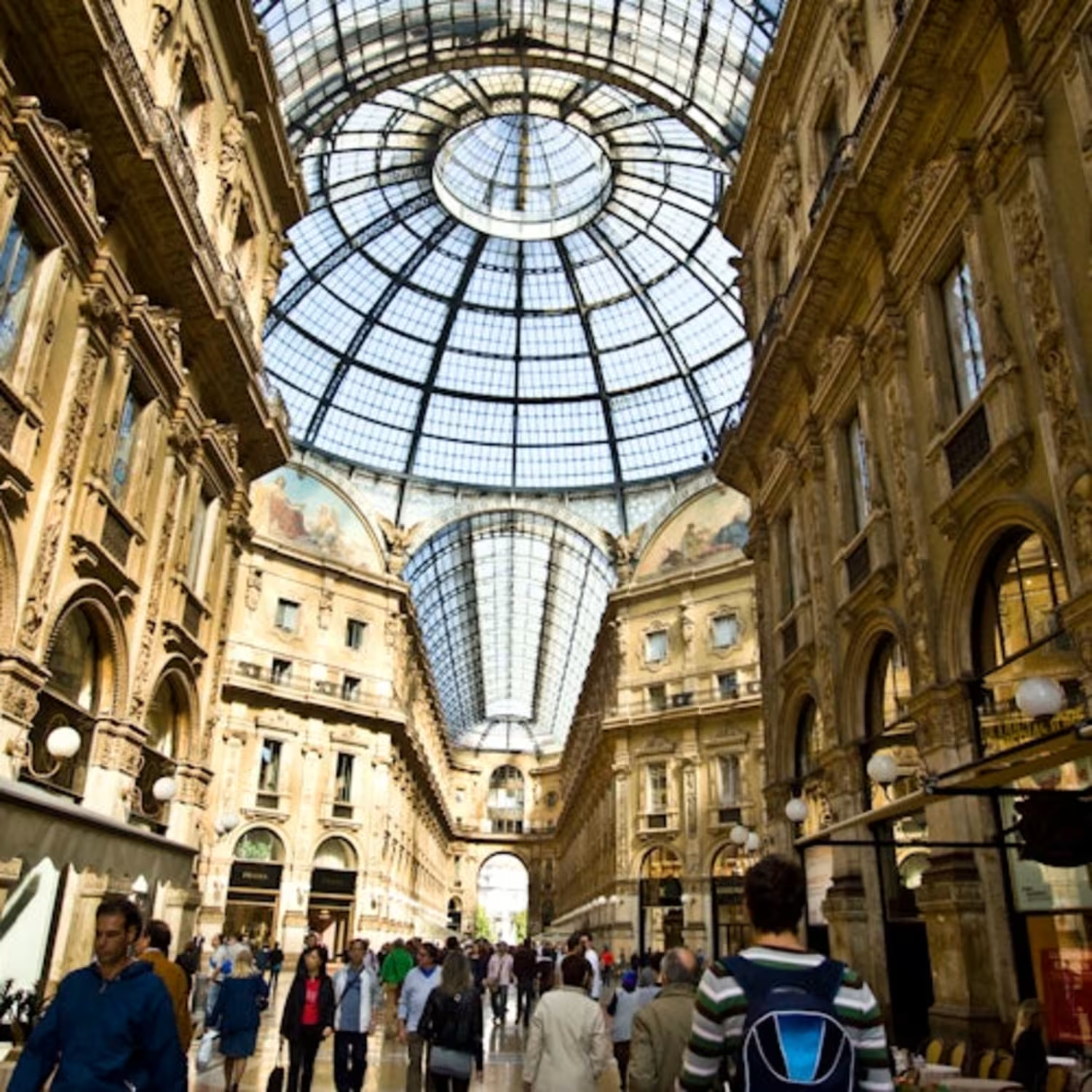
Explore the elegant Galleria Vittorio Emanuele II, a central meeting place filled with shops and cafés.
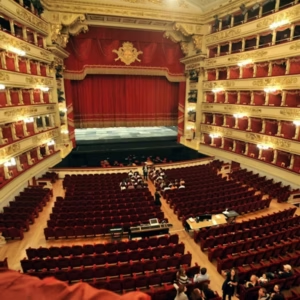
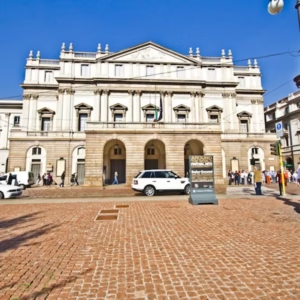
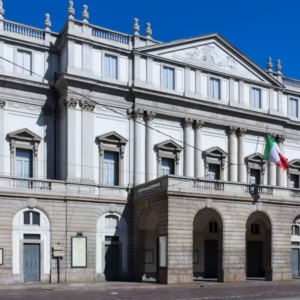
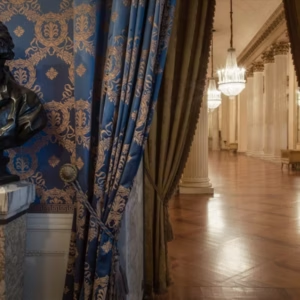
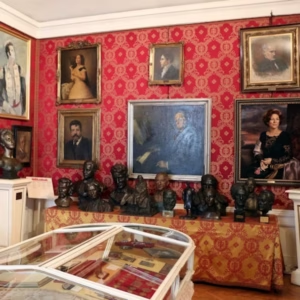
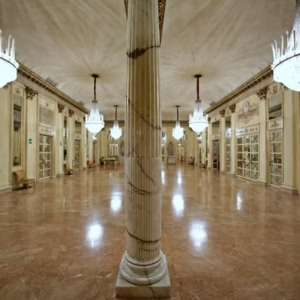
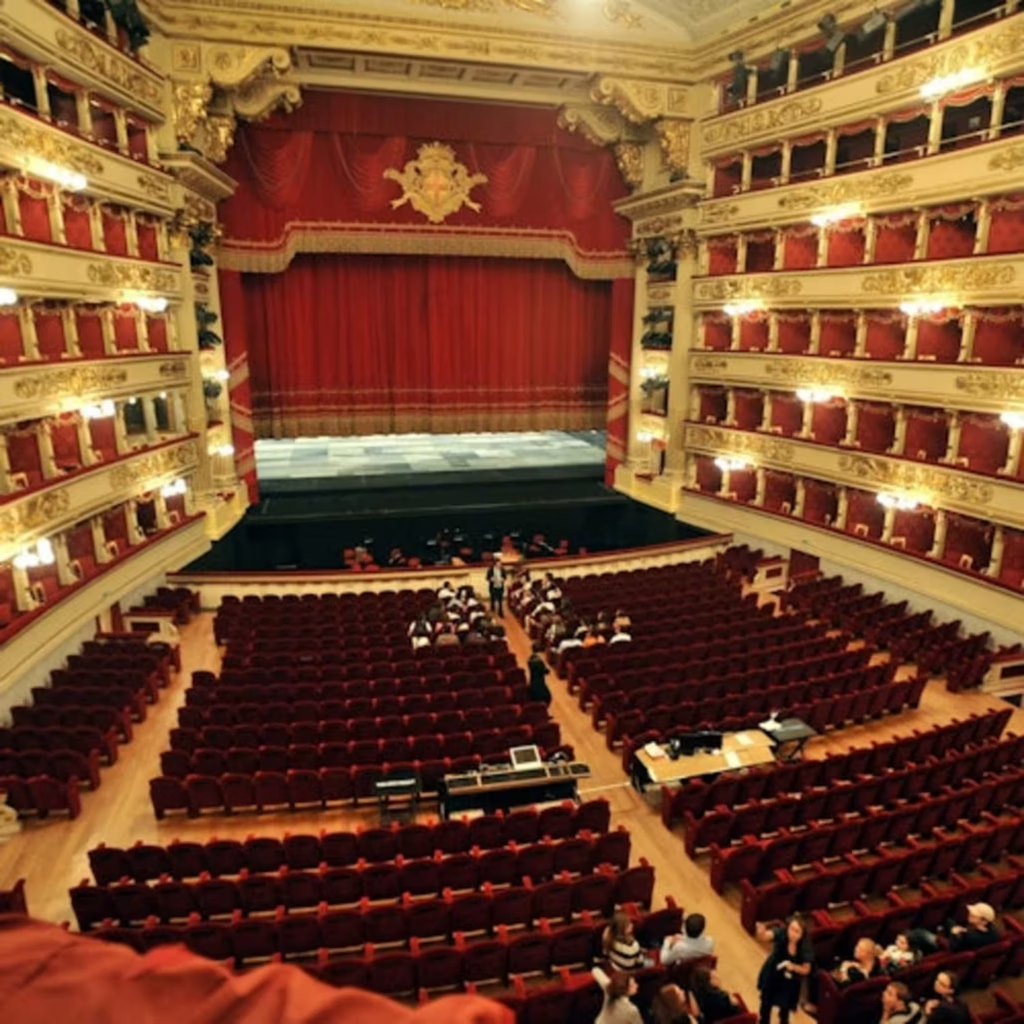
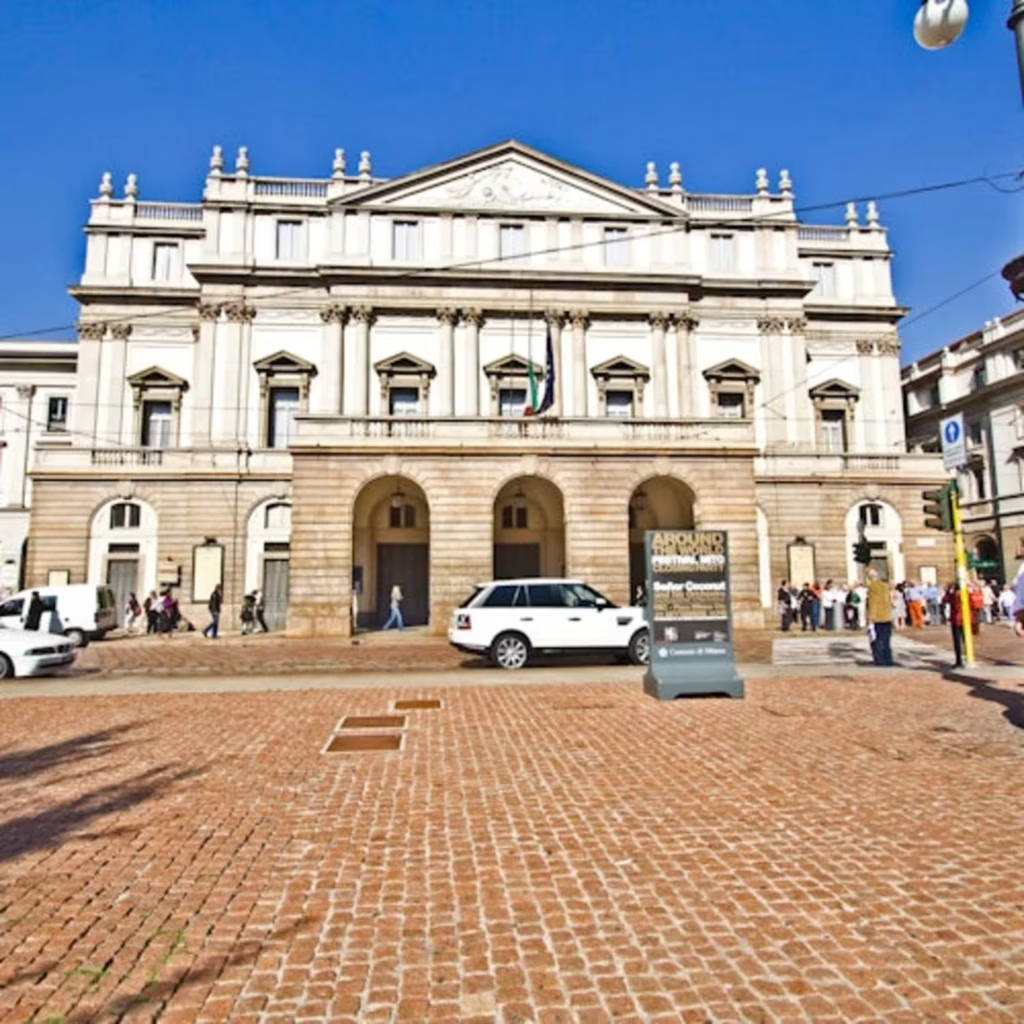
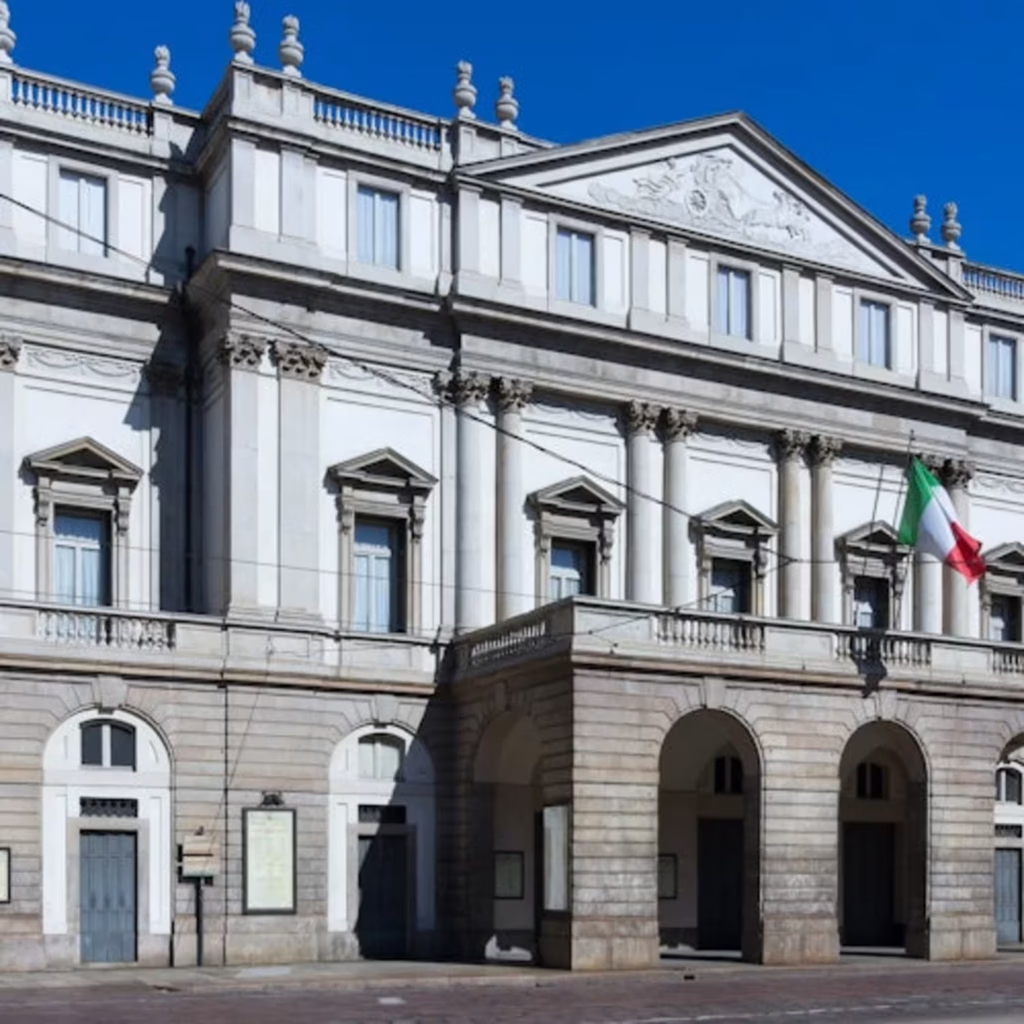
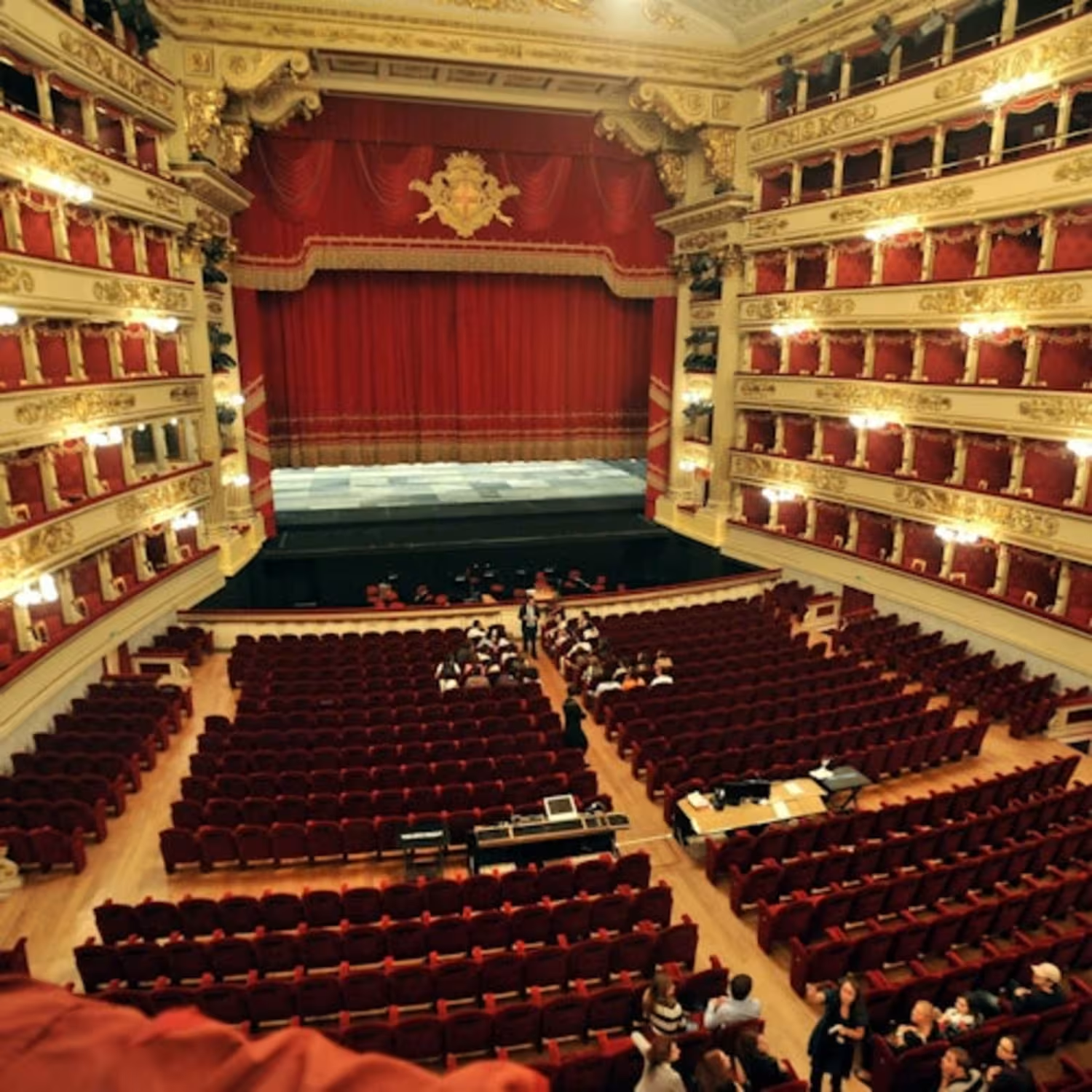
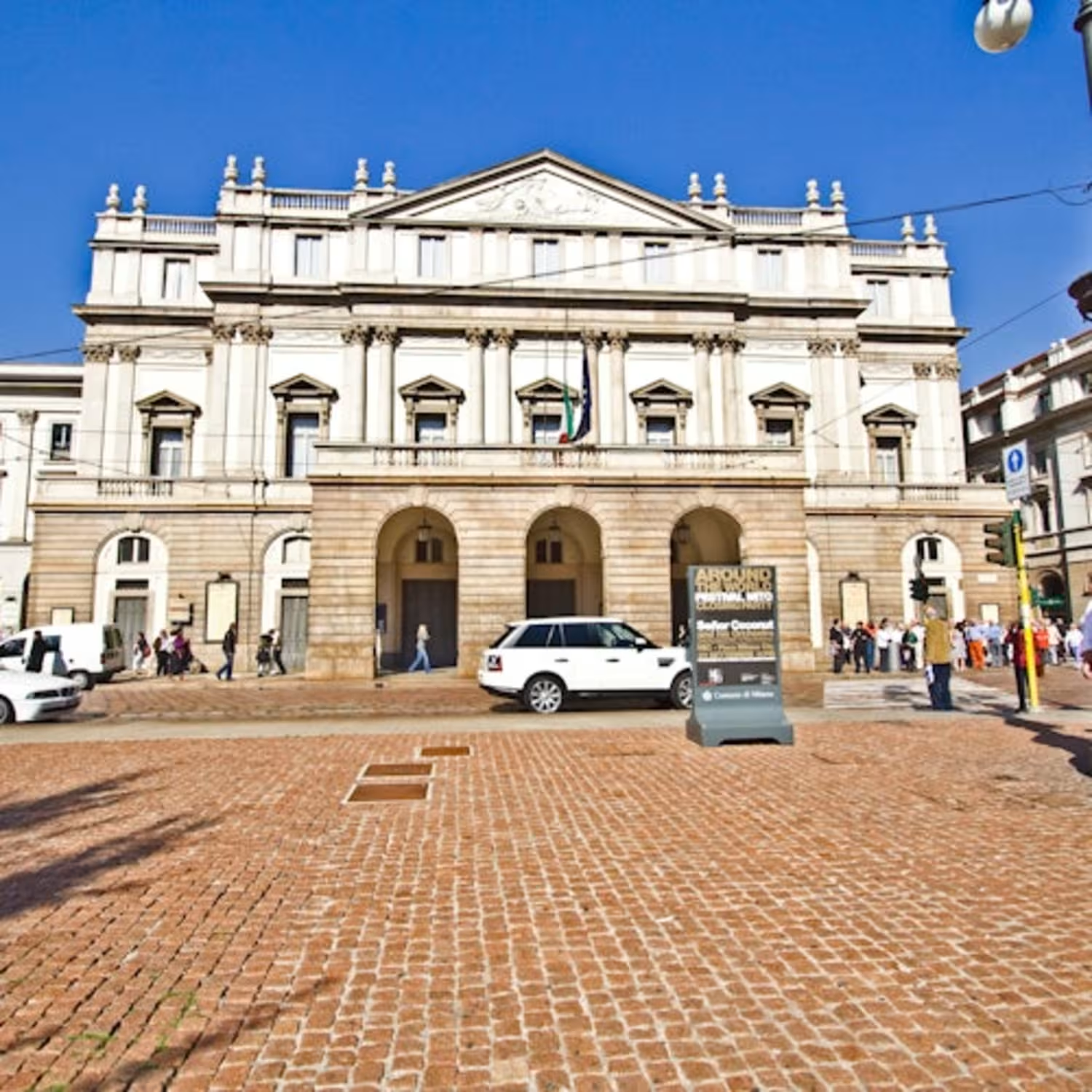
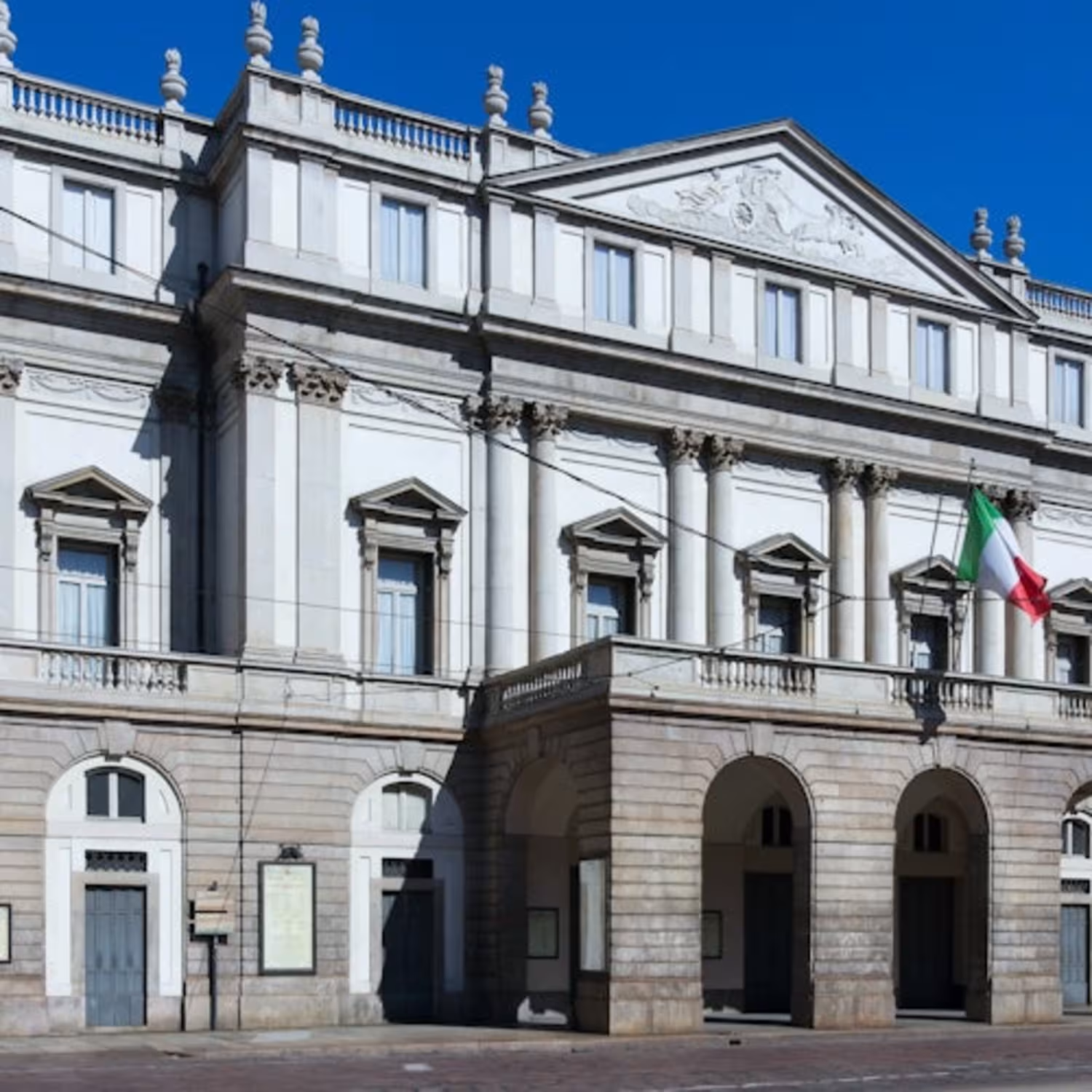
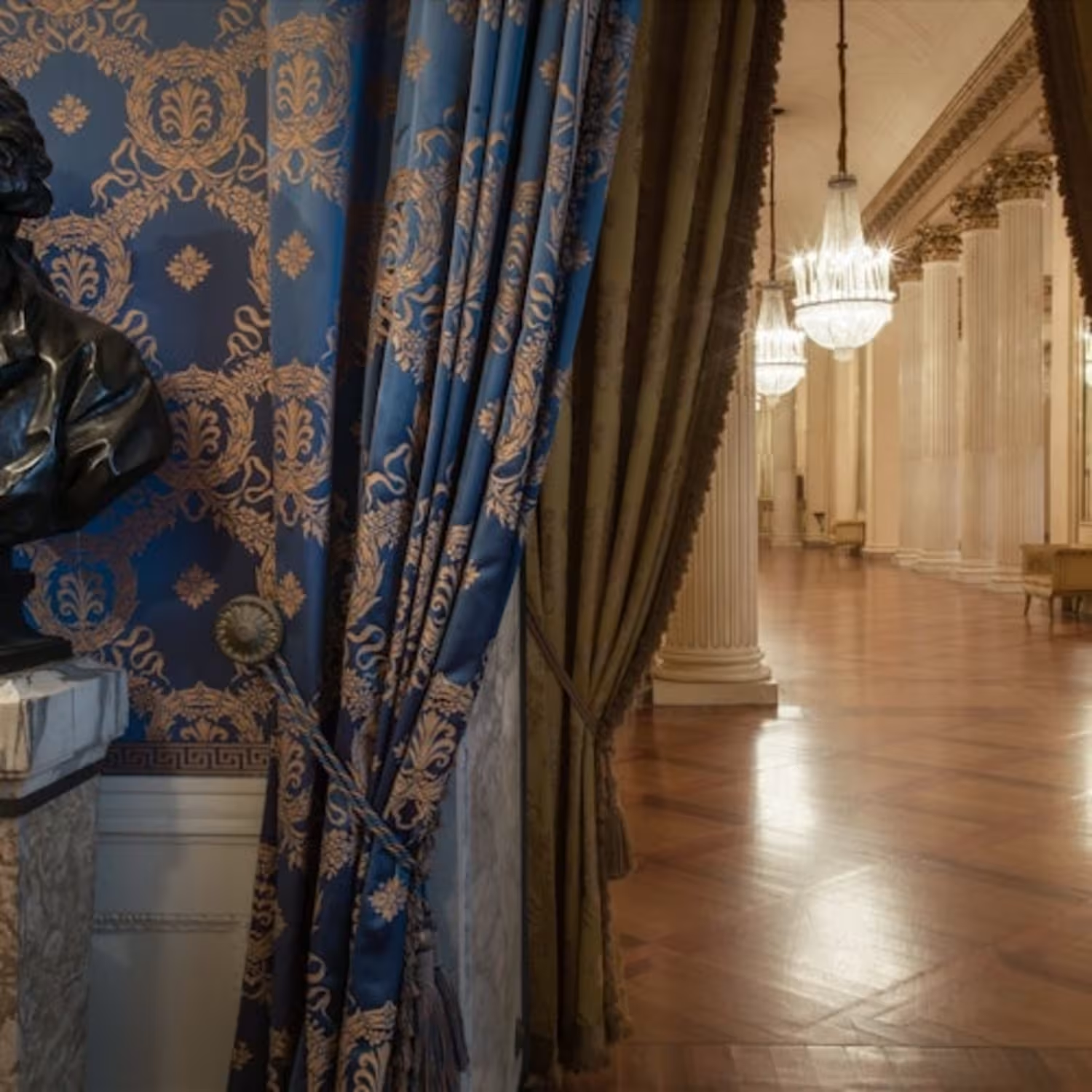
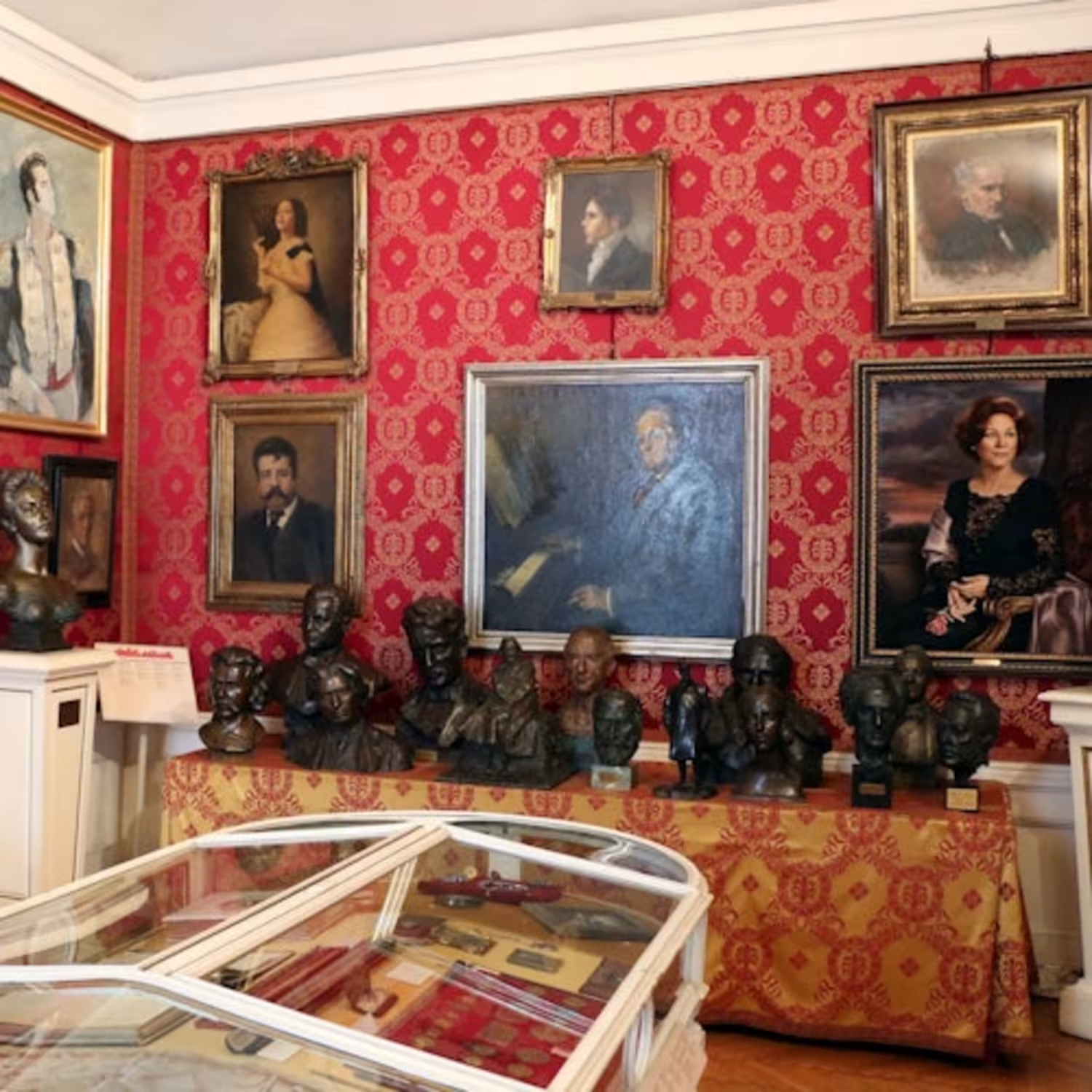
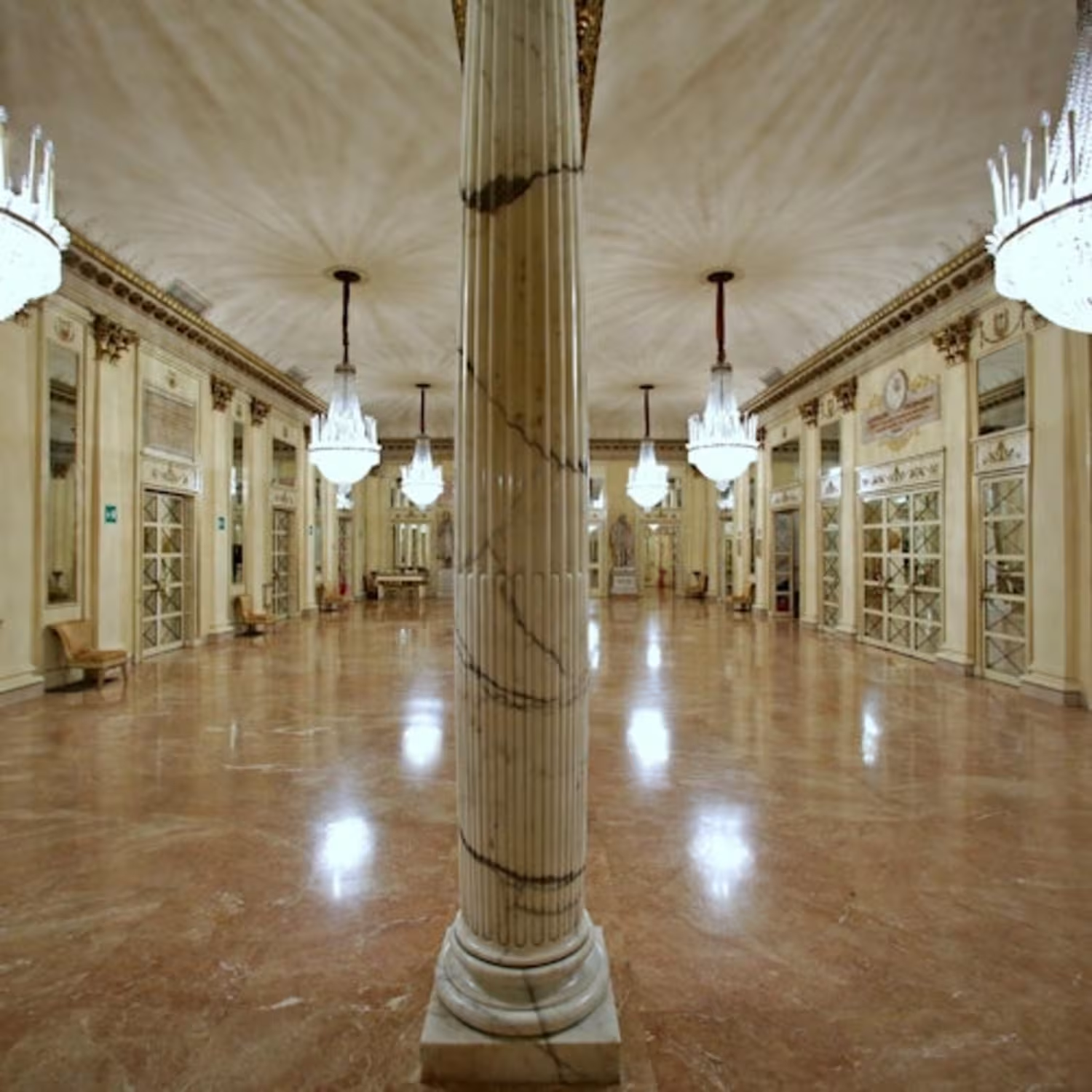
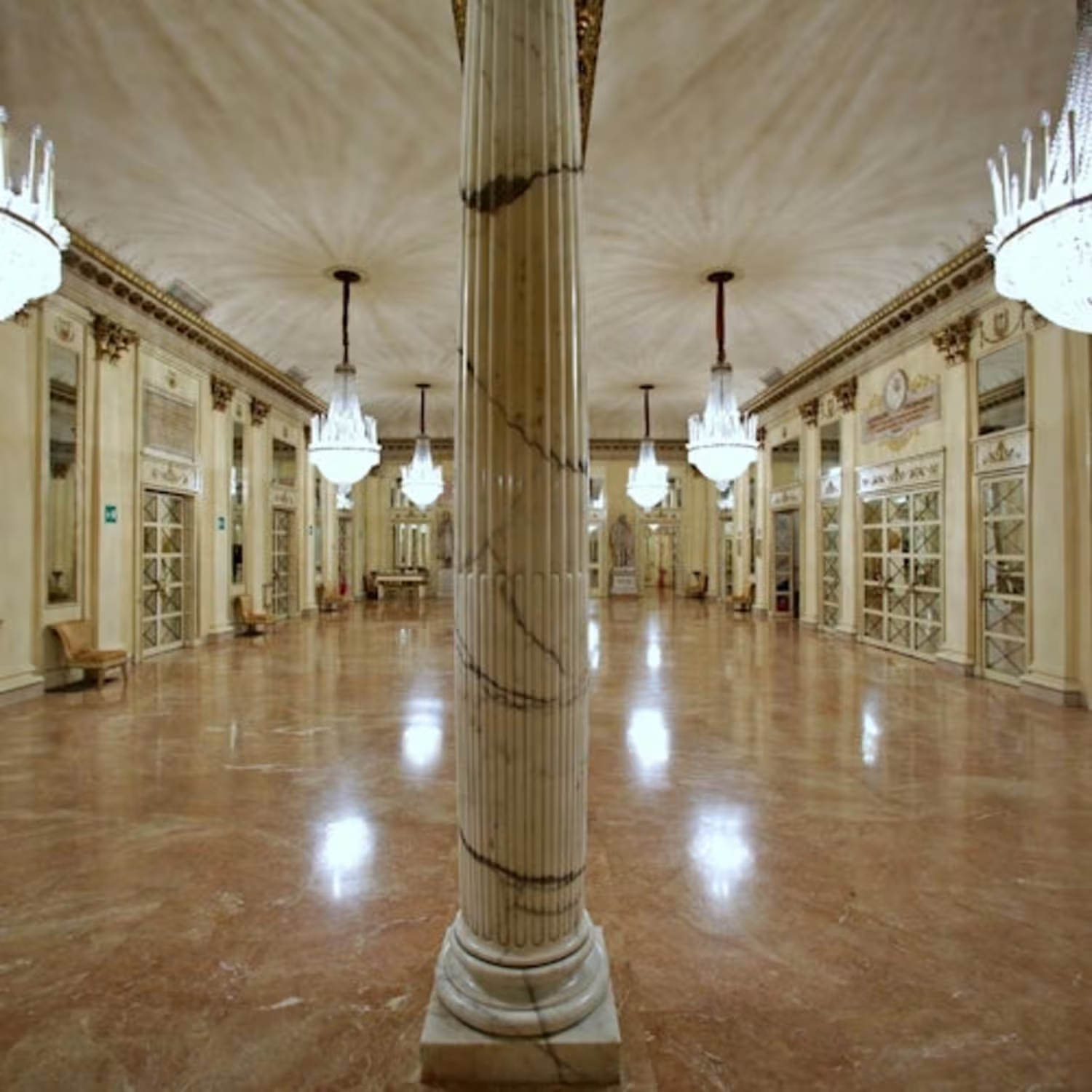
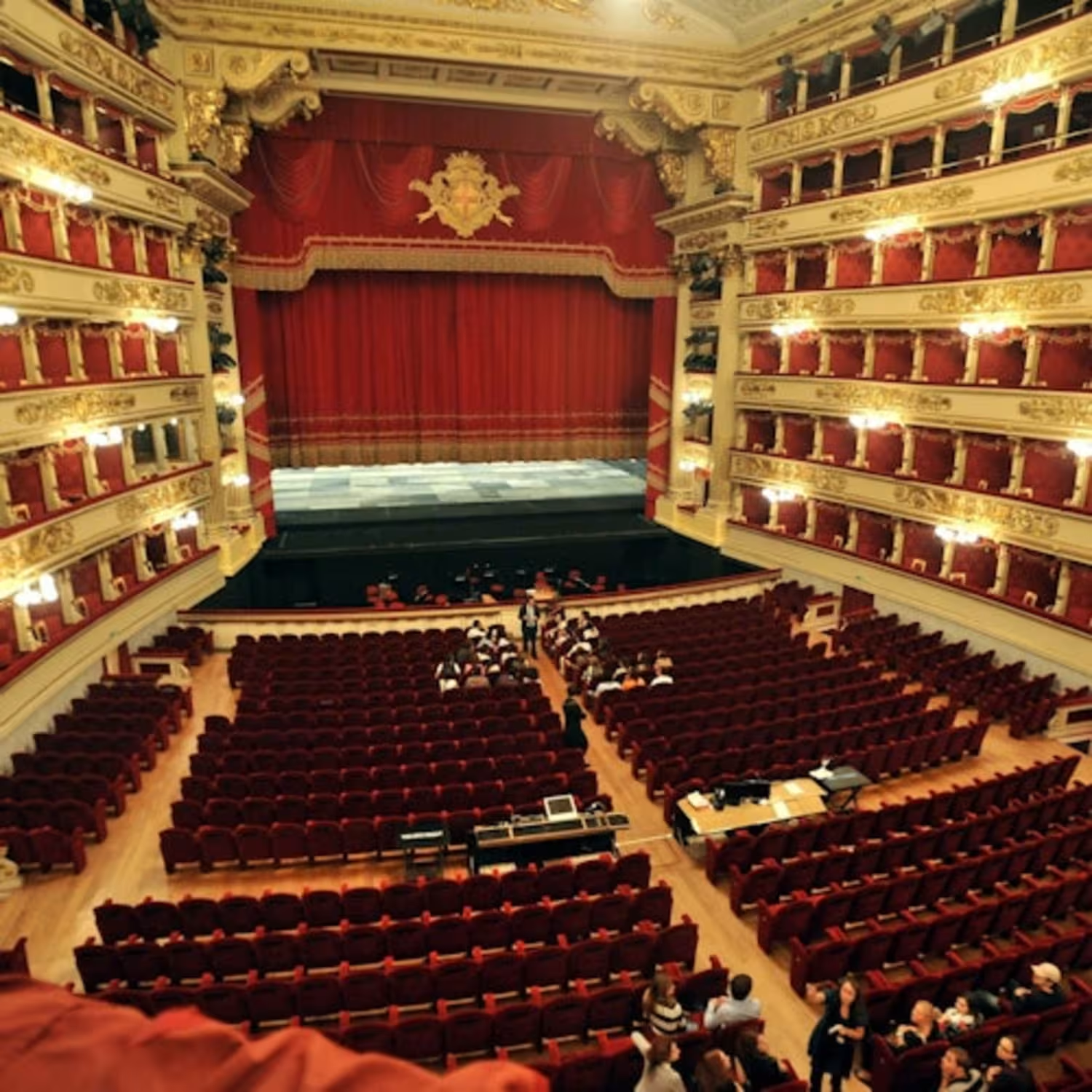
Access Teatro alla Scala’s theater and museum, learning about its rich opera history.
View Leonardo Da Vinci’s renowned artwork, The Last Supper, inside the Santa Maria delle Grazie church.
Enjoy comfortable transportation aboard an air-conditioned coach during the tour.
Highlights of The Last Supper and Santa Maria delle Grazie
 English
  Italiano
  Français
  Deutsch
  Español
  Português