We are processing your request.
Please, don’t close or refresh the page.
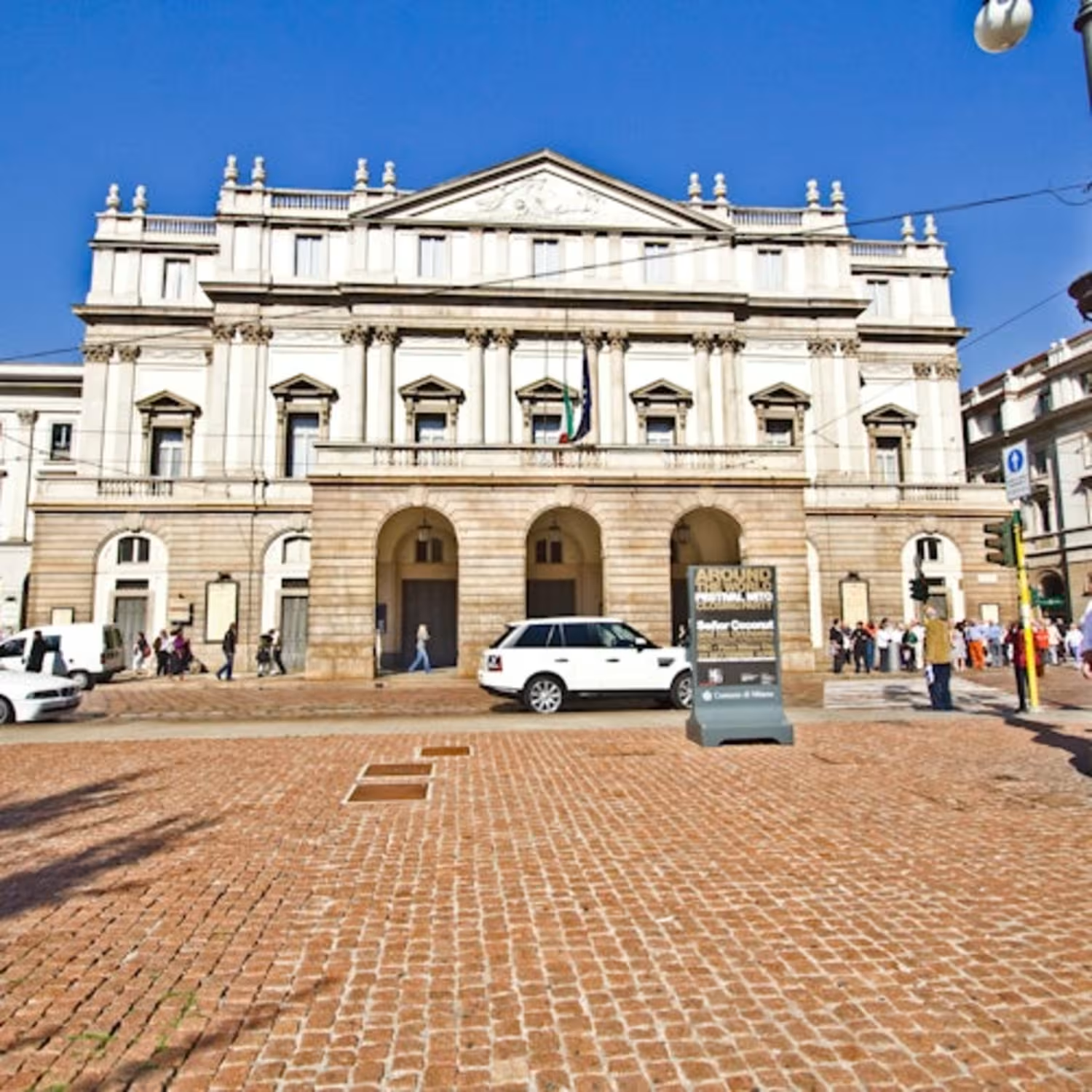
Teatro alla Scala in Milan

La Scala History: From 1778 to Today

Built after a fire, bombed in 1943 and reopened in 1946, La Scala opens its season every year on 7 December. This guide follows the theatre's story from Piermarini's design to Mario Botta's restoration, and shows what of that history you can see on a visit today.

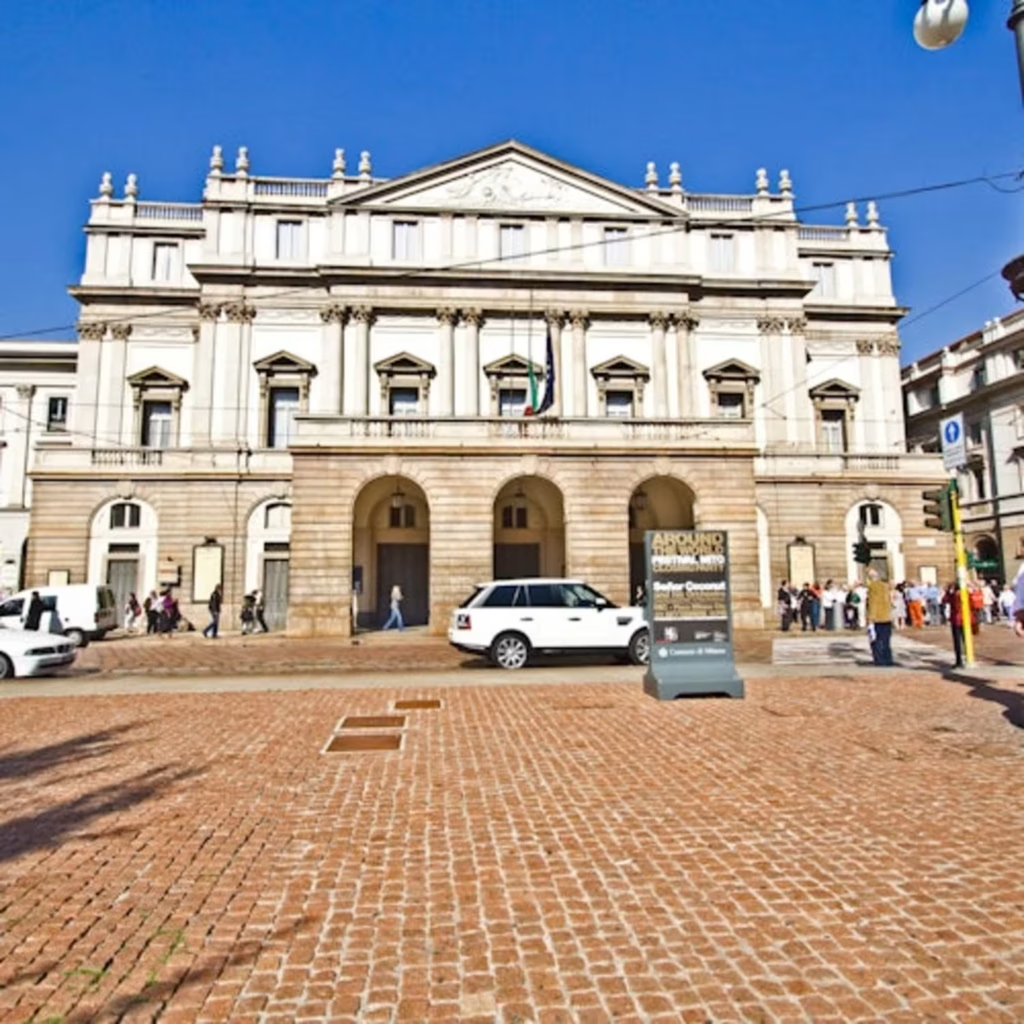
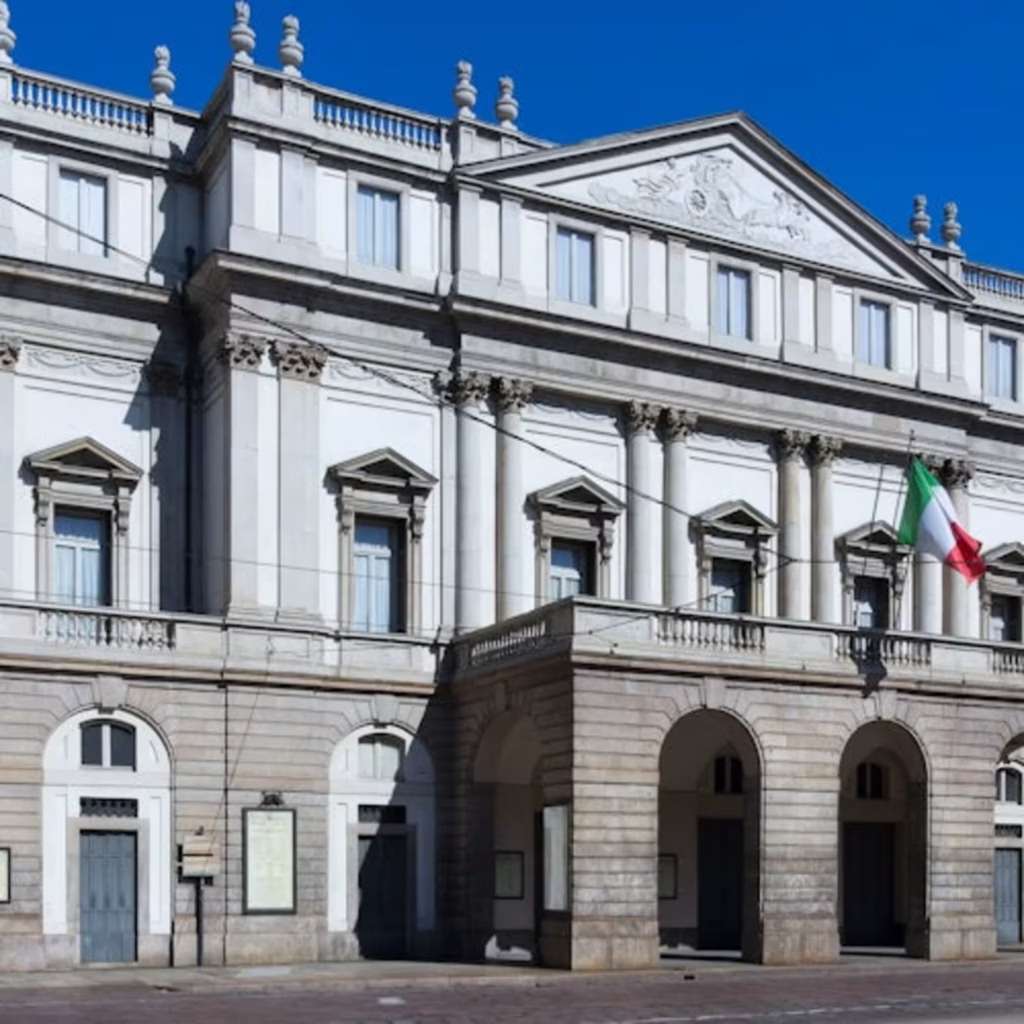
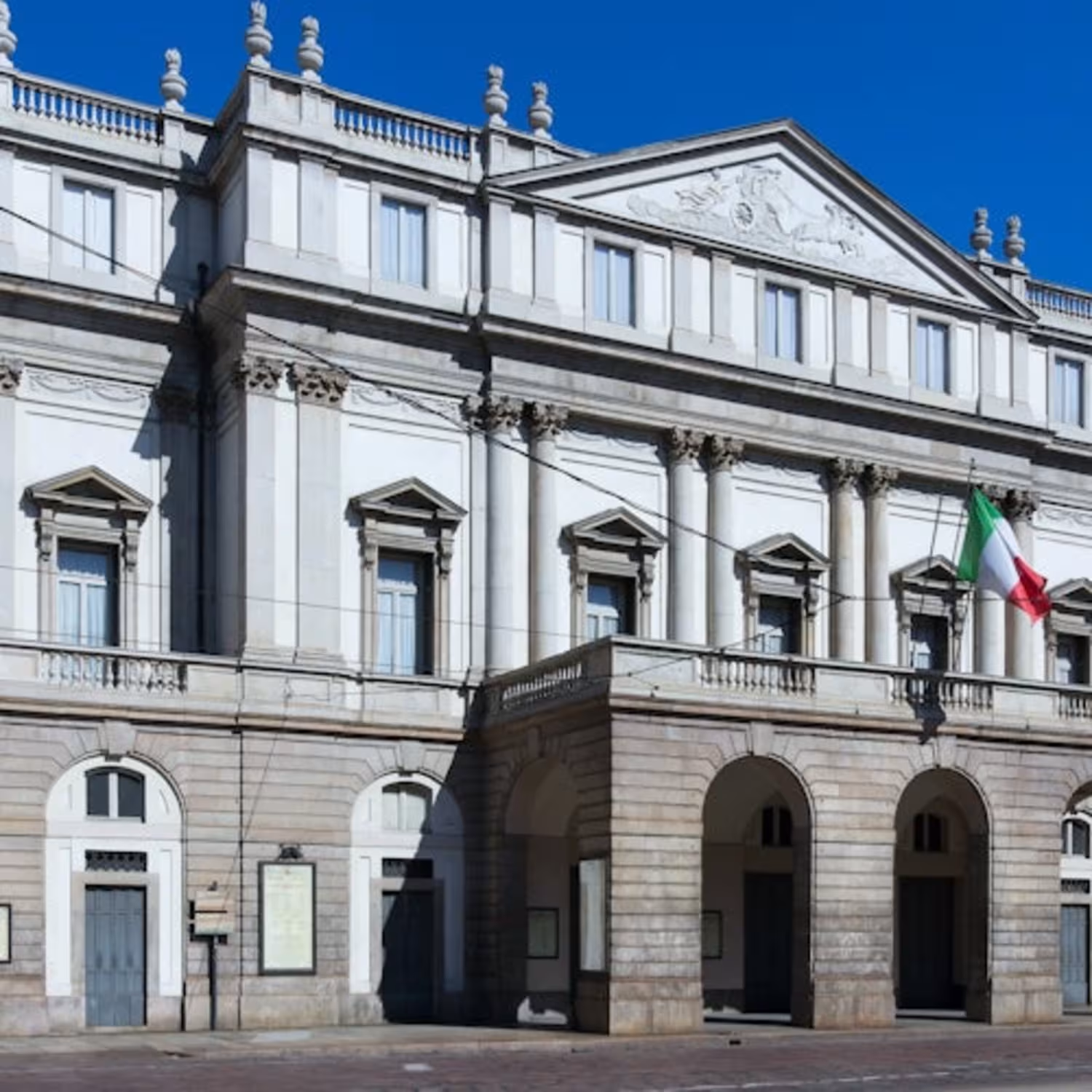
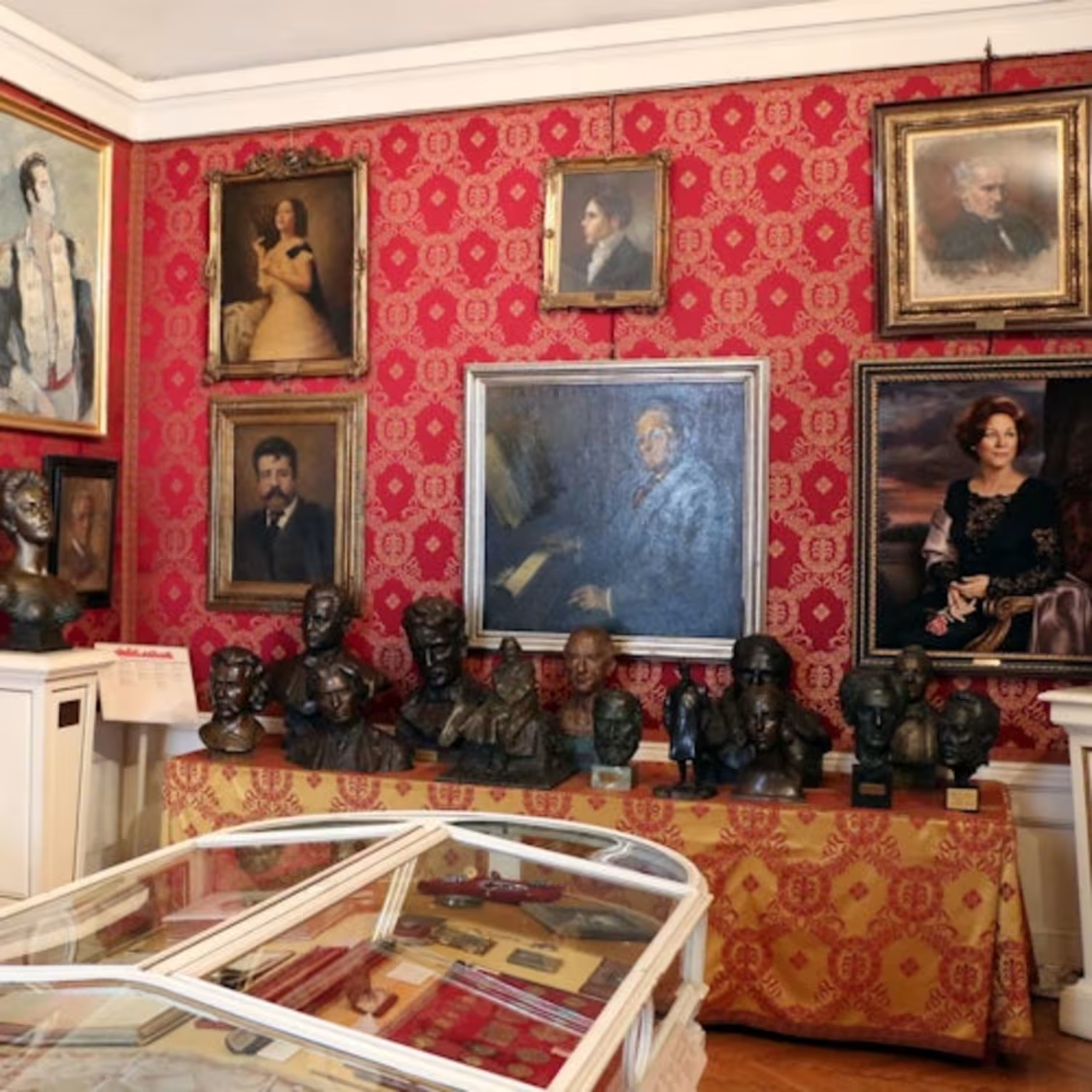
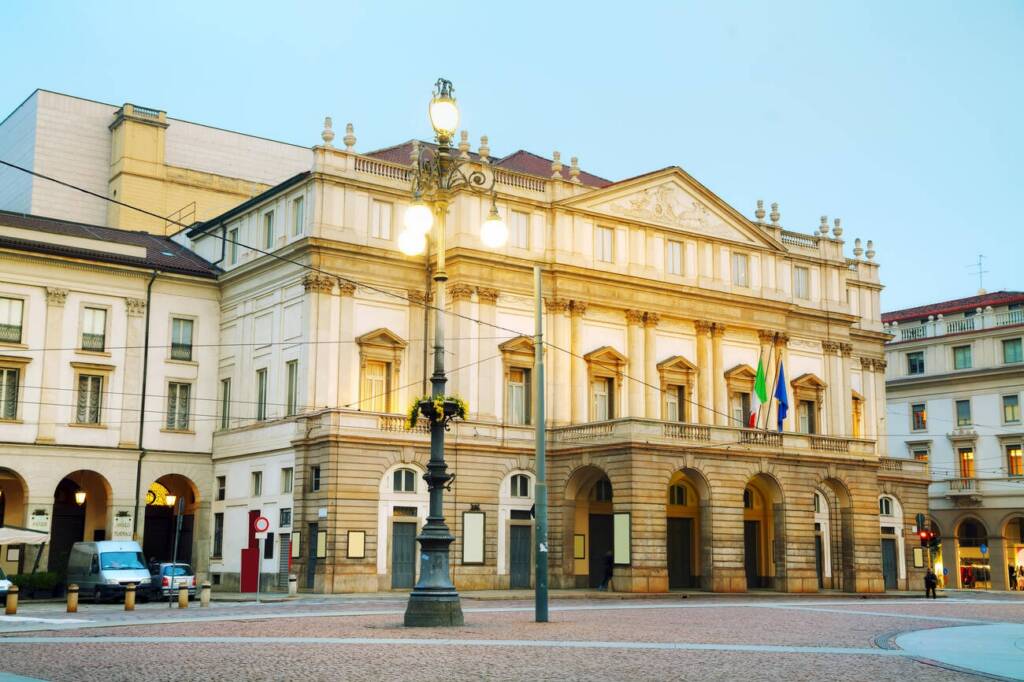
Teatro alla Scala is Milan's opera house and one of the most famous stages in the world. It opened in 1778 to replace a court theatre lost to fire, took its name from a church that stood on the site, and saw the first performances of operas by Verdi and Puccini. It was badly damaged by bombing in 1943, reopened with Arturo Toscanini on the podium in 1946, and closed again from 2002 to 2004 for a full renovation. This guide tells that story in order and ends with what a visit shows of it today: the theatre museum, the view into the auditorium from the boxes and the details to look for on the way. For times and what to expect on the day, see the La Scala visitor guide.

La Scala Theater: Guided tour of the Theater and Museum

Highlights

Explore the historic Teatro alla Scala opera house.

Gain a deeper understanding through an engaging live guide.

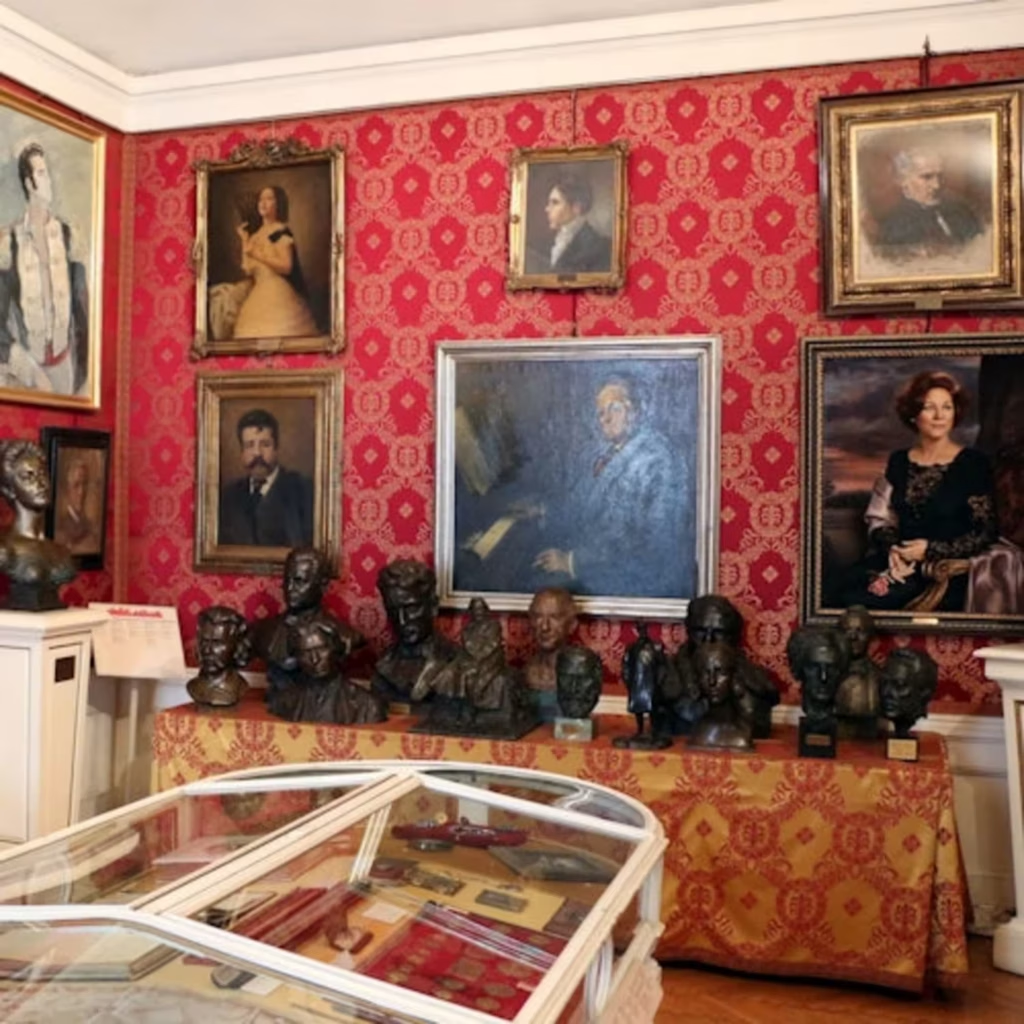
Visit the museum featuring costumes, instruments, and artistic memorabilia.

View the theatre hall from one of the boxes, when activities allow.

Hear stories of legendary composers and performances.

4.6
(44)

Milan Cathedral, Last Supper, and La Scala: Admission + City Tour

Highlights

Discover Milan’s iconic landmarks such as the Gothic Duomo and the historic Castello Sforzesco.

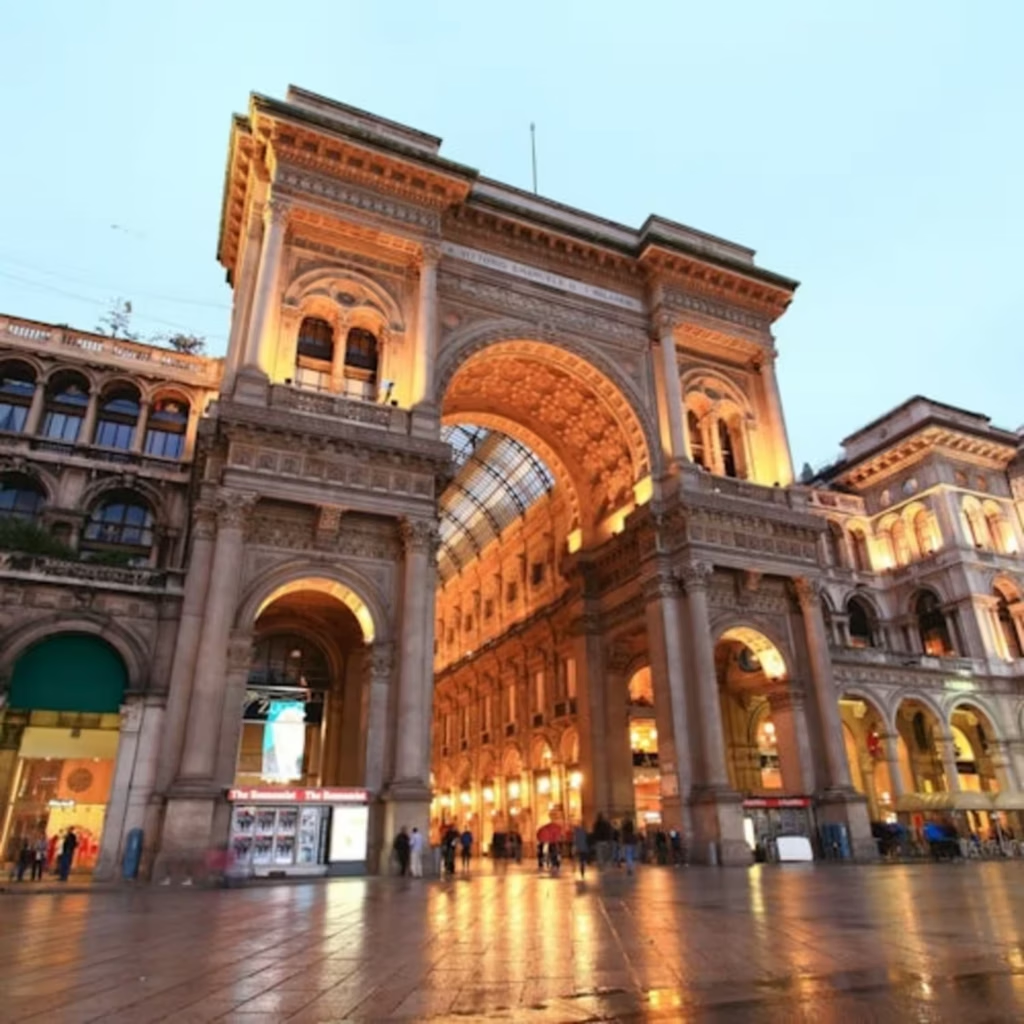
Explore the elegant Galleria Vittorio Emanuele II, a central meeting place filled with shops and cafés.

Access Teatro alla Scala’s theater and museum, learning about its rich opera history.

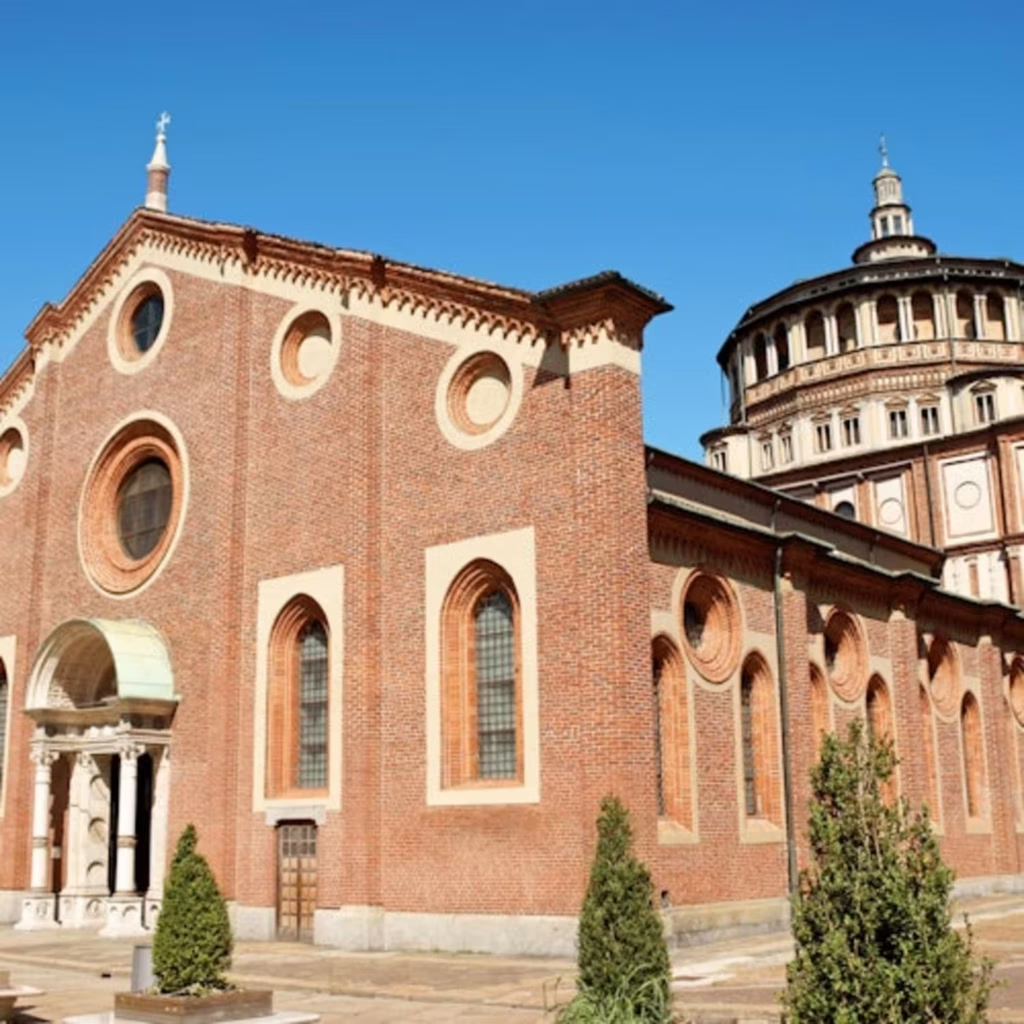
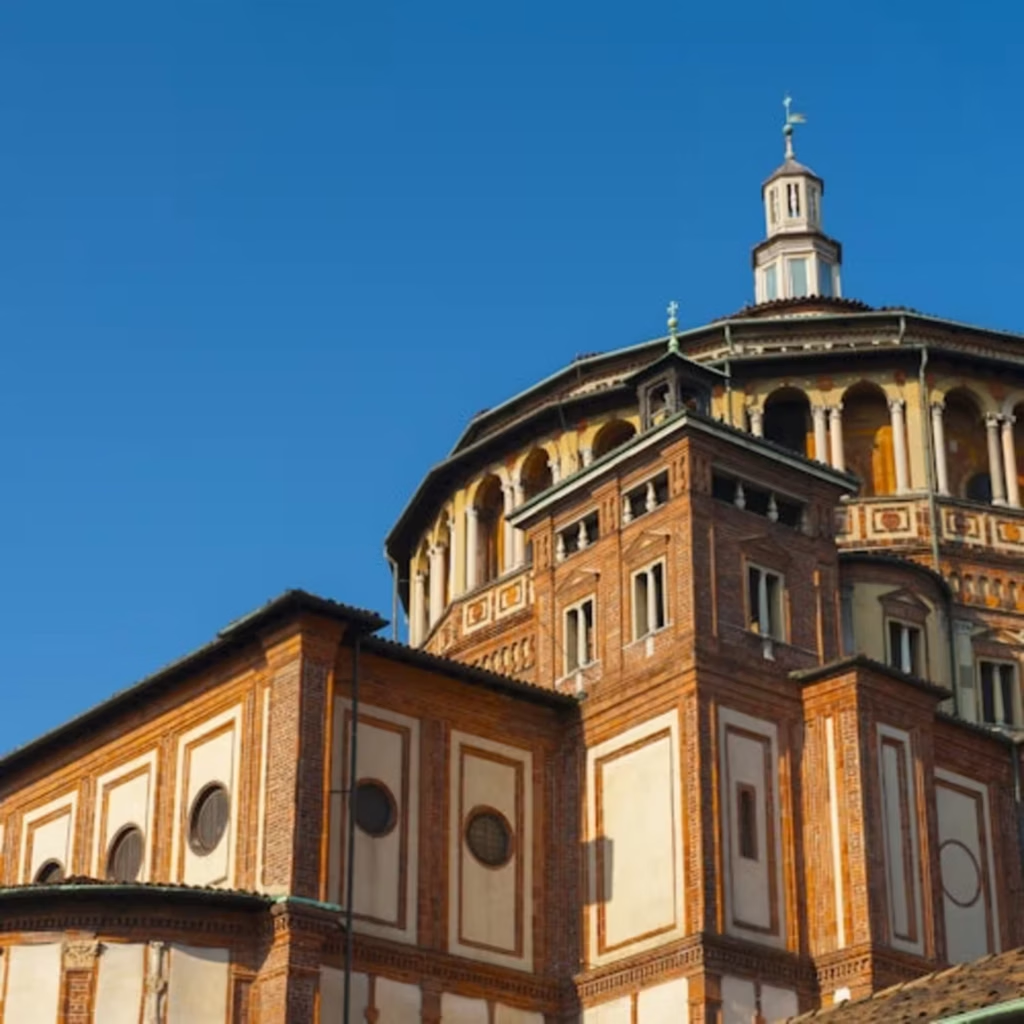
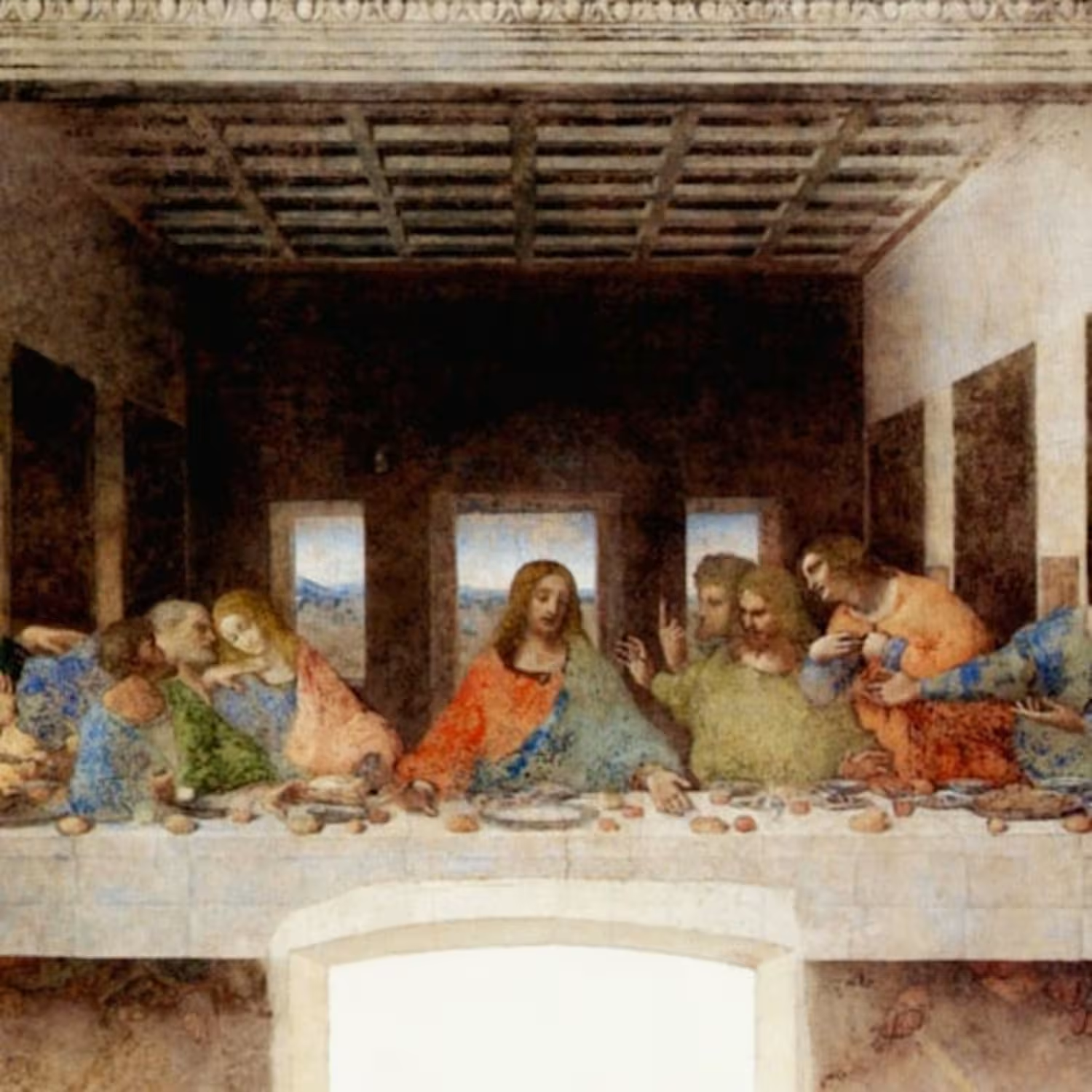
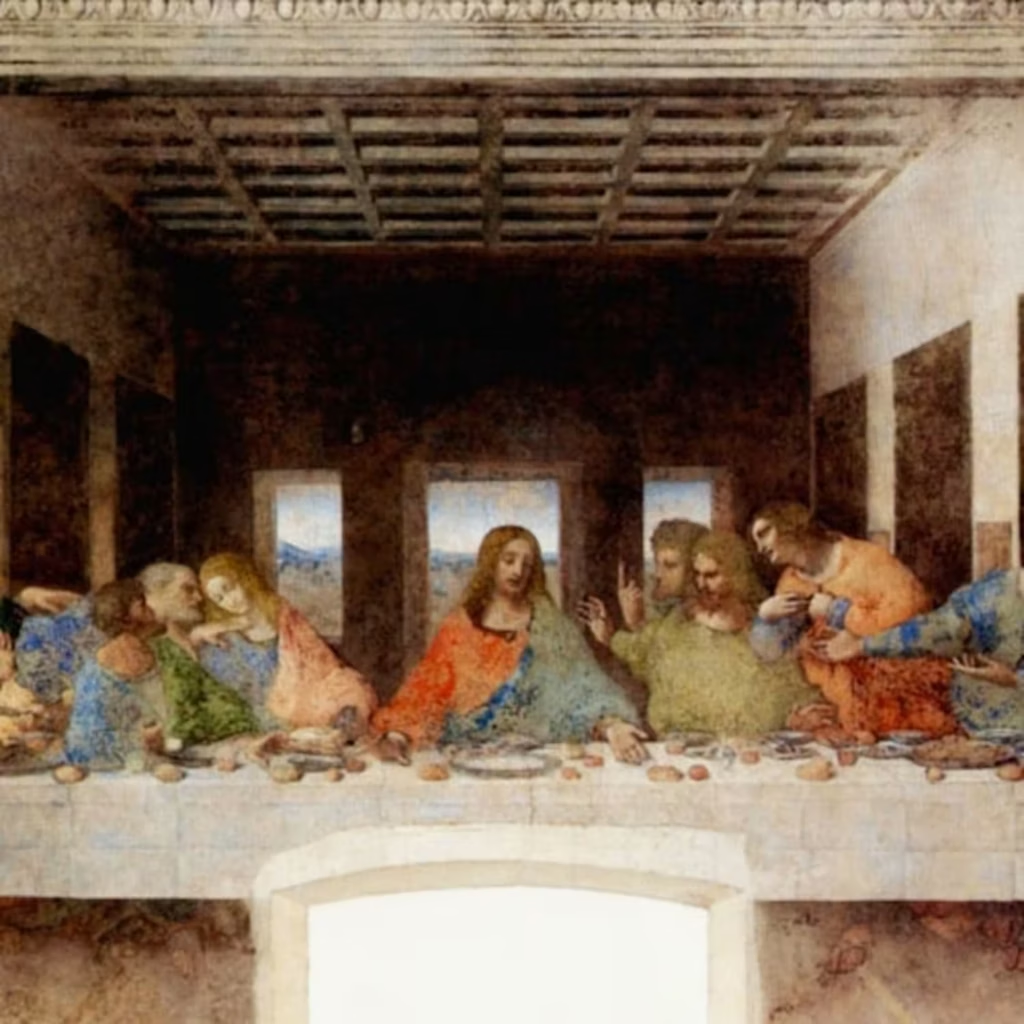
View Leonardo Da Vinci’s renowned artwork, The Last Supper, inside the Santa Maria delle Grazie church.

Enjoy comfortable transportation aboard an air-conditioned coach during the tour.
La Scala history: key facts

A fire destroyed Milan's earlier court theatre, the Teatro Regio Ducale, on 25 February 1776.

Empress Maria Theresa approved the plan for the new theatre in 1776, designed by architect Giuseppe Piermarini.

La Scala opened on 3 August 1778 with Antonio Salieri's Europa riconosciuta.

It is named after the church of Santa Maria della Scala, which was demolished to make room for it.

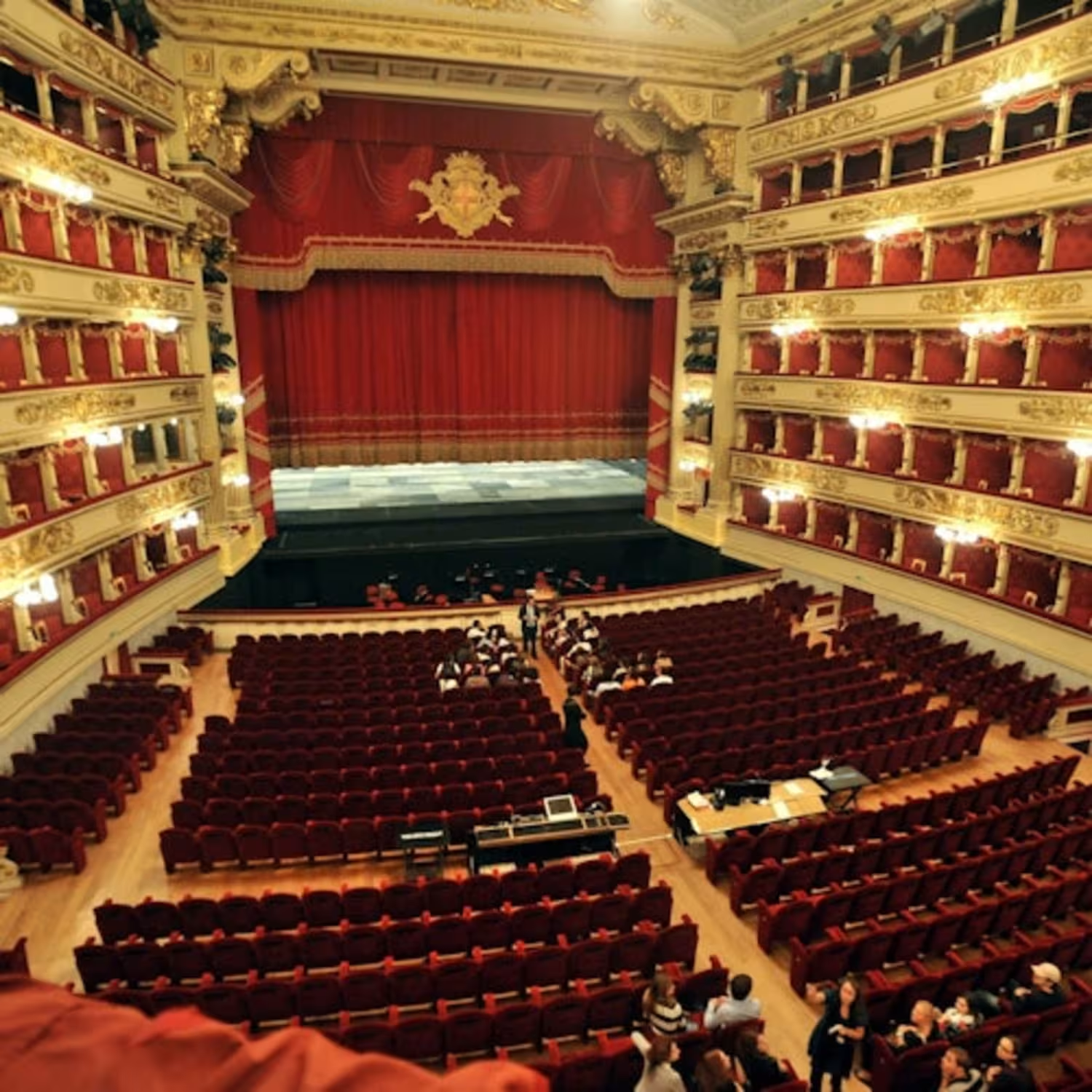
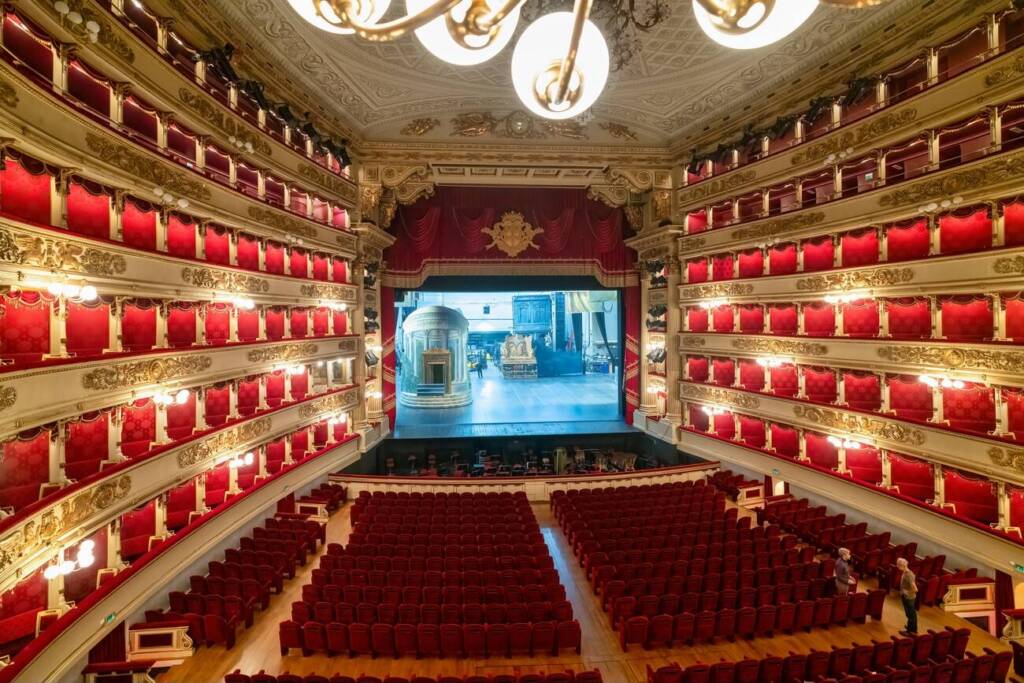
Six tiers of boxes rise above the stalls, topped by the gallery, the loggione.

Bombing in 1943 severely damaged the theatre; it reopened on 11 May 1946 with a concert conducted by Arturo Toscanini.

The season opens every year on 7 December, the feast of Saint Ambrose, Milan's patron saint.

1776 to 1778: a theatre born from a fire
Teatro alla Scala in Milan

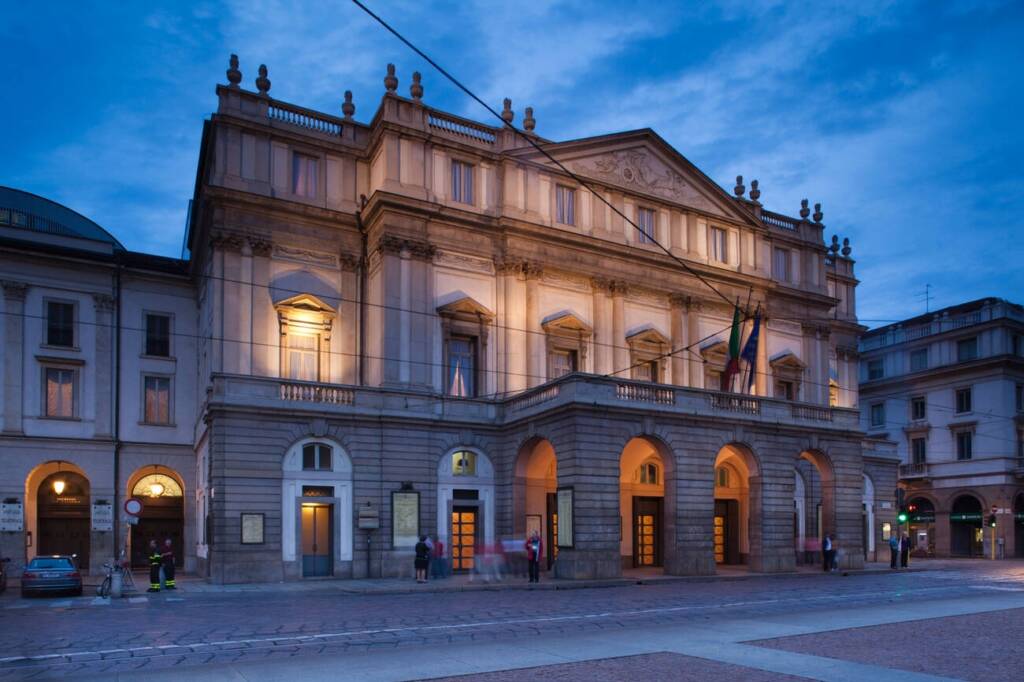
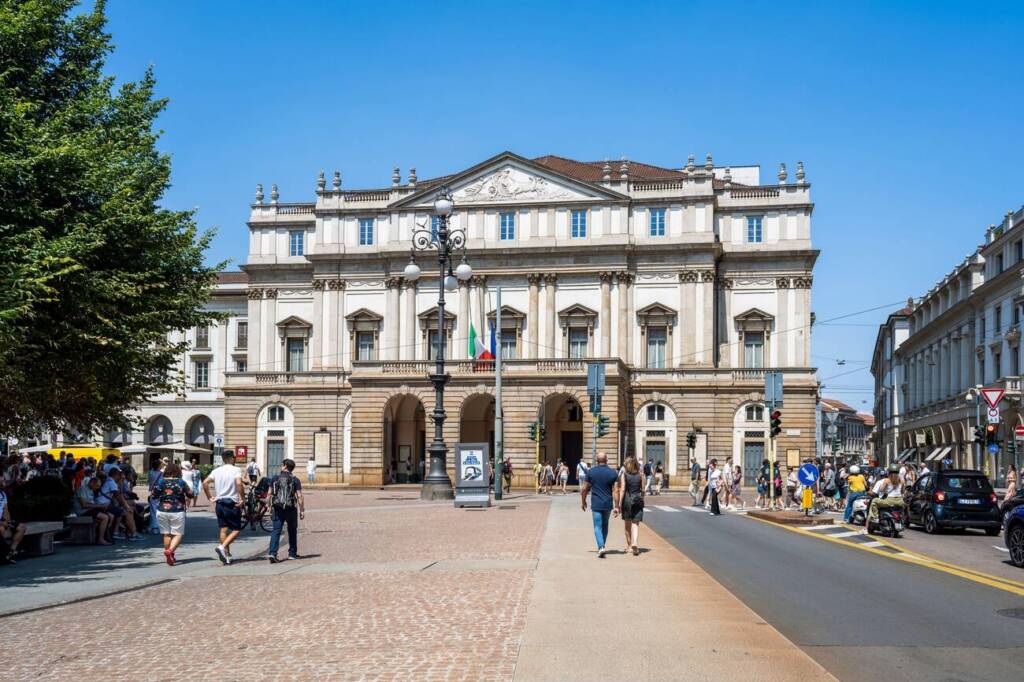
Before La Scala, Milan's opera lived in the Teatro Regio Ducale, a court theatre attached to the royal palace. On 25 February 1776, after a carnival gala, it burned down, and the project for a new theatre went to the architect Giuseppe Piermarini. His first design was turned down by Count Firmian, and a second plan was accepted in 1776 by Empress Maria Theresa, who ruled Milan at the time.

The site chosen was occupied by the church of Santa Maria della Scala. The church was deconsecrated and demolished, and the new theatre took its name. The house opened two years later, on 3 August 1778 with Europa riconosciuta, an opera by Antonio Salieri.

The horseshoe, the boxes and the loggione
Teatro alla Scala in Milan

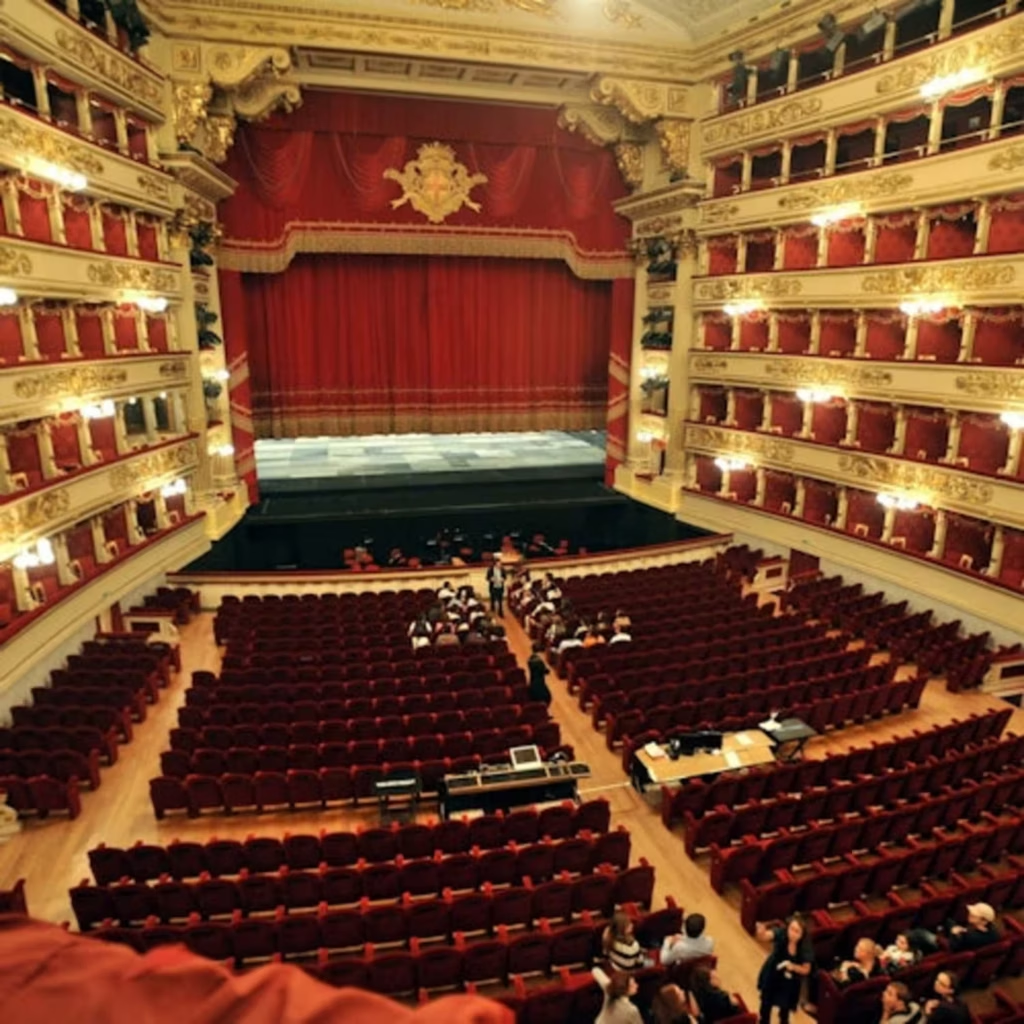
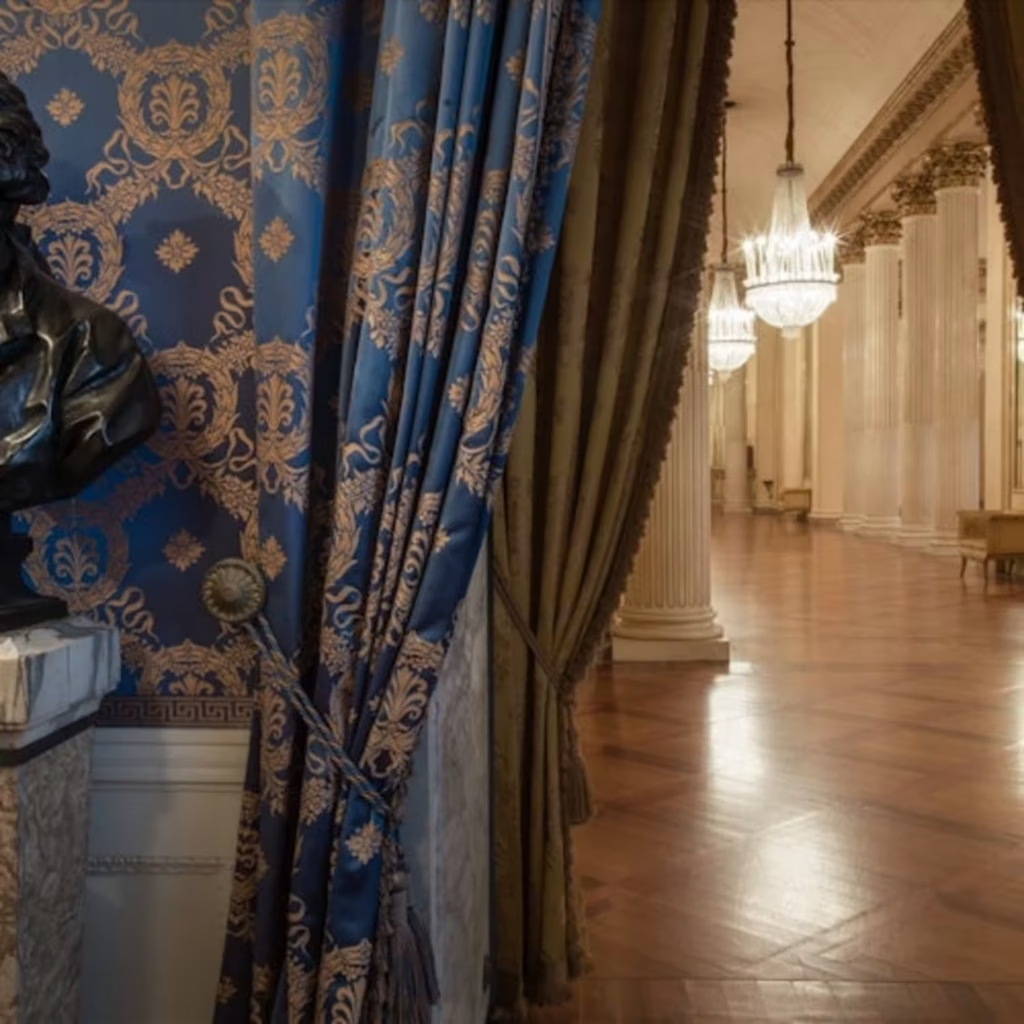
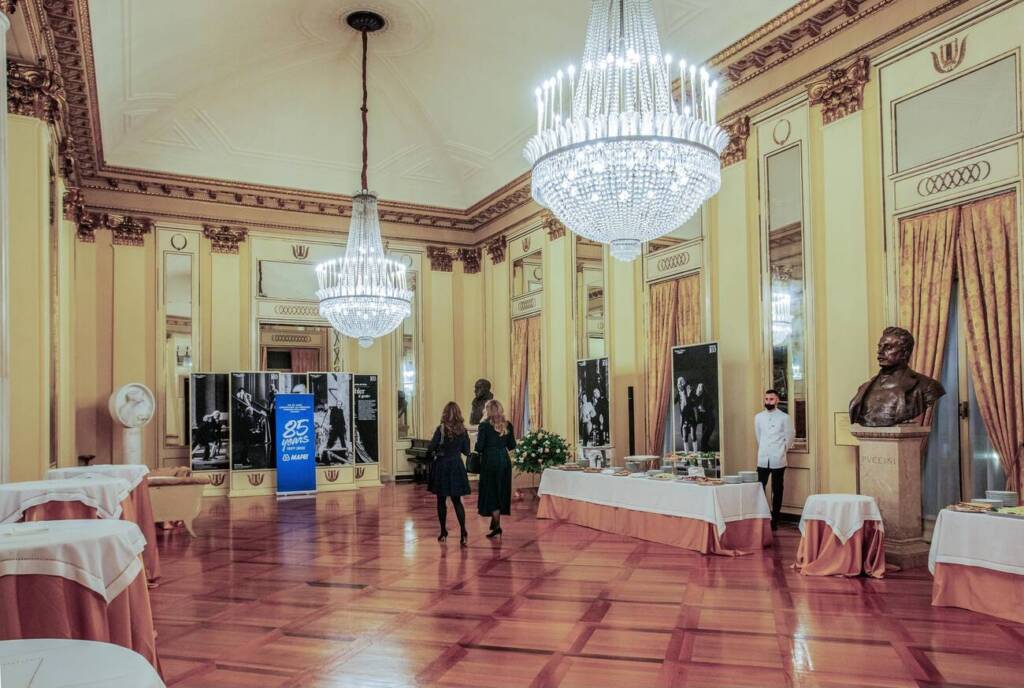
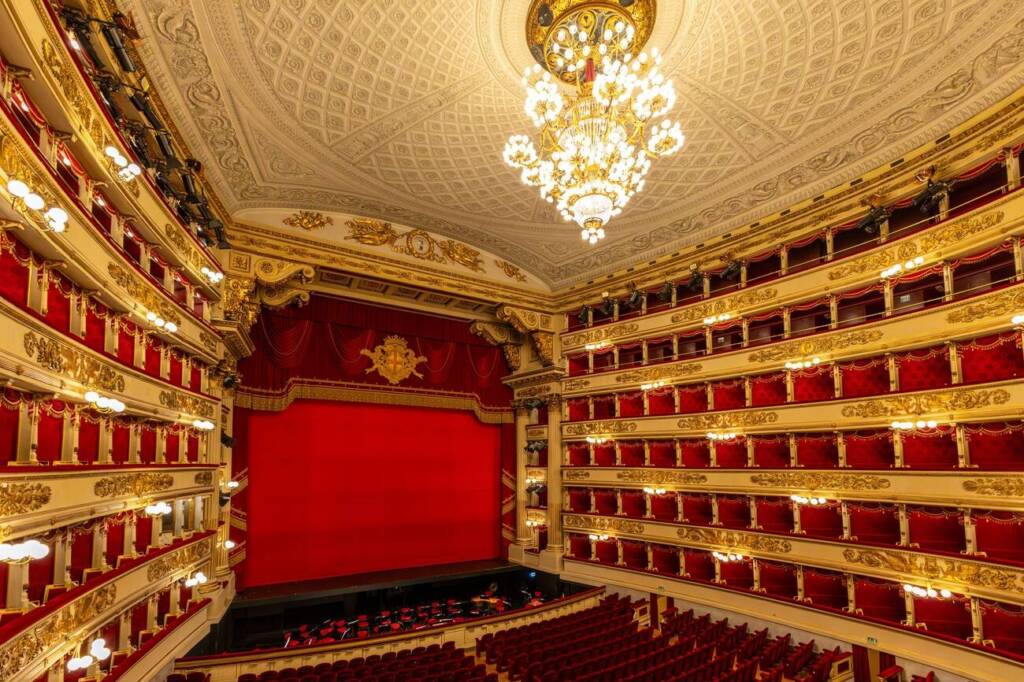
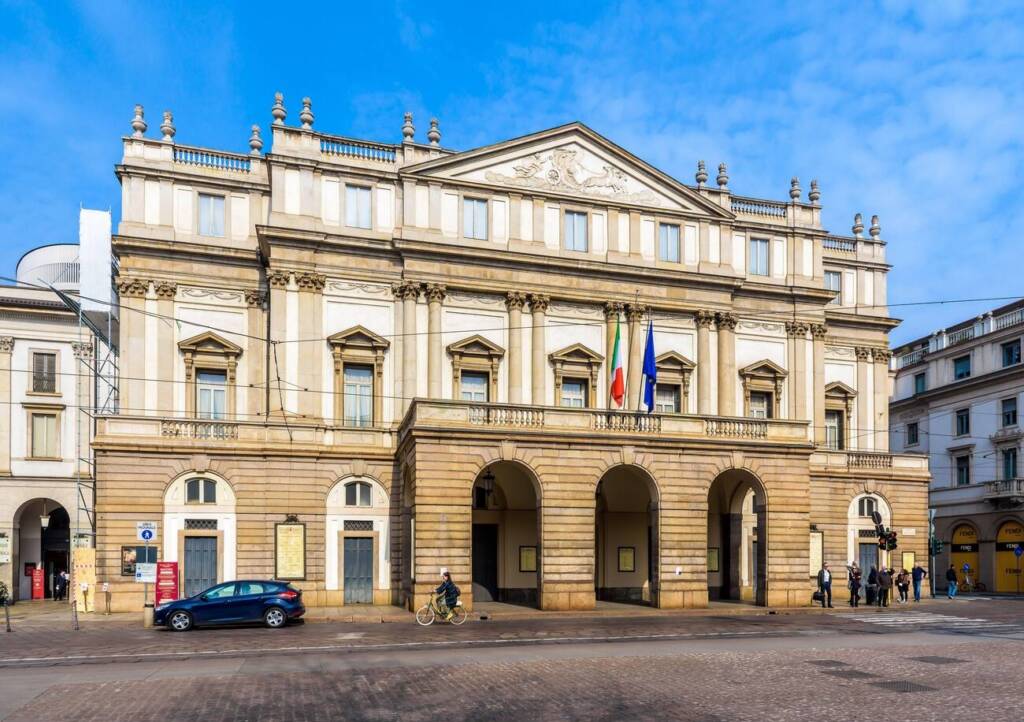
Piermarini's auditorium follows the classic Italian horseshoe. Above the stalls rise six tiers of boxes, and above them sits the gallery, known as the loggione, where those who could not afford a box watched the show. The life of the house went beyond the opera on stage: the museum still keeps some of the board games once played in the theatre's foyer.

The renovation of 1907 left the house with 1,987 seats. Today every seat has a small screen for the electronic libretto, which shows the words in English and Italian as well as the original language.

Verdi, Puccini and the great premieres
Teatro alla Scala in Milan

In the 19th and early 20th centuries, many landmark Italian operas had their first night here. Giuseppe Verdi's Nabucco had its first performance here in 1842, and Verdi returned at the end of his career with the premieres of Otello in 1887 and Falstaff in 1893.

Giacomo Puccini's Madama Butterfly opened at La Scala in 1904, and his last opera, Turandot, followed in 1926. Their link to this stage is one of the reasons the theatre holds the place it does in opera history.

1943 to 1946: bombed and rebuilt

Teatro alla Scala in Milan

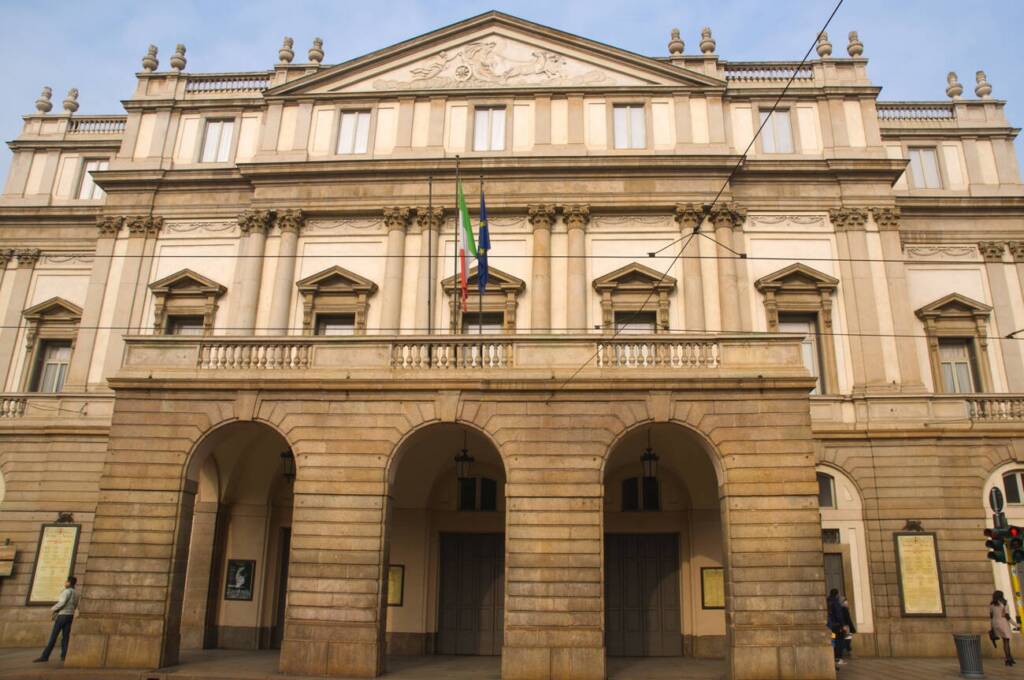
During the Second World War, bombing in 1943 severely damaged the theatre. It was rebuilt and reopened on 11 May 1946 with a concert conducted by Arturo Toscanini, with a soprano solo by the young Renata Tebaldi.

From then on the season settled into the pattern it keeps today: it opens every year on 7 December, the feast of Saint Ambrose, Milan's patron saint.

2002 to 2004: Mario Botta's renovation
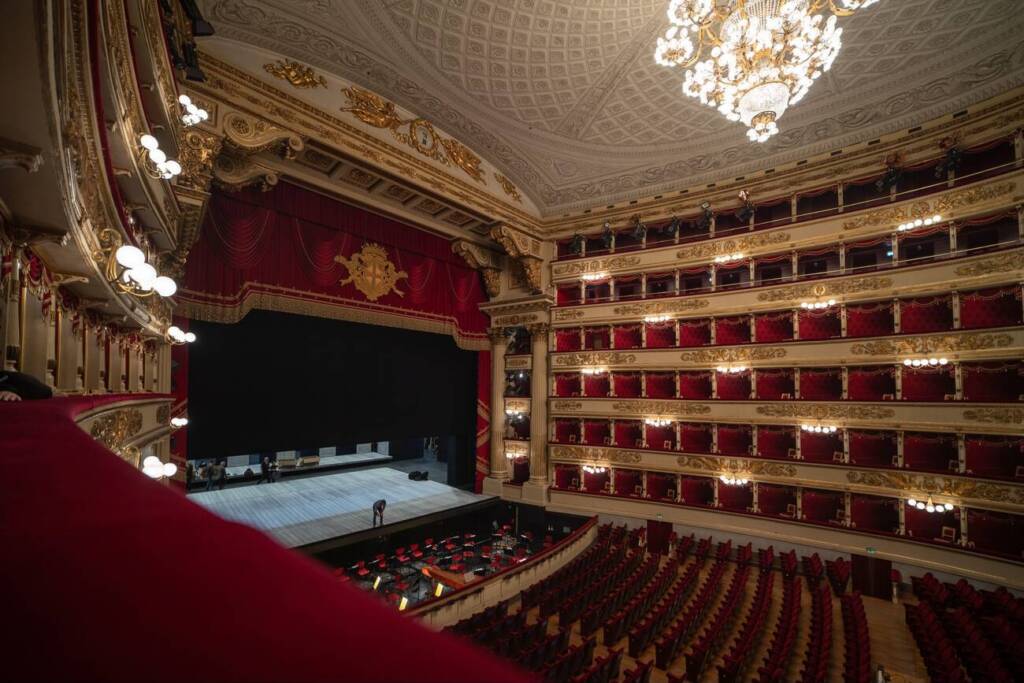
Teatro alla Scala in Milan

At the start of the 21st century the theatre closed for a major renovation led by the Swiss architect Mario Botta, from 2002 to 2004. While the works went on, the opera company performed at the Teatro degli Arcimboldi.

La Scala reopened on 7 December 2004 with the same opera that had opened it in 1778, Salieri's Europa riconosciuta, conducted by Riccardo Muti. Choosing that work tied the renovated theatre back to its first night, more than two centuries earlier.

Know before you go

Museum hours: every day from 9:30 a.m. to 5:30 p.m., last admission 5:00 p.m. On 24 and 31 December it closes at 3:00 p.m. (last admission 2:30 p.m.).

Closed: 7, 25 and 26 December, 1 January, Easter, 1 May and 15 August.

The auditorium: the view from the boxes depends on the theatre's schedule and is not possible during rehearsals, performances or public events.

Where: the museum entrance is at Largo Ghiringhelli 1, on Piazza della Scala.

Combining sights: the Duomo and the Galleria Vittorio Emanuele II are a short walk away; one of our tickets combines La Scala with the Duomo and The Last Supper.

Booking: check what's included and the time slots shown for your date when you book.

See the history for yourself

Two and a half centuries of opera are told in a single building on Piazza della Scala. Check the museum hours for your date and book your La Scala guided tour in advance; the Duomo is a few minutes away on foot, and so is the Leonardo3 Museum.

La Scala history: frequently asked questions

When was La Scala built?

La Scala opened on 3 August 1778. It was built after a fire destroyed Milan's earlier court theatre, the Teatro Regio Ducale, on 25 February 1776.

Who designed La Scala?

The architect Giuseppe Piermarini. His second plan for the theatre was accepted in 1776 by Empress Maria Theresa.

Why is it called La Scala?

It stands on the site of the church of Santa Maria della Scala, which was deconsecrated and demolished to make room for the theatre and gave it its name.

What was the first opera performed at La Scala?

Antonio Salieri's Europa riconosciuta, on the opening night of 3 August 1778. The same opera reopened the theatre on 7 December 2004.

Which famous operas premiered at La Scala?

Verdi's Nabucco (1842), Otello (1887) and Falstaff (1893), and Puccini's Madama Butterfly (1904) and Turandot (1926), among others.

Was La Scala destroyed in World War II?

Bombing in 1943 severely damaged it. The theatre was rebuilt and reopened on 11 May 1946 with a concert conducted by Arturo Toscanini.

Why does La Scala's season open on 7 December?

7 December is the feast of Saint Ambrose, Milan's patron saint, and the theatre opens its season on that date every year.

What is the loggione?

It is the gallery above the six tiers of boxes, traditionally the seats of those who could not afford a box.

Who restored La Scala?

The Swiss architect Mario Botta led a major renovation from 2002 to 2004. During the works the company performed at the Teatro degli Arcimboldi.

When did the La Scala museum open?

The Museo Teatrale alla Scala opened on 8 March 1913, built around a private collection bought at auction in 1911.

Can you see the auditorium on a visit?

Yes, from the boxes, as long as there are no rehearsals, performances or public events taking place at that time.

About this guide

Sources: Teatro alla Scala, Museo Teatrale alla Scala, Tickets and opening times; Wikipedia, La Scala; Wikipedia, Museo Teatrale alla Scala.

This website offers official tickets for the venues listed, sold by Tourism Tickets. Please note, however, that it is not the official website of any of these venues.

The images and videos on this website may contain visual elements that have been created or enhanced using AI technology. They are provided for illustrative purposes only.